
The Russian ukase of 1869: Skała and Wolbrom
Towns of Lesser Poland lost their town rights in two large waves, in two different states and for different reasons. Wikipedia notes that the reasons for demotion were mainly economic, because the settlements were small and their inhabitants lived from farming, and sometimes political, for example after the January Uprising.
The first wave concerned the Russian partition. A ukase to the Governing Senate of 1 (13) June 1869 deprived 336 towns of the Kingdom of Poland of their town rights. The lists of towns were announced in twenty decisions, issued between 29 October 1869 and 12 November 1870, and took effect in stages from 13 January 1870 to 1 February 1871. This is why descriptions of one town give the year 1869 and descriptions of another 1870, although the same reform is meant.
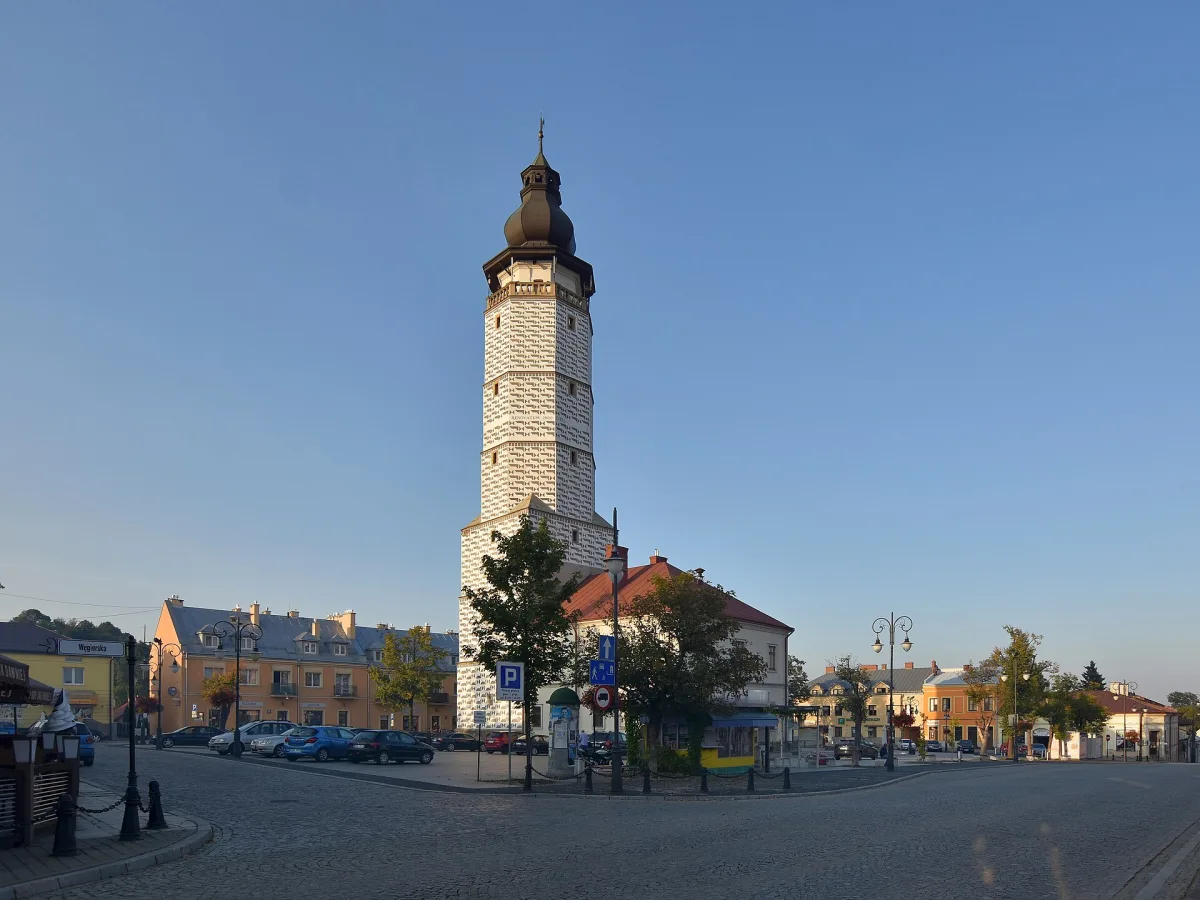
In today's Lesser Poland its effects were felt by, among others, Skała, Wolbrom, Proszowice and Słomniki. Skała, according to its entry chartered on 10 November 1267 on the initiative of the Poor Clare Salomea, lost its town rights in 1870, and the seat of the municipality was moved to the nearby village of Minoga. In the 19th century the town was losing importance, among other reasons because the state border separated it from Kraków, with which it had centuries-old trading relations. Wolbrom, chartered in 1327, lost its rights in 1869, according to one Wikipedia entry on 13 January 1870.
The return to town status took varying lengths of time. Wolbrom regained it according to Wikipedia in 1930, Proszowice in 1923, and Słomniki in 1917. Skała waited the longest: in 1987 a resolution of the Council of State of the Polish People's Republic granted it town status again, more than a hundred years after the demotion.
Galicia and the reform of 1933-1934
In Galicia, and after 1918 in the southern voivodeships, the word "town" was less unambiguous than it is today. An urban municipality could have the status of a town (miasto), a small town (miasteczko), and in a few cases was even a village. The division was decided by the acts of 1889 and 1896. A list in Wikipedia describes that the act on partial change of the system of local government of 1933 provided for abolishing towns of fewer than three thousand inhabitants, and the act of 1896 ceased to apply as of July 1934. Some small localities were saved by individual regulations that recognised them as towns. The rest lost the status of urban municipalities and became rural municipalities.
Among the Lesser Poland localities that, according to this list, lost that status are Wojnicz, Ciężkowice, Wiśnicz Nowy, Uście Solne, Lanckorona, Czarny Dunajec, Alwernia, Bobowa and Lipnica Murowana. As can be seen, this was not a reform affecting only the smallest settlements. Some of them had a centuries-old urban tradition.
Wojnicz is among the oldest centres of Lesser Poland: the seat of a former castellany, according to its entry it held town rights in 1278-1934. Not all passages of the same entry give the date of loss in the same way, however. The list of localities deprived of town rights ties the change to 1 August 1934, and the chronicle in the entry on Wojnicz gives 1 April 1935. It regained its rights on 1 January 2007.
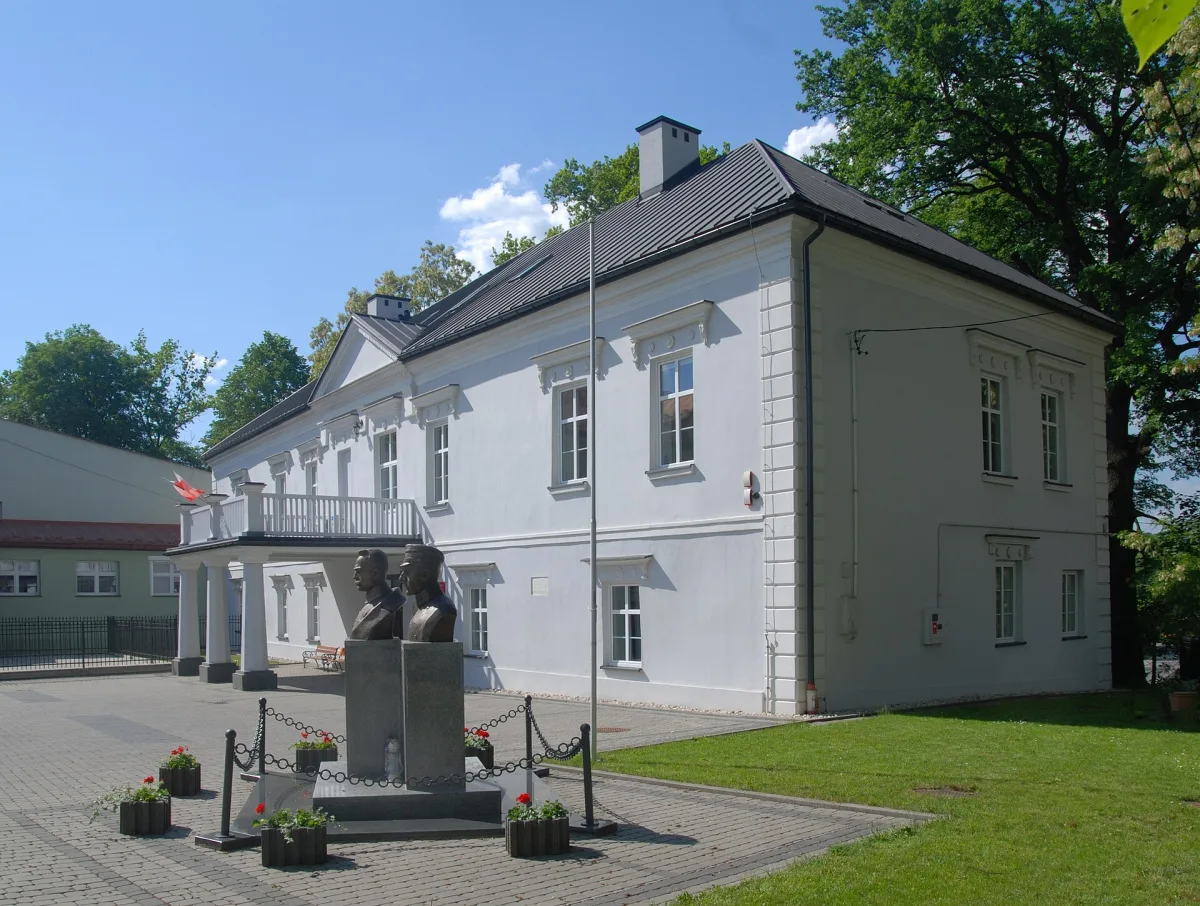
Bobowa, according to its entry a town in 1339-1934, was then a village until the end of 2008, and on 1 January 2009 it regained town status. In Bobowa stand, among others, the Długoszowski Manor House, called the castle in the town, and the synagogue in Bobowa.
Who regained it and who did not
Of the localities that lost urban status in 1934, some returned to it after years: Alwernia in 1993, Wiśnicz Nowy in 1994, Ciężkowice in 2000, Wojnicz in 2007, Bobowa in 2009, and Czarny Dunajec in 2023. All these dates come from a single list and it is worth treating them as the state of affairs on the day it was compiled.
Lipnica Murowana is an example of a locality that has not returned. It was chartered in 1326 by Władysław the Elbow-high, and in 1370 Queen Elizabeth, daughter of Władysław the Elbow-high, granted it Magdeburg law. For centuries it was a royal town in Sącz County, and according to its entry it held town rights in 1326-1934. Today it is a village, the seat of a municipality. In neighbouring Lipnica Dolna stands the Ledóchowski Manor House, where the later St Ursula and Blessed Maria Teresa lived.
The histories of these localities show that town rights in Lesser Poland were not granted once and for all. Many towns lost them and regained them depending on the governments, the law and the administrative policy of the state in which they happened to be.
Be the first! Add a comment.
You need to log in to add a comment.
Log in