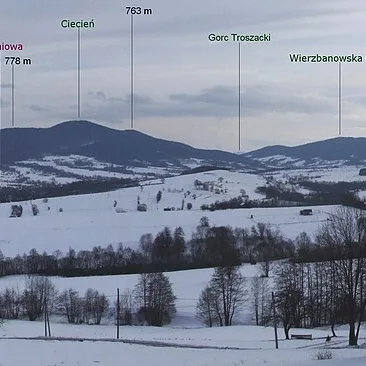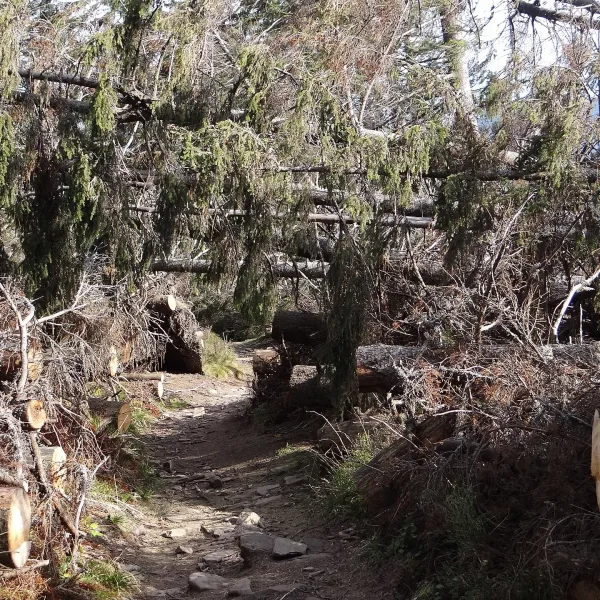
a forest reserve of natural spruce forest in the Polica Range, with views from the trail
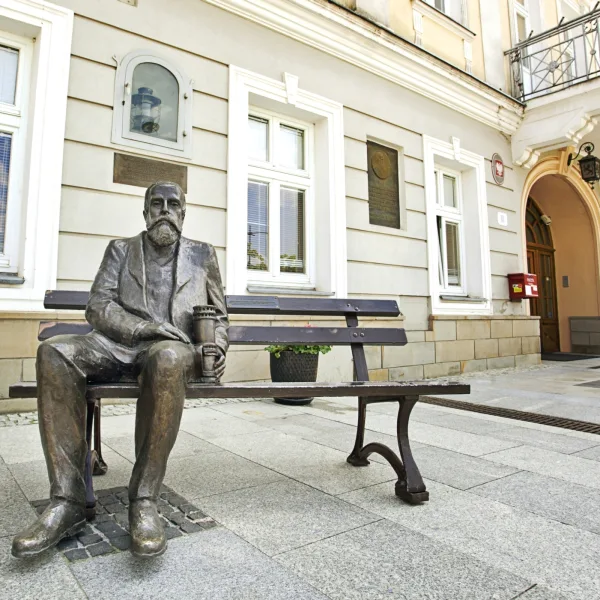
a bronze bench with the inventor of the kerosene lamp on Gorlice's Market Square
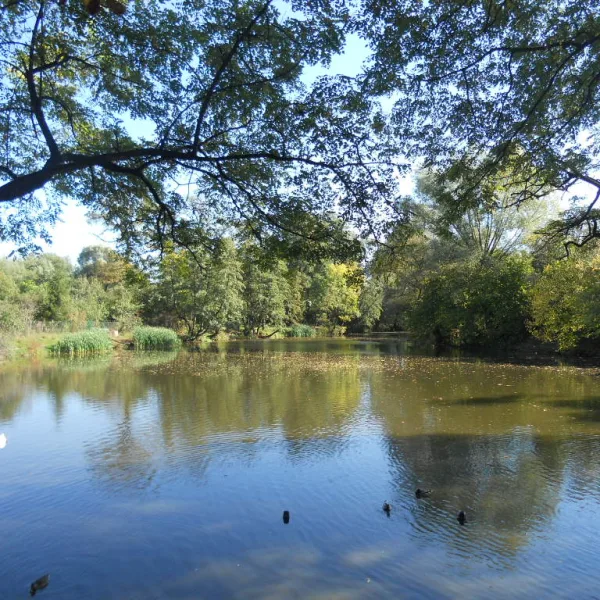
an ecological site with ten horse chestnuts that are natural monuments, by the Dłubnia in Bieńczyce
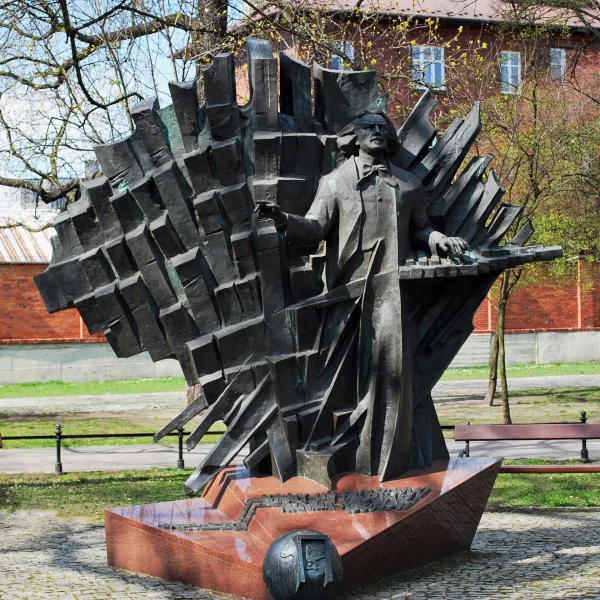
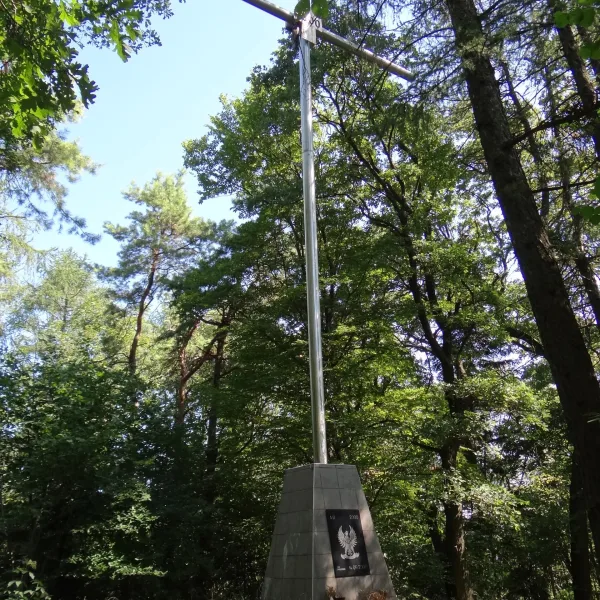
a monument to the composer with a stave of “Hej, Orle Biały”, a gift of the Fowler Brotherhood from 2010
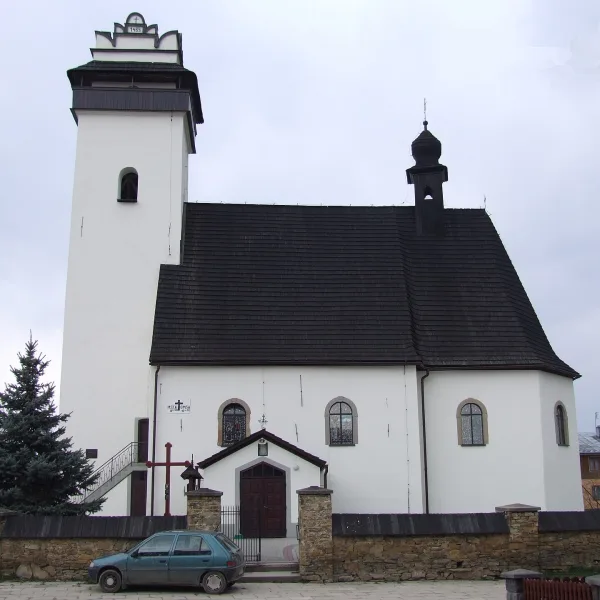
a 16th-century Spiš church with a wooden hourd, Gothic-Renaissance, with a Rococo interior
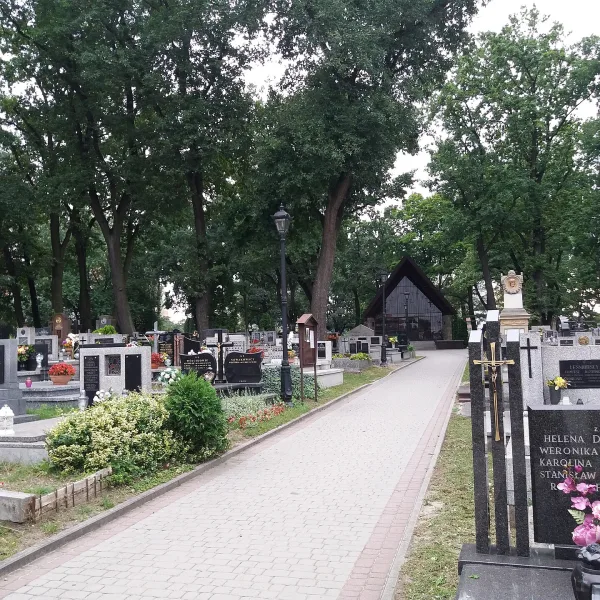
an active parish cemetery from 1807, with a chapel and three historic gravestones
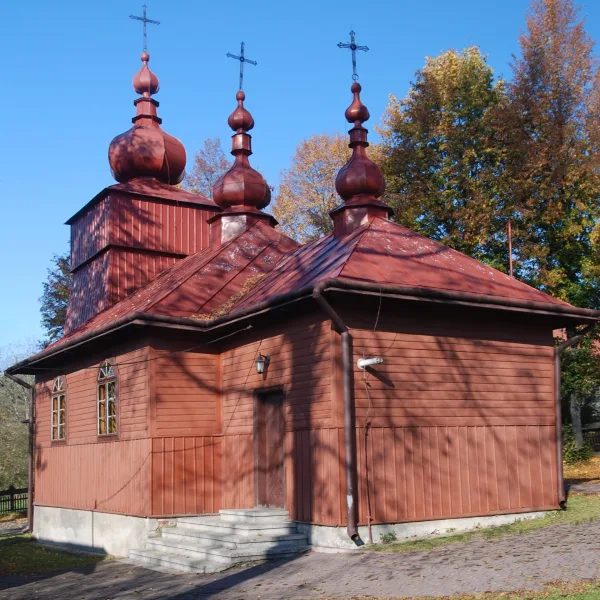
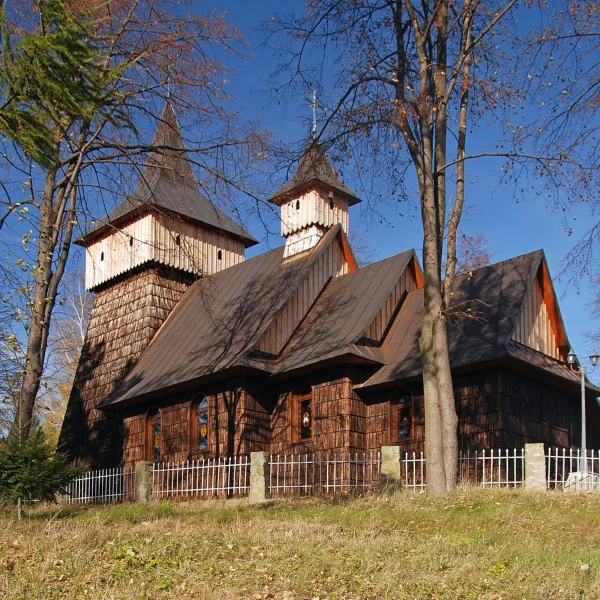
a wooden tserkva from 1935-1950 in the West Lemko style, today a filial church
a wooden tserkva from 1805, moved from Kamianna, today a parish church
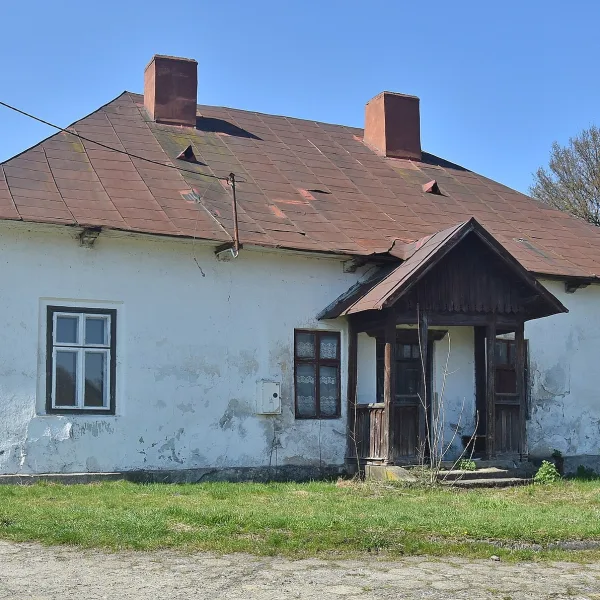
one of the oldest manor houses in the Gorlice region, owned by Biecz municipality, awaiting renovation
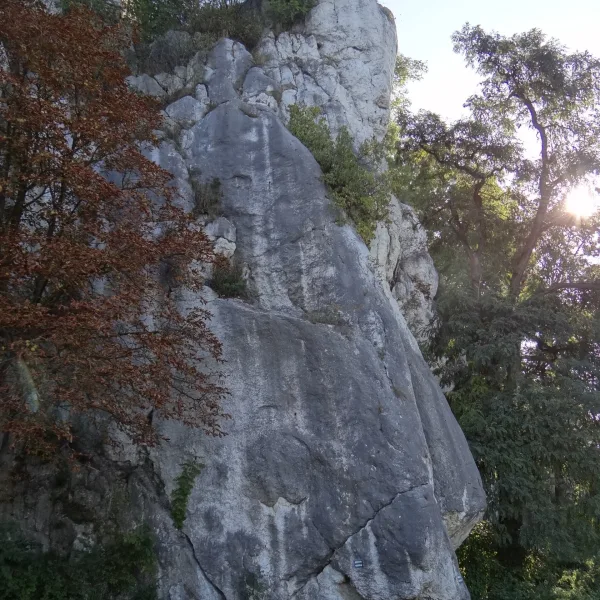
limestone rocks beneath the abbey in Tyniec and blocks from the earthquake of 1786
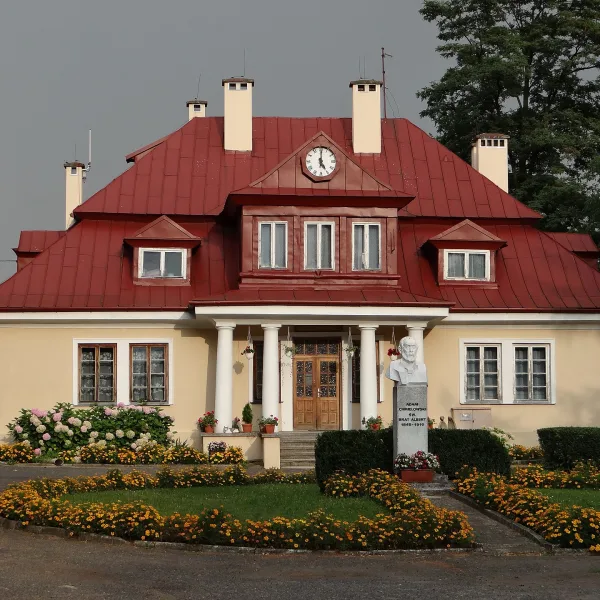
Woźniakowski manor house with a four-column porch, a care home since 1952
small Austrian war cemetery from 1914 among the fields of Cichawa
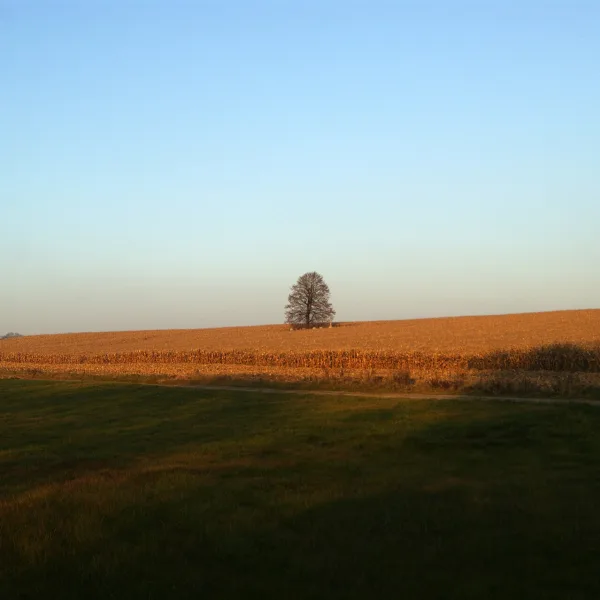
a grassy, stony summit in Bodzów above the Vistula valley, in Kraków's Dębniki
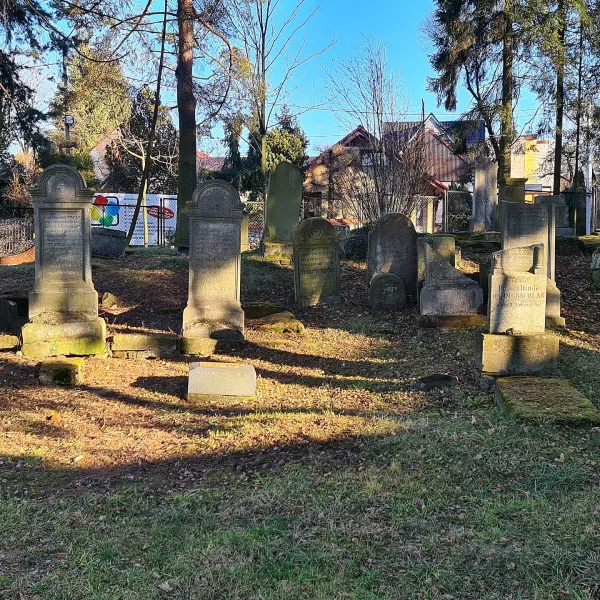
unfenced Jewish cemetery on ul. Szewska with about 25 surviving gravestones
19th-century Jewish cemetery with about 400 surviving matzevot in the Sącz Beskids
necropolis from 1875 with about forty matzevot and a plaque at the mass grave of victims
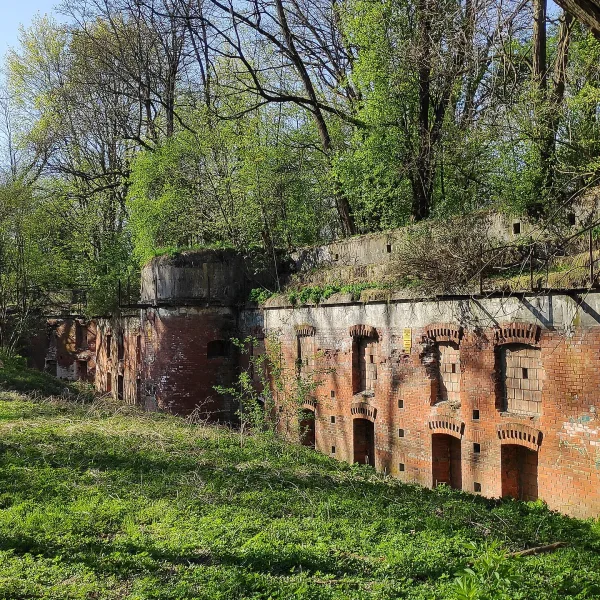
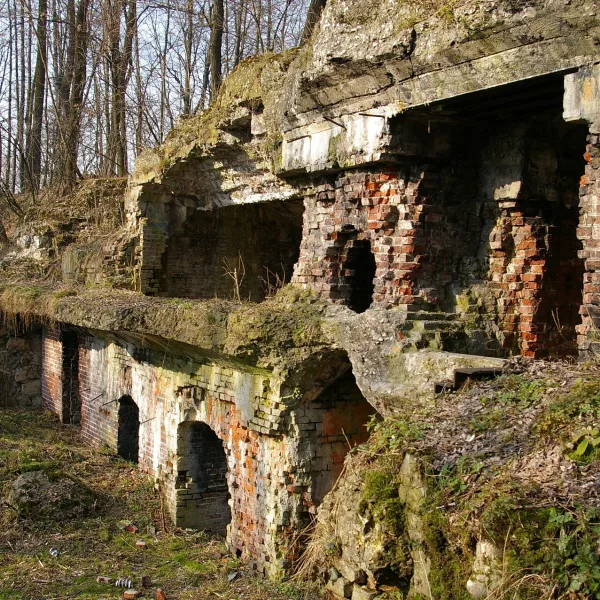
devastated Kraków Fortress fort from 1895-1897 in a copse above the Bibiczanka
the ruin of a small armoured fort of the Kraków Fortress from 1895-1897 by Batowice Cemetery
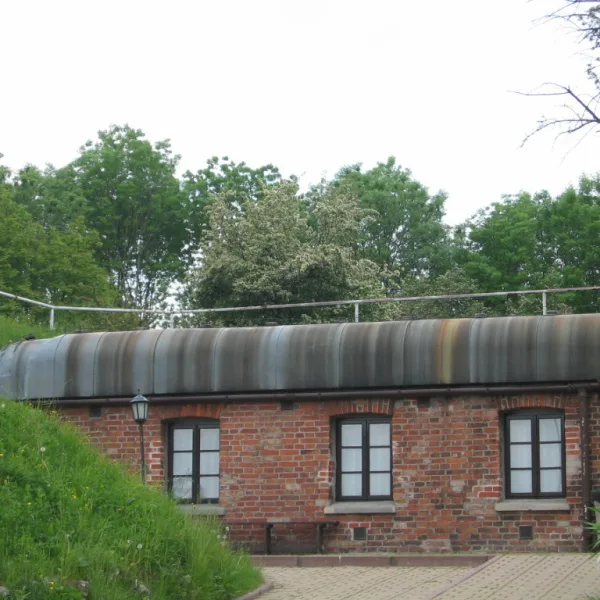
a fort of the Kraków Fortress from 1884-1885, rebuilt in 1913, entered in the heritage register
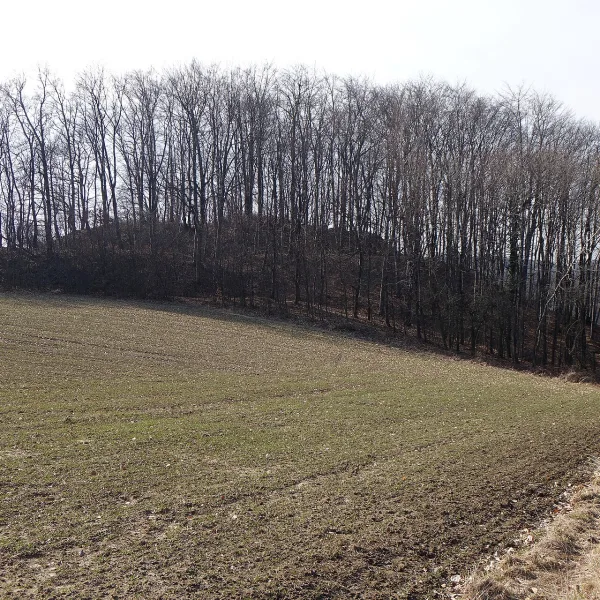
the remains of an early medieval Vistulan stronghold with a moat and ramparts on the highest rock of the Upland
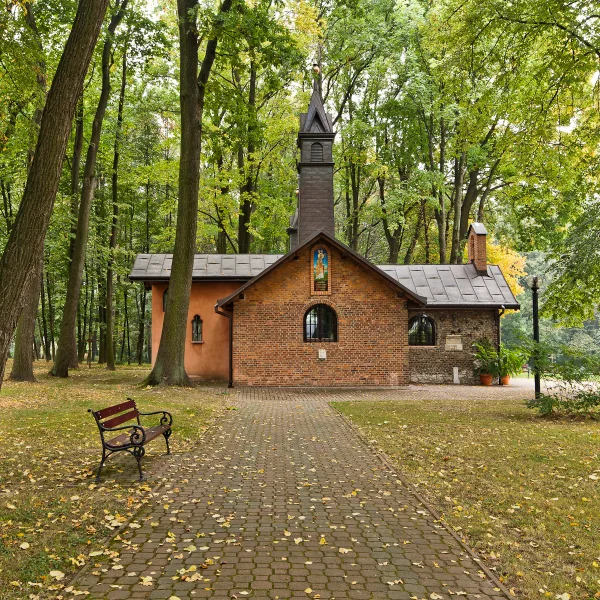
Romantic chapel from 1875 with a lapidarium on its walls, in the former Potocki park
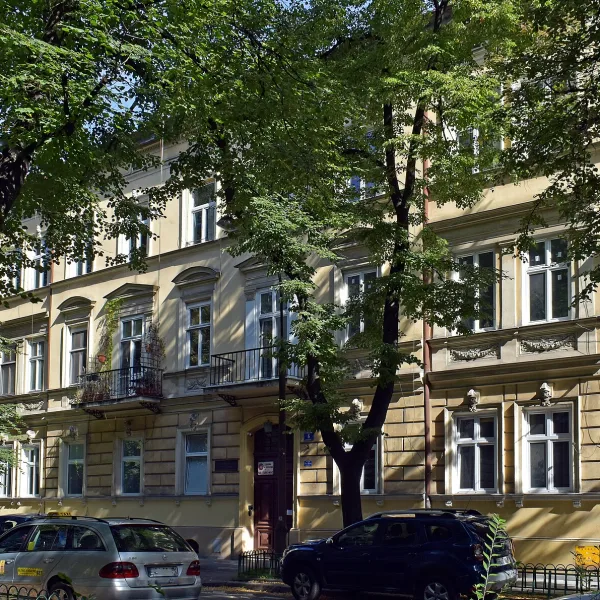
a tenement house from 1882-1890 in Stradom, where Czesław Miłosz lived