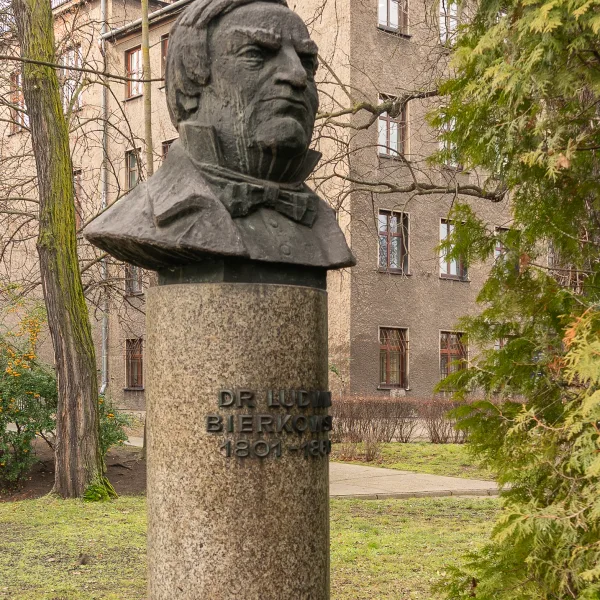
a bronze bust of a 19th-century surgeon in front of the Collegium Medicum on Kopernika Street
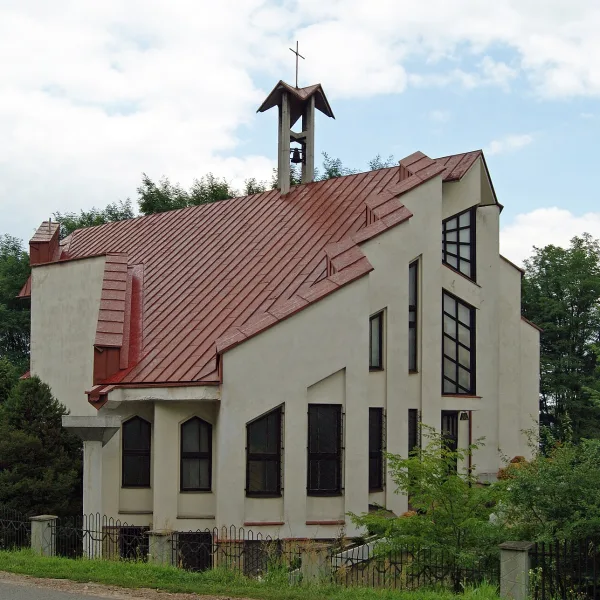
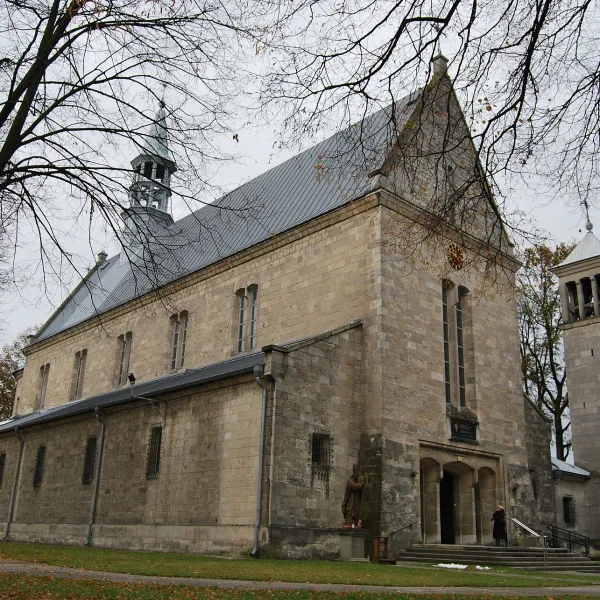
postmodernist church from 1986-1990 in Tyniec, run by the Benedictines
a brick church from 1946-1952 with a separate bell tower and an organ with eleven stops
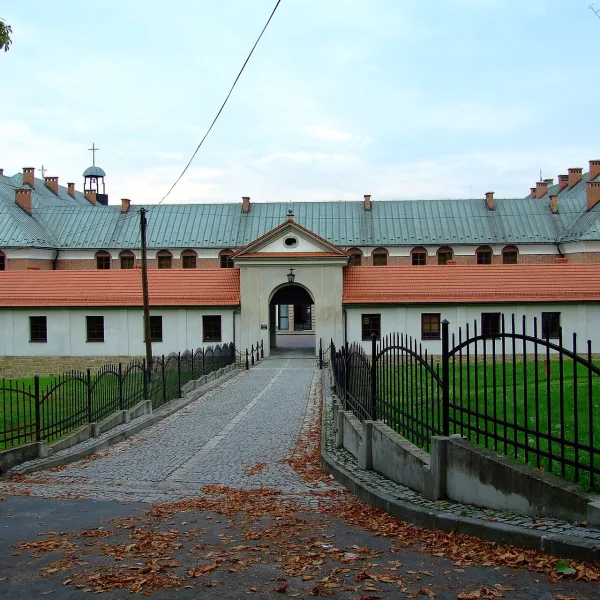
18th-century palace demolished in 1871, of which an outbuilding with a gate and a moat remain
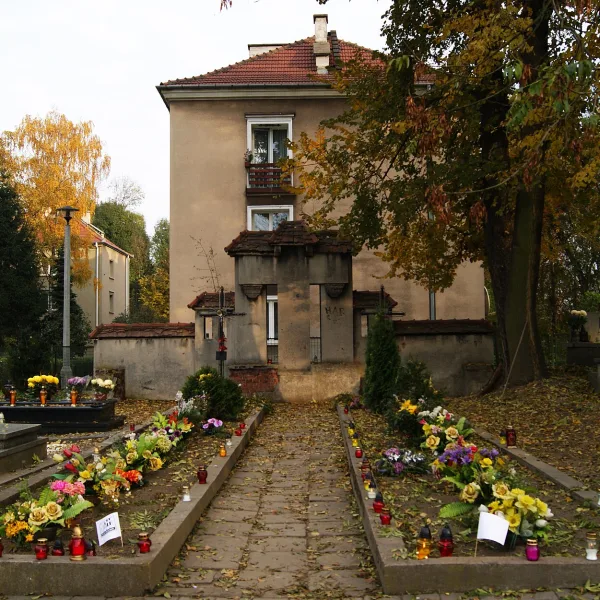
a parish cemetery on the Wandy estate, with 19th-century graves and a First World War military cemetery
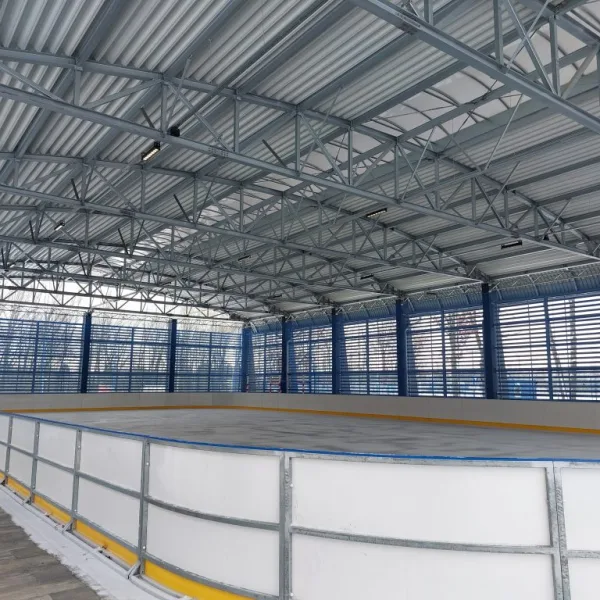
a covered ice surface in Mościce divided into two sectors, open in the winter season
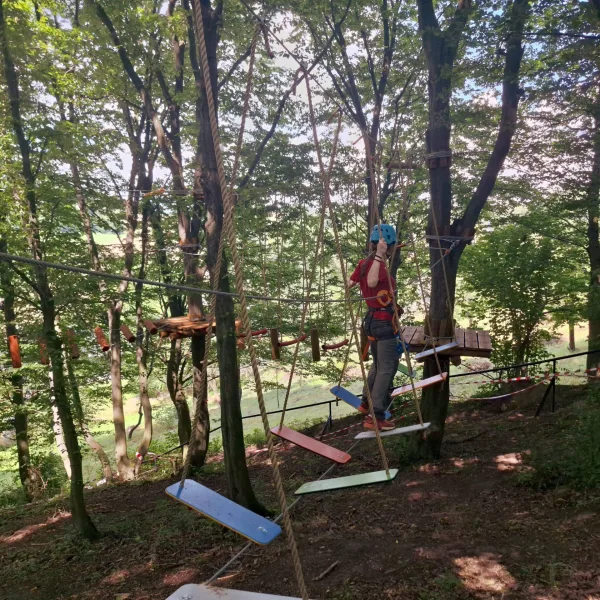
a rope park by the Upper Wierzchowska Cave with a course for children and adults and zip lines
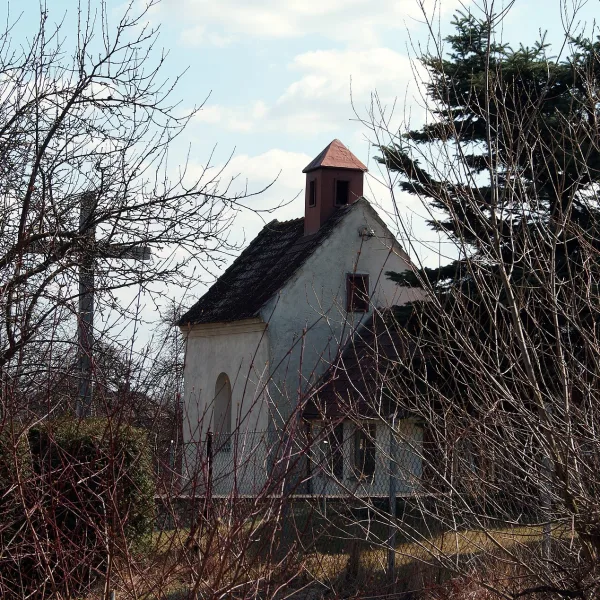
a chapel from 1637 with a Renaissance altar of St Dorothy from Wawel Cathedral
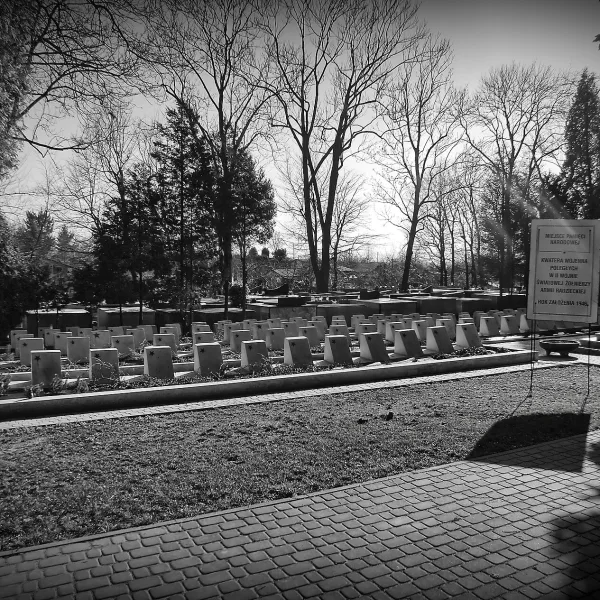
a municipal cemetery from 1928 with war plots, in two parts on Krzyska Street
a chapel from 1942 on the upper floor of a community hall, formerly in the parish of Maniowy
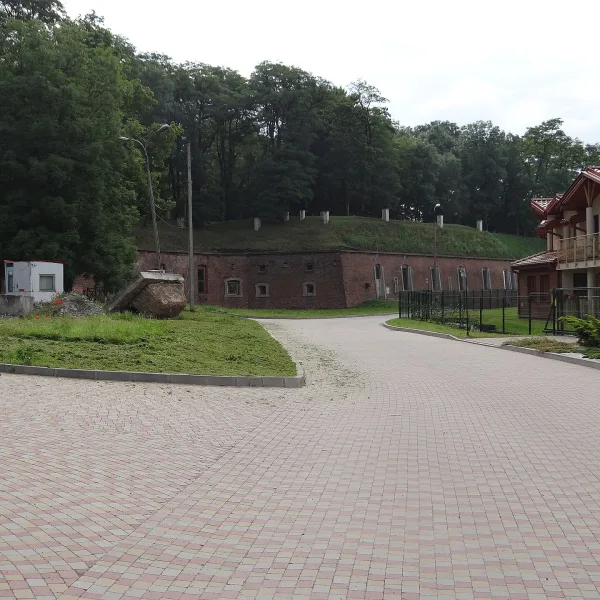
an earth-and-timber fort of the Kraków Fortress from 1884-1885, with surviving earthen ramparts
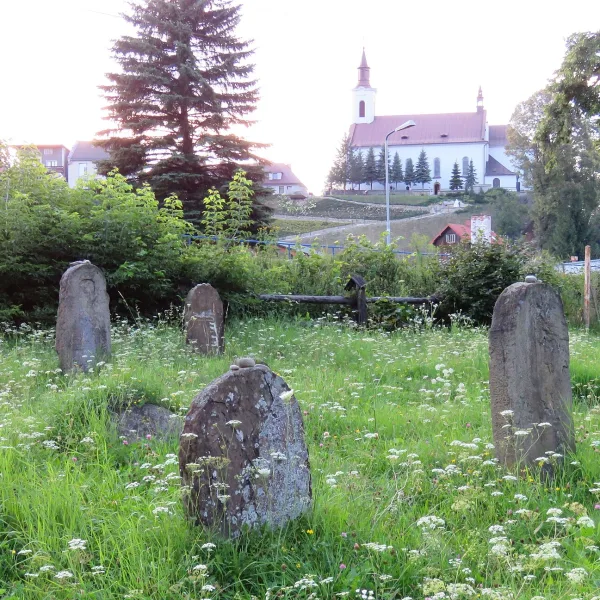
a Jewish cemetery (kirkut) from 1882 with a pre-burial house and a mass grave of victims of the liquidation of the ghetto
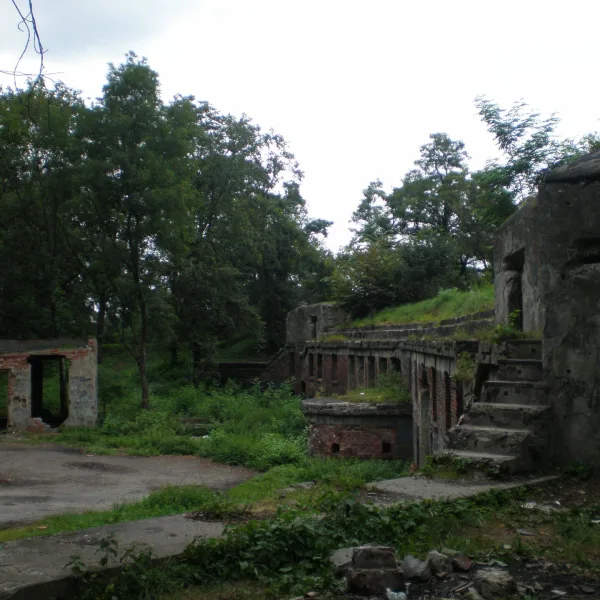
a fort of the Kraków Fortress from 1884-1886, with surviving drawings of guns made by Austrian soldiers
the only brick artillery fort of the Kraków Fortress, closed to visitors
a floristic reserve with Carpathian beech forest and fruiting ivy in the Wiśnicz Foothills
a small Jewish cemetery on Nad Popradem Street with an interwar pre-burial house
an armoured fort of the Kraków Fortress from 1899, called a water fort because of its moats filled with Vistula water
a 2.61 ha steppe reserve on a chalk slope near Klonów, established in 1955
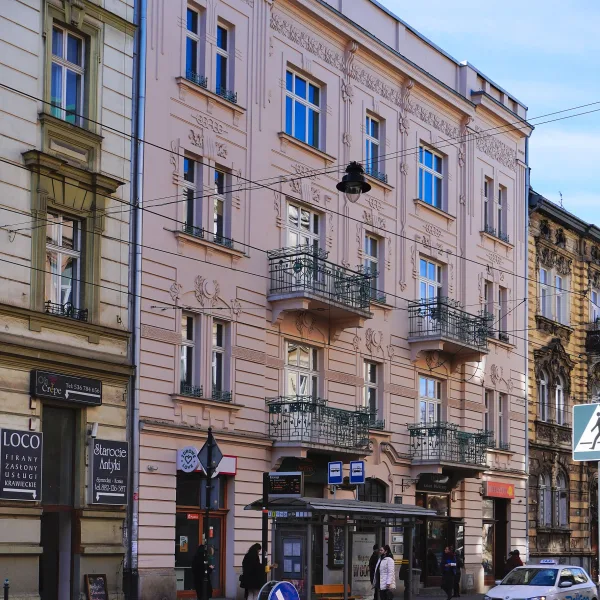
an Art Nouveau tenement house from 1910-1911 with a listed façade and floral stained glass in the staircase
a forest reserve near Książ Wielki with rich herbaceous vegetation and xerothermic species
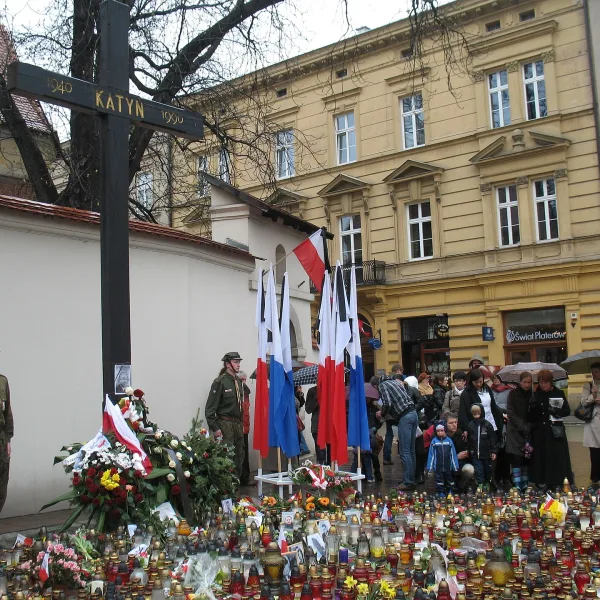
a wooden cross from 1990 at the foot of Wawel Hill, commemorating the victims of the Katyn massacre
a neoclassical palace in whose salon Wyspiański read excerpts of “The Wedding”
a brick church from 1946-1948, a votive offering of thanks for the village being spared during the war
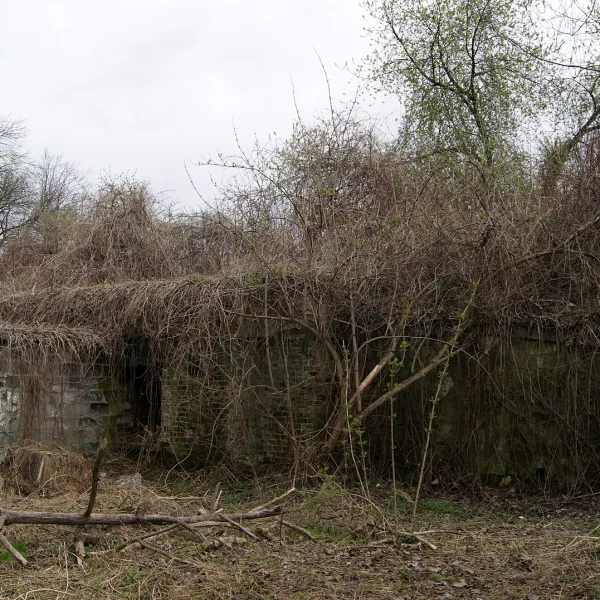
a stone-and-brick shelter from 1913-1914 by the Dłubnia, a former element of the Austrian Kraków Fortress