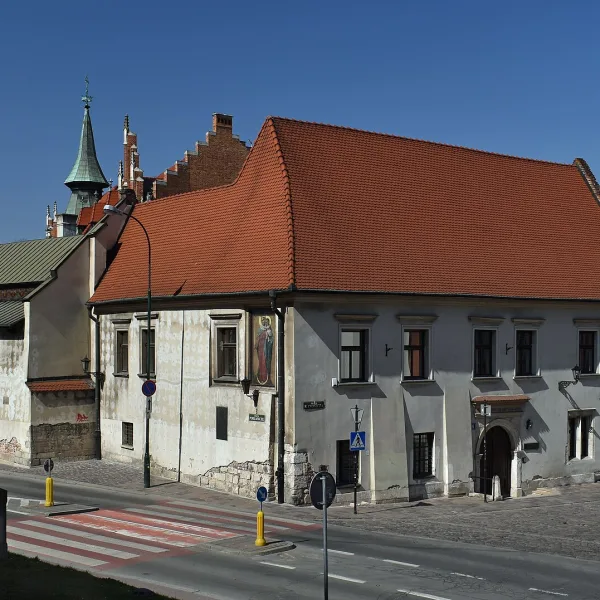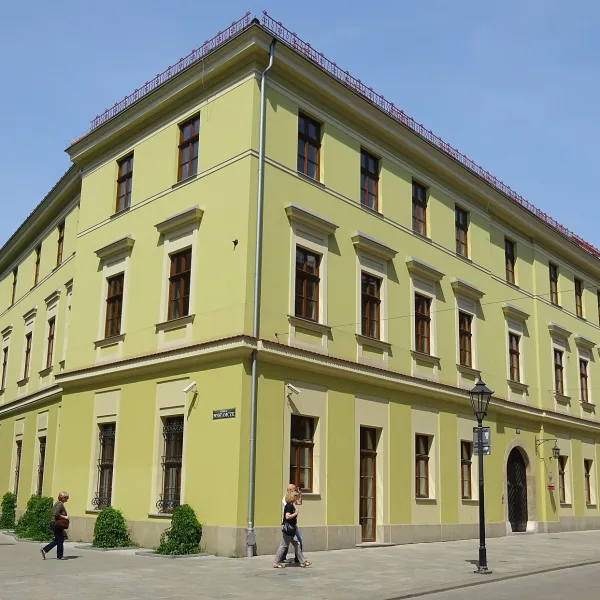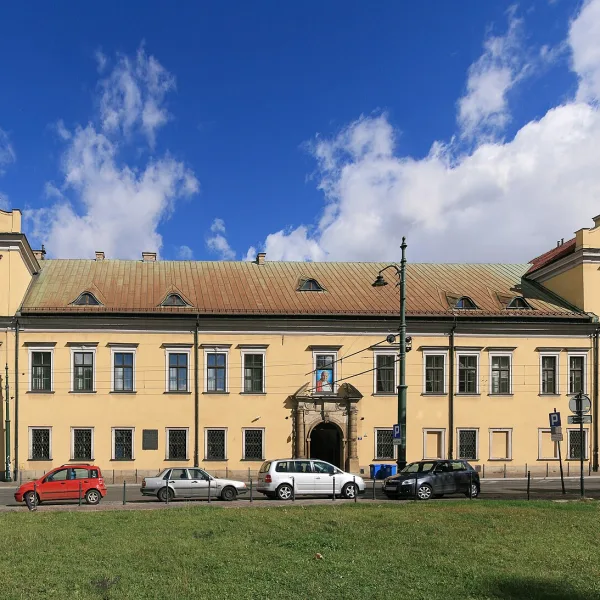
seat of the bishops of Kraków since the end of the 14th century, with the Papal Window above the gate
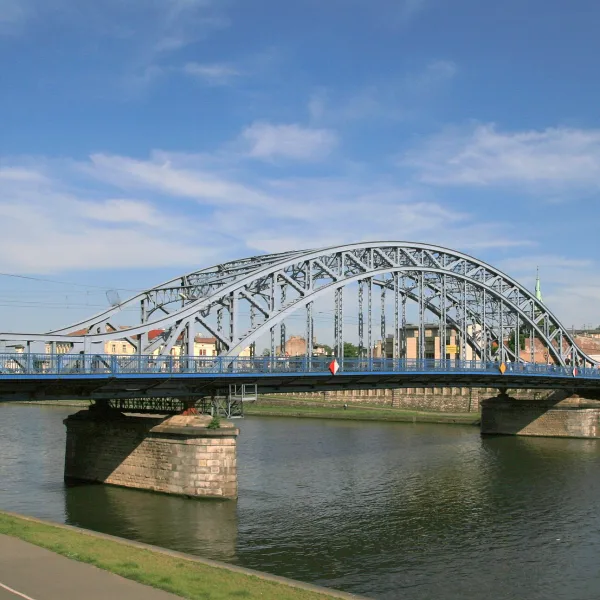
a steel truss bridge of 1933 between Kazimierz and Podgórze
an early Baroque church from 1638-1644, a Protestant church since 1816
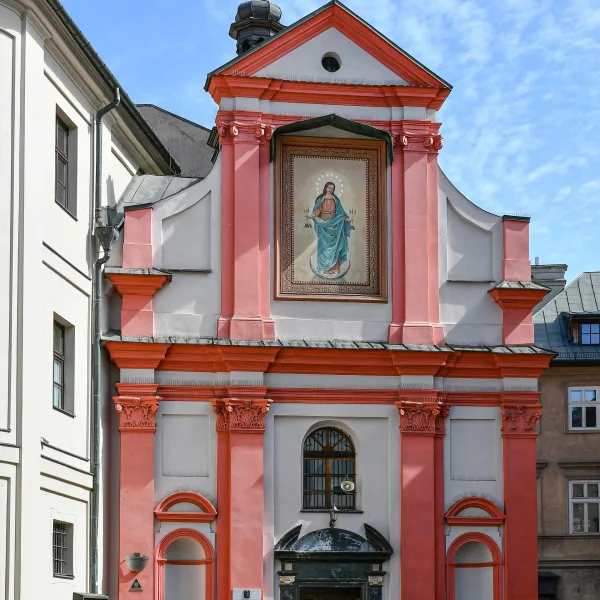
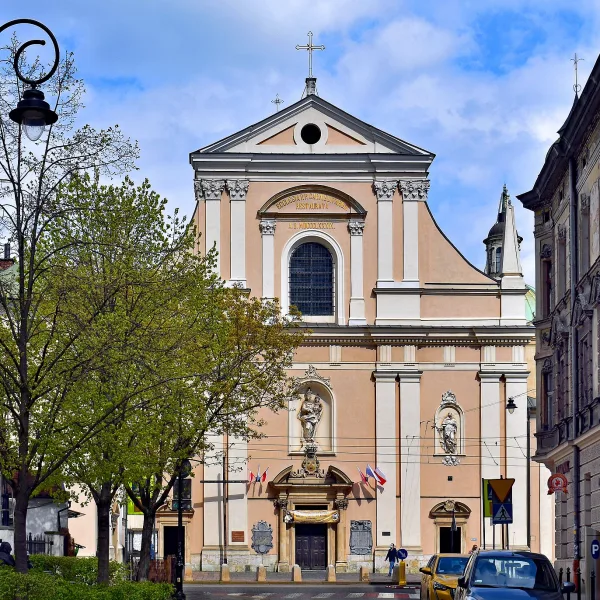
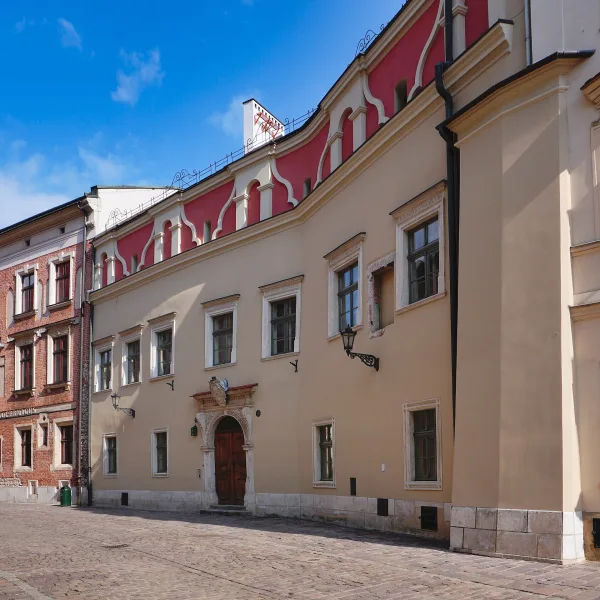
a former Włostowic foundation, today a church with the relics of Blessed Zofia Czeska and a pink façade
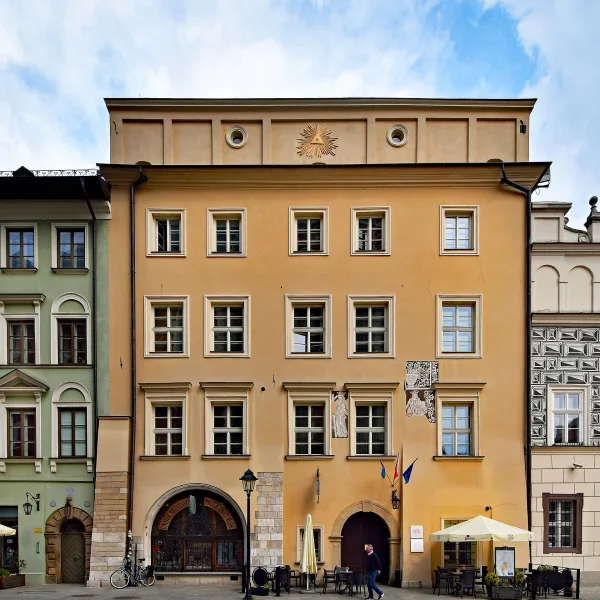
a historic townhouse on Plac Mariacki with an exhibition on the life of Kraków townspeople
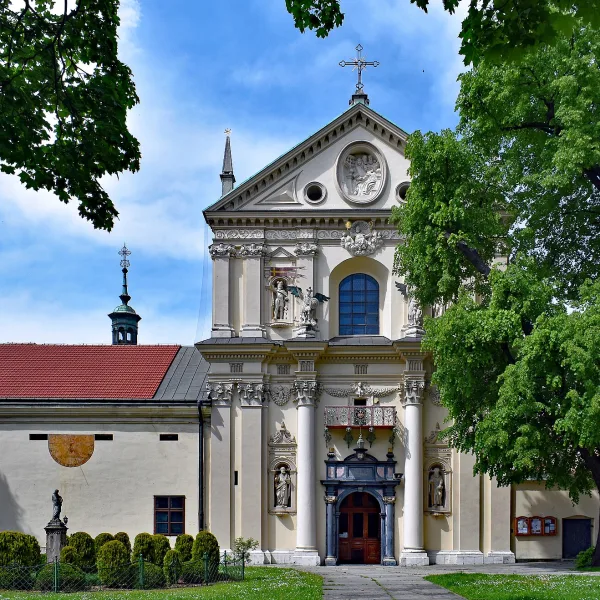
a Baroque Reformed Franciscan church from 1672 with crypts under the nave and frescoes by Mroczkowski
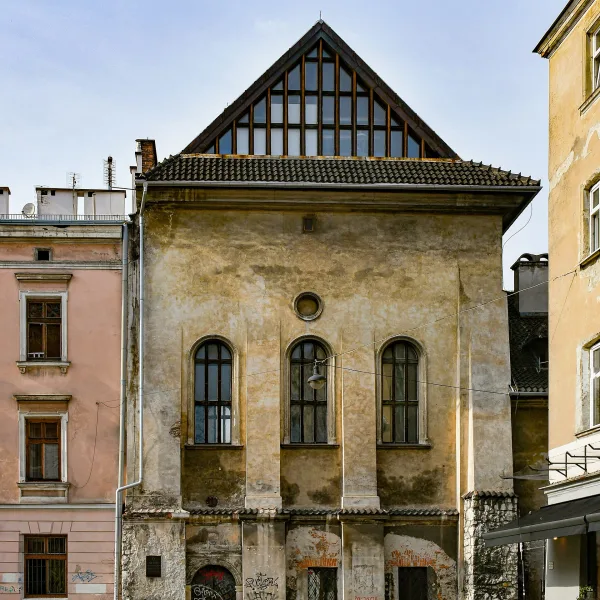
the only synagogue in Poland with a prayer hall on an upper floor, built in the 16th century
Discalced Carmelite church of 1907-1932 with alabaster altars and a mosaic on the façade
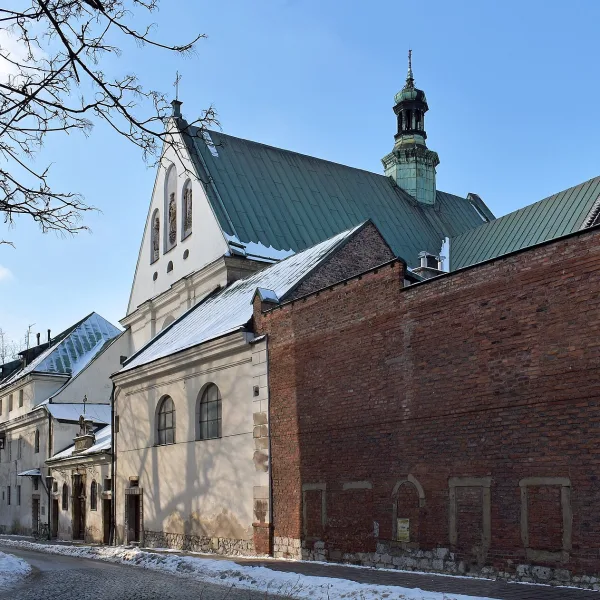
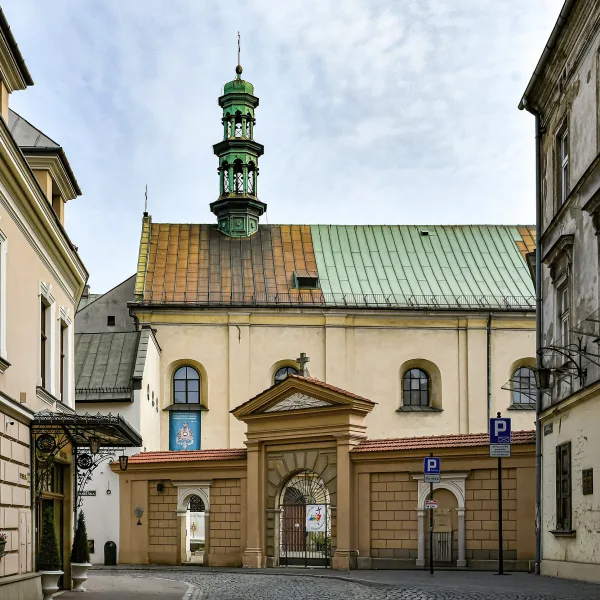
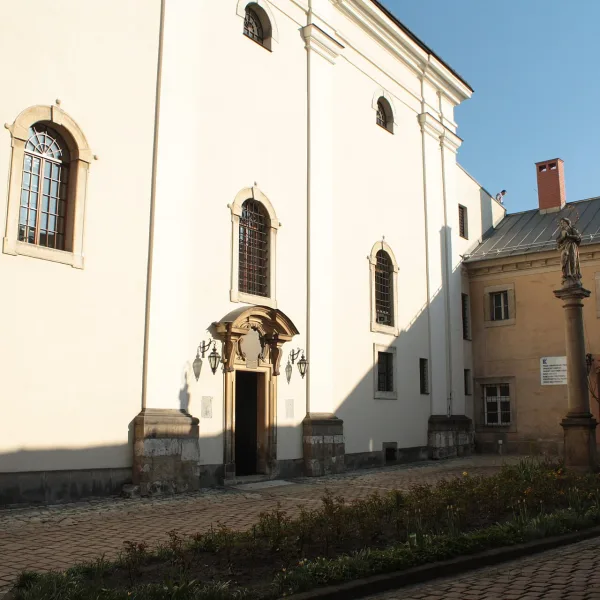
Baroque Bernardine church of 1694-1703 with altars by Hankis and a figure of the Colettine Infant
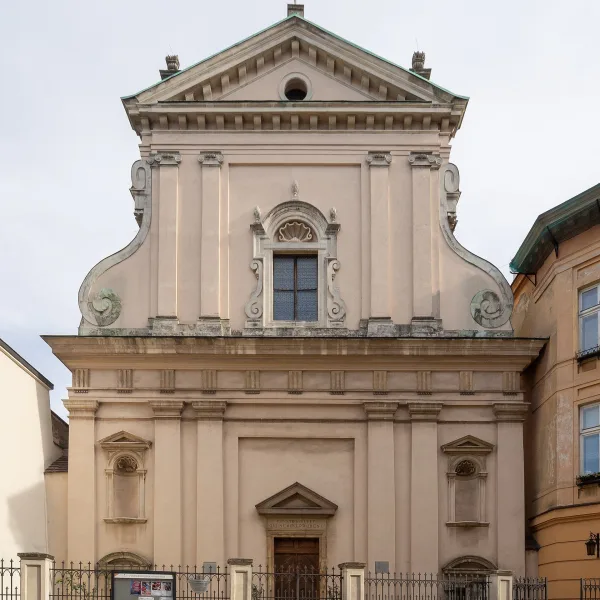
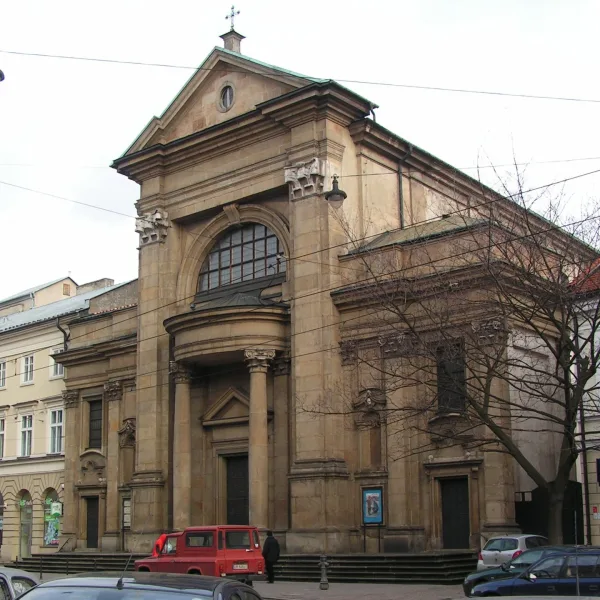
a late Baroque church of the Brothers Hospitallers in Kazimierz with a façade by Franciszek Placidi
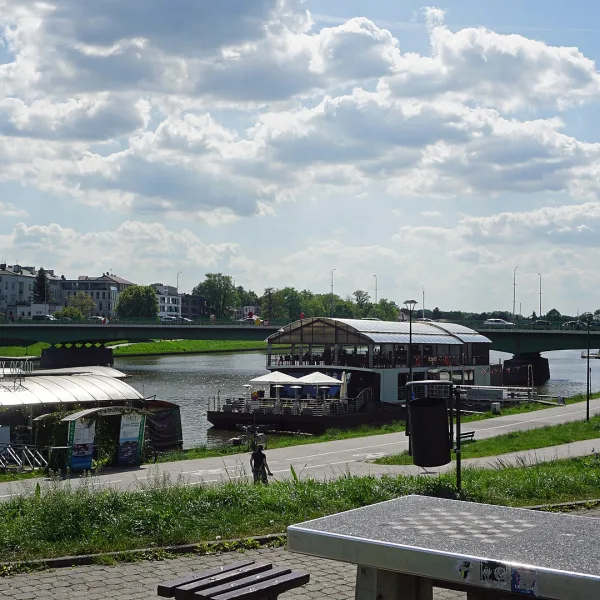
historic walls on the Vistula with walking paths and the EuroVelo 4 cycle route
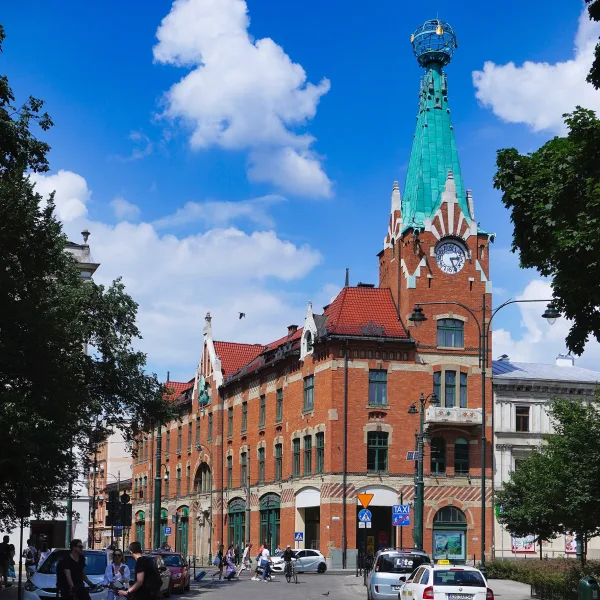
Art Nouveau chamber of commerce building with a globe on its tower, Laszczka reliefs and the Mehoffer Hall
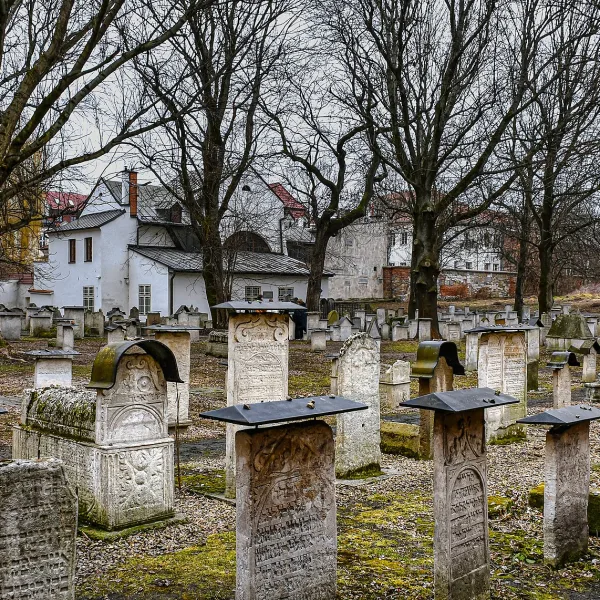
the oldest Jewish necropolis in Kraków by the Remuh Synagogue, with a wall made of recovered matzevot
Baroque Carmelite basilica founded by Jadwiga and Jagiełło, with the image of Our Lady of Kraków
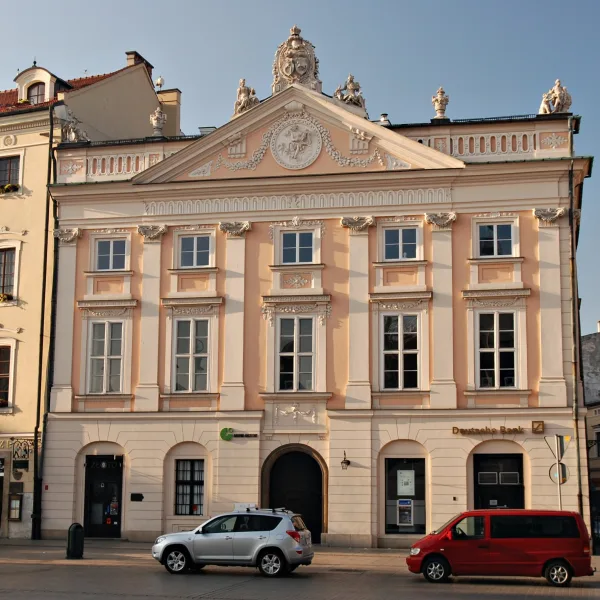
magnate residence with an arcaded courtyard on the Main Market Square, the former Goethe Institute
Baroque Visitationist church with a rich interior, a treasury and a garden with chapels
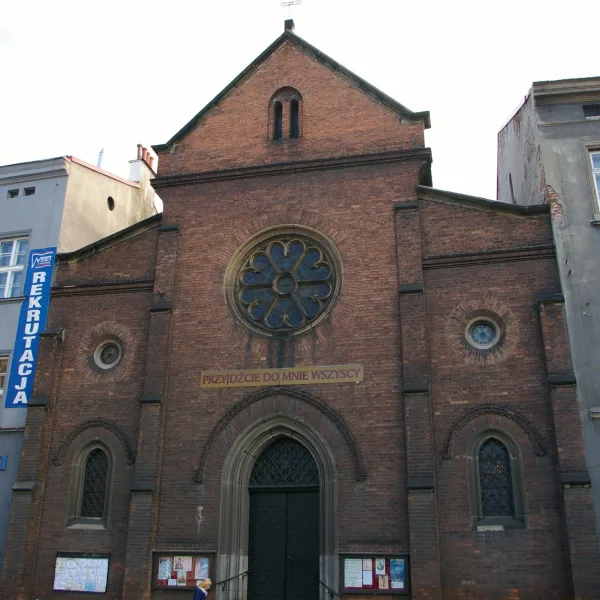
Gothic Revival Vincentian church from 1875-1877 in Kleparz, with the painting of the Milatyn Christ
a Baroque missionaries' church by Bażanka with a portrait of Báthory from 1583
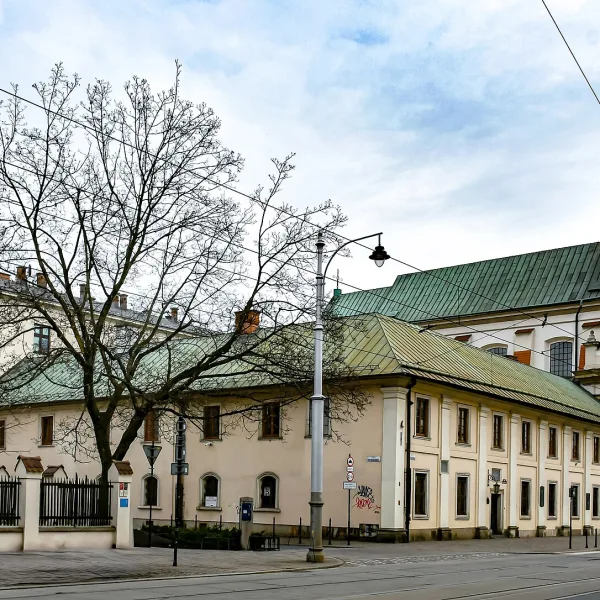
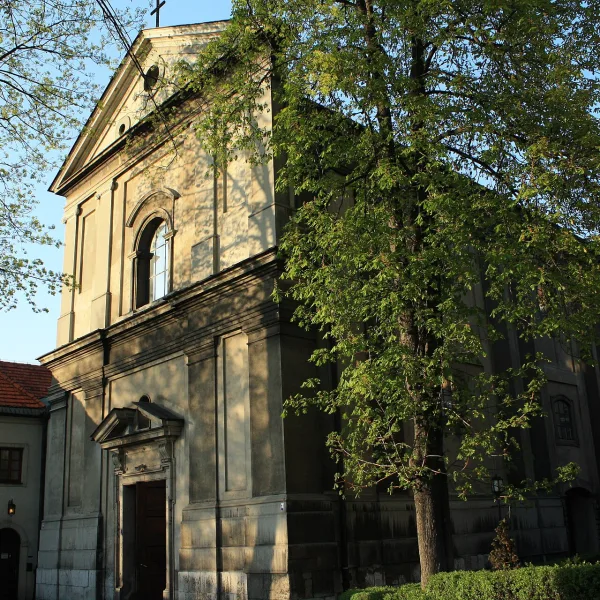
a Baroque garrison church in Stradom, formerly Bernardine, with the sarcophagus of General Haller
Gothic canons' house at the foot of Wawel, where the chronicler Jan Długosz lived and died
medieval bishop's townhouse on Kanonicza with a courtyard decorated with sgraffito
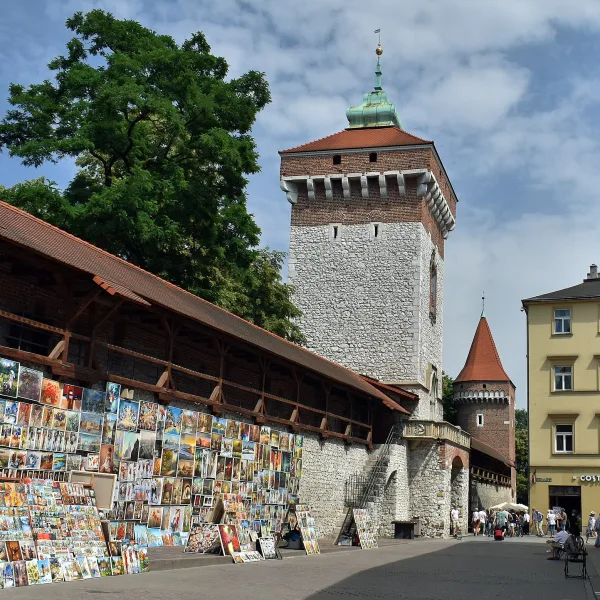
a surviving section of medieval fortifications with a visitor route on ul. Pijarska
a museum of the founder of the Felician Sisters in a 14th-century townhouse near the Main Market Square
Renaissance palace on Grodzka Street, for almost four centuries the seat of the Primates of Poland