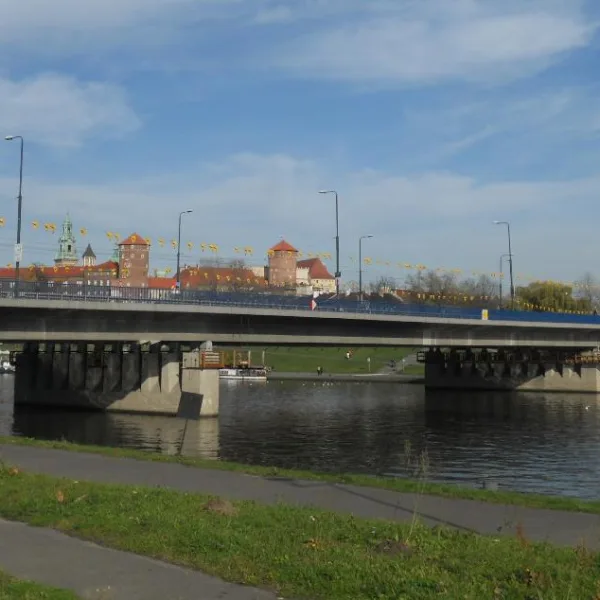
a bridge from 1972 with a view of Wawel Hill and the Church on the Rock, on the route to Tyniec
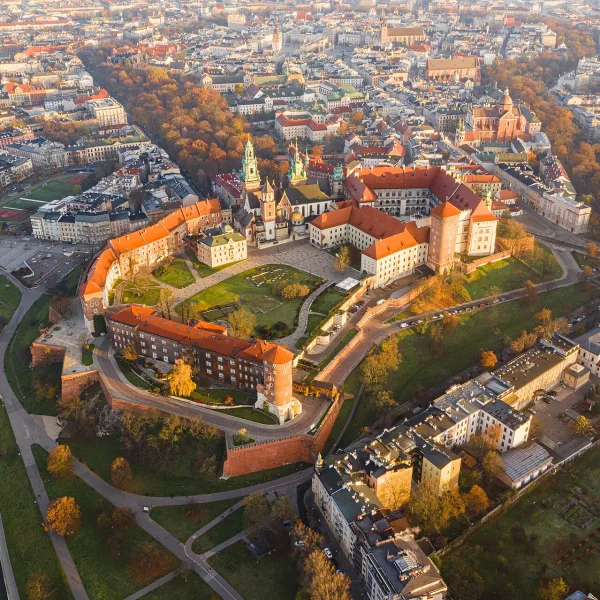
hill of kings with the castle, cathedral, towers, gardens and Dragon's Den above the Vistula
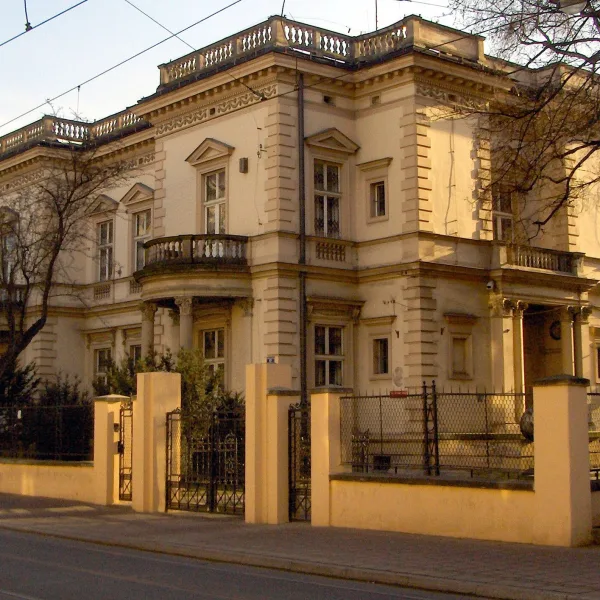
1884 palace with a collection of about 100,000 coins, medals and early printed books
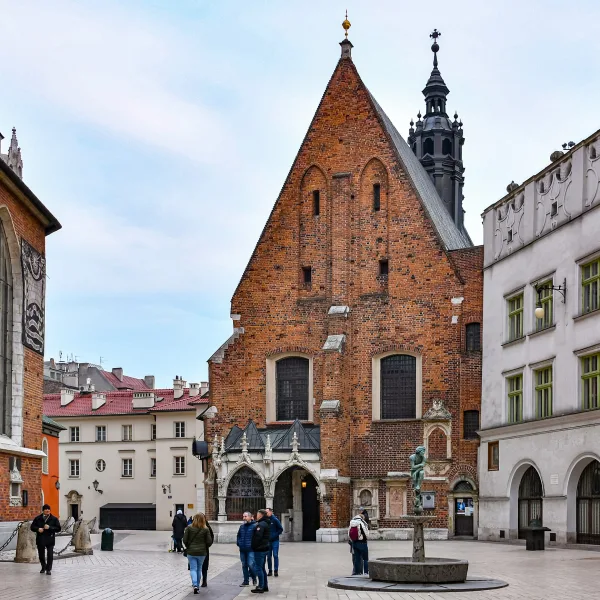
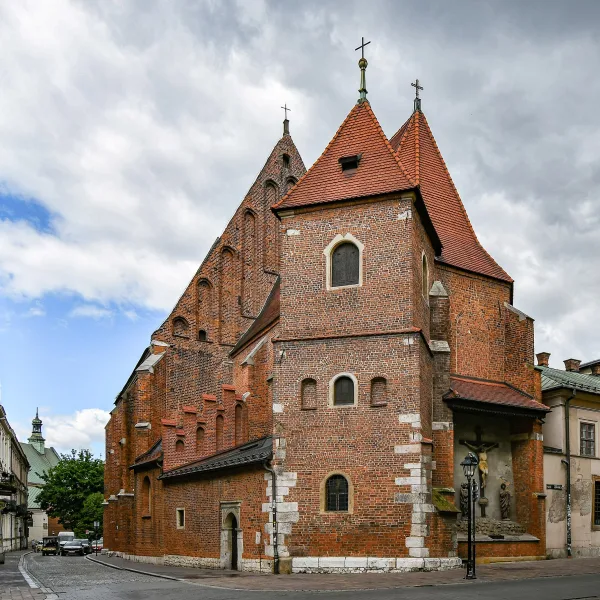
a Gothic Jesuit church on Mariacki Square with the Ogrojec chapel and a Baroque interior
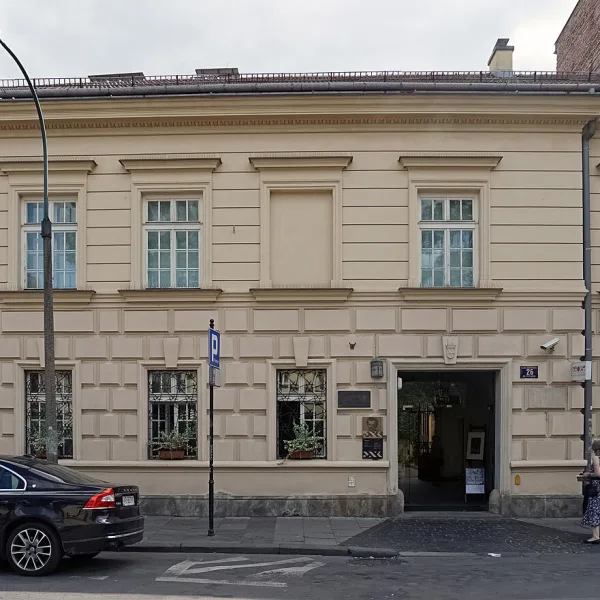
a house museum of a painter from the 1930s, with stained glass, paintings and Japanese woodcuts
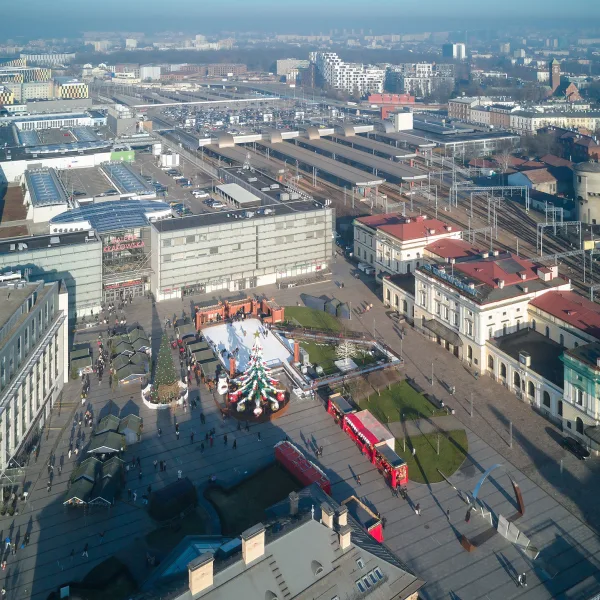
a square by Kraków Główny station with a monument to Ryszard Kukliński and a seasonal ice rink
an early Baroque Bernardine basilica in Stradom with a Dance of Death and a Mehoffer stained-glass window
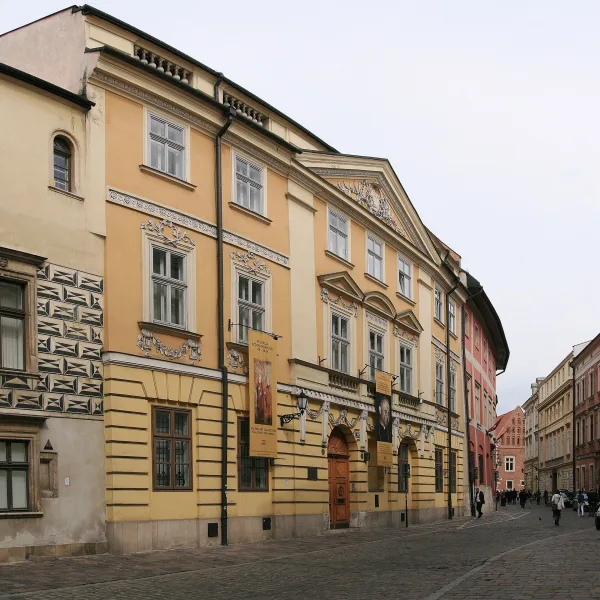
a former bishop's residence on Kanonicza with a gallery of old Polish art and a collection of icons
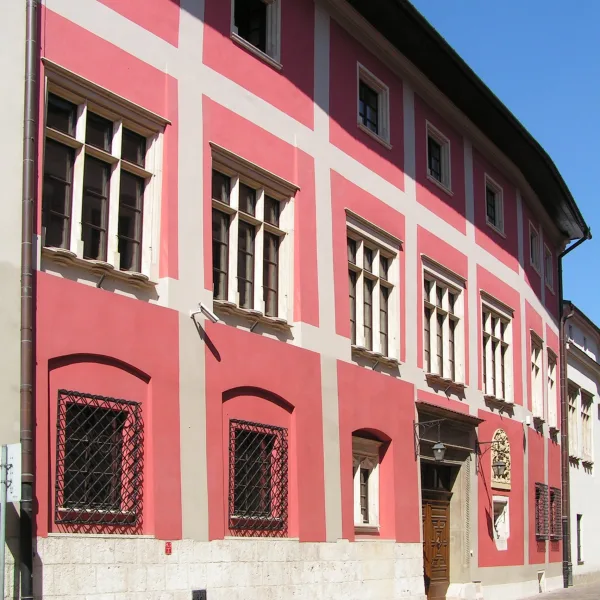
a 16th-century townhouse where Matejko lived, with the painter's drawing room, bedroom and studio
a Gothic Augustinian church founded by Casimir the Great, with a tomb from Gucci's workshop
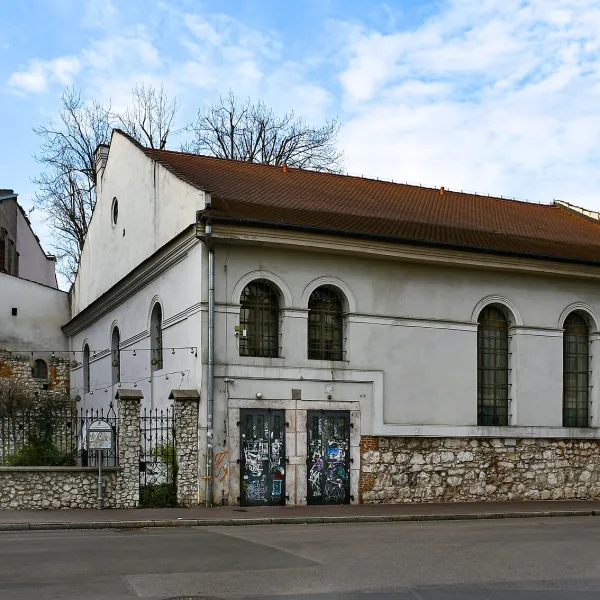
a Baroque synagogue built in 1635-1643, with a ceiling from 1925 and a zodiac cycle
a Gothic church of the Order of the Holy Spirit with a vault resting on one pillar and a Renaissance confessional
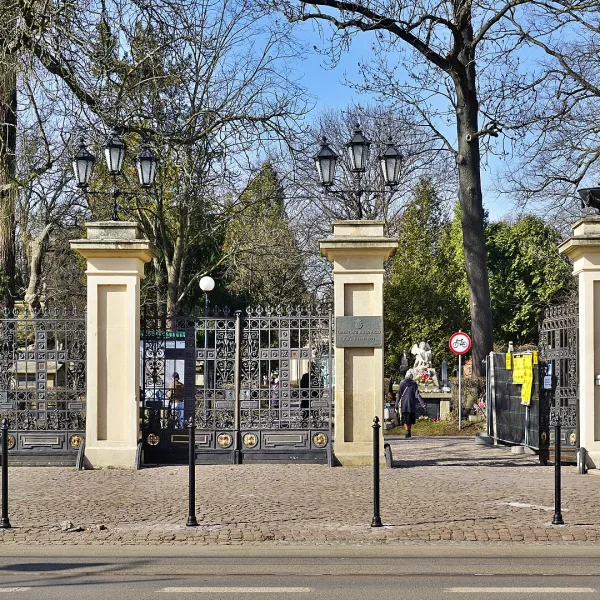
a historic necropolis from 1803 with the Avenue of the Distinguished and the Helcel chapel
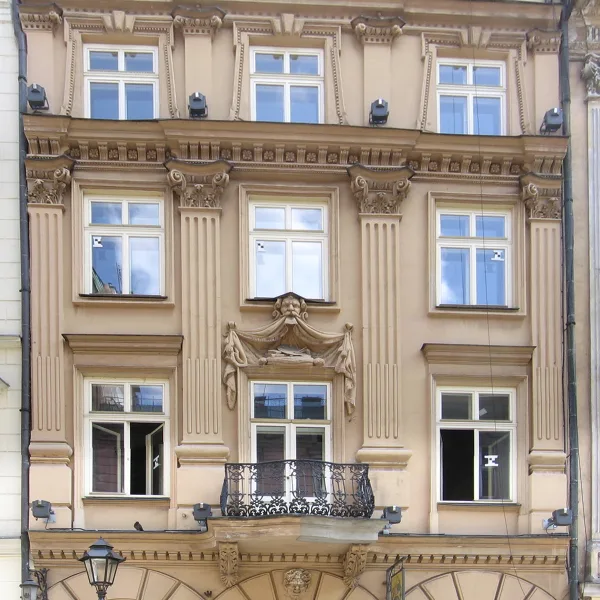
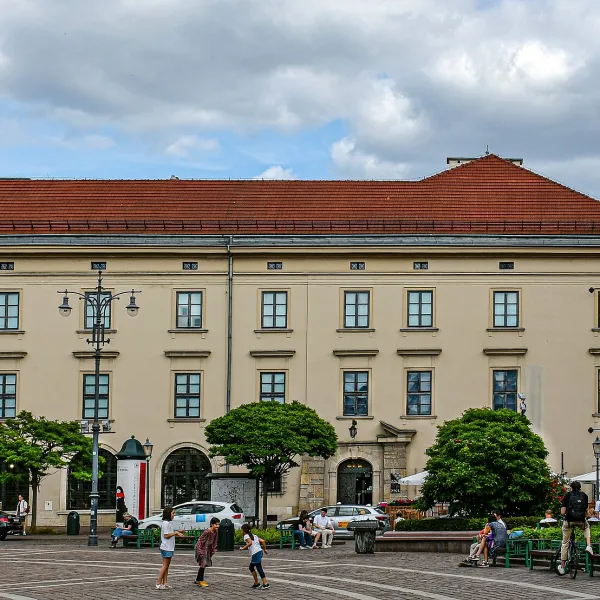
a historic townhouse on Szczepański Square, a branch of the National Museum with exhibitions on Wyspiański and Jasieński
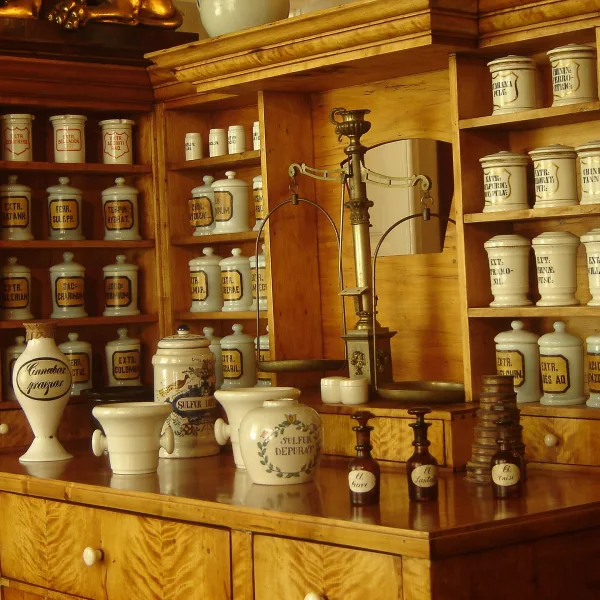
collections on the history of pharmacy on five floors of a historic townhouse on Floriańska
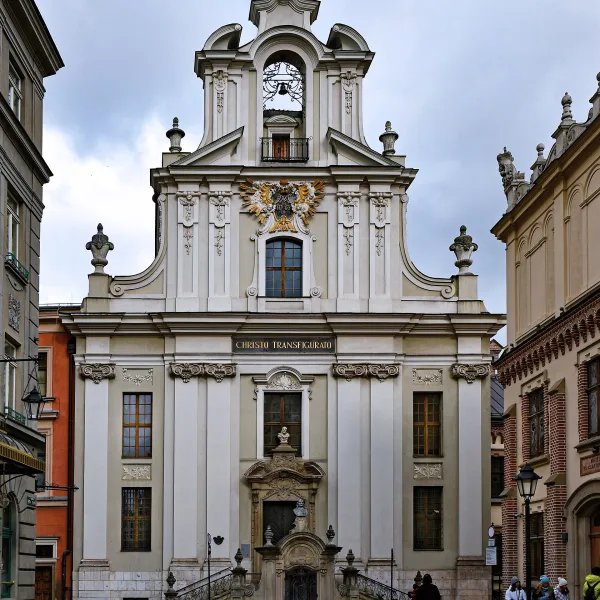
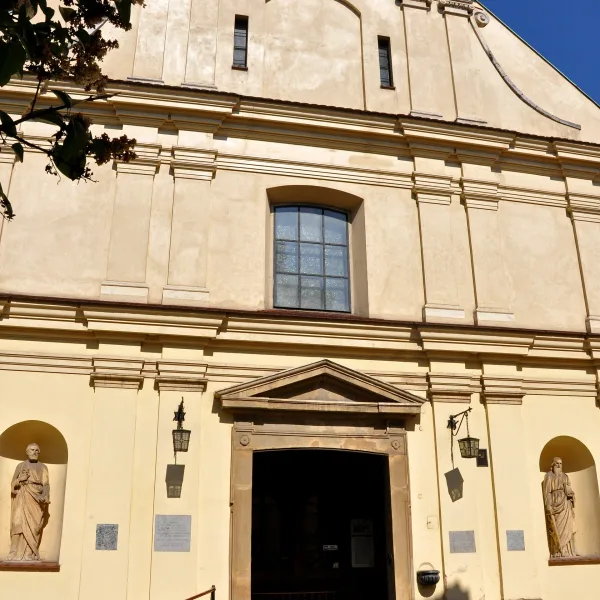
a Rococo Piarist church with a façade by Placidi and illusionistic polychromes from 1733
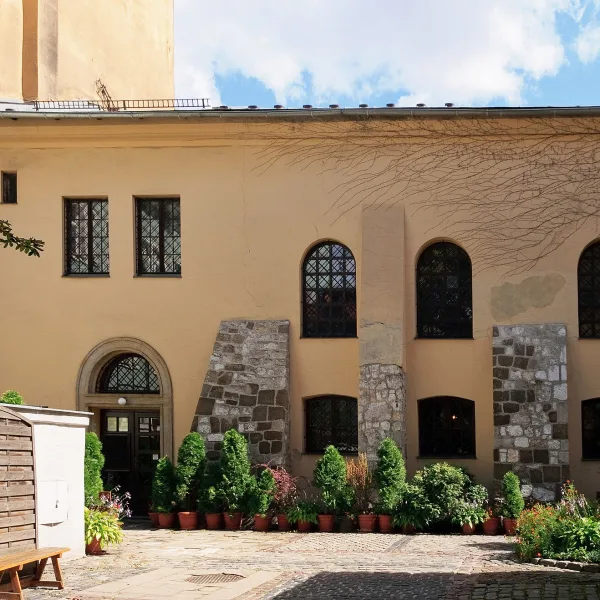
a synagogue from 1620 in Kazimierz, rebuilt after the war, today with a bookshop
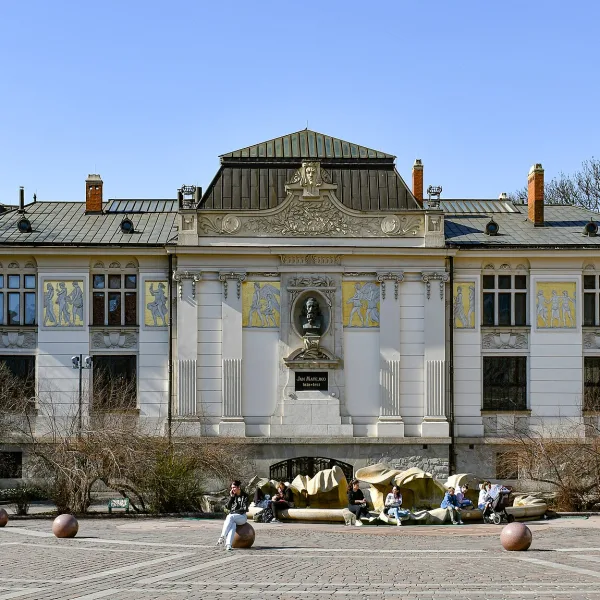
Art Nouveau building of 1898-1901 modelled on the Vienna Secession Building
Baroque Norbertine church of the 17th century, a Greek Catholic tserkva since 1808
sacred art from the 13th century in the houses on Kanonicza Street, the former home of Karol Wojtyła
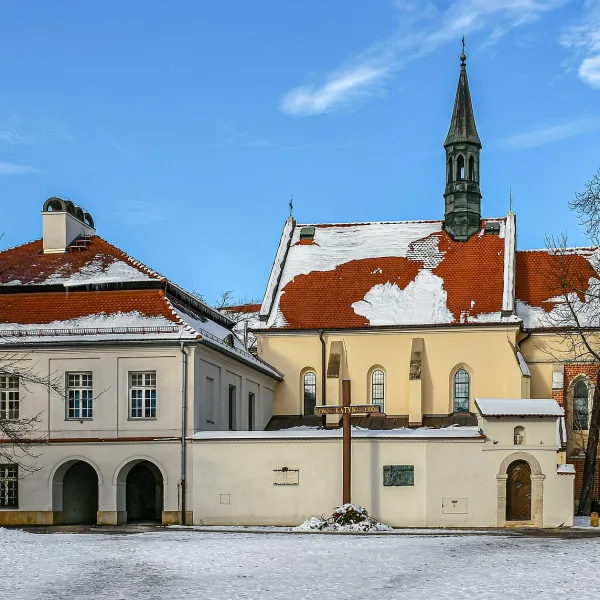
Gothic church of the canons regular from the 13th century with a wooden altar from the early 17th century
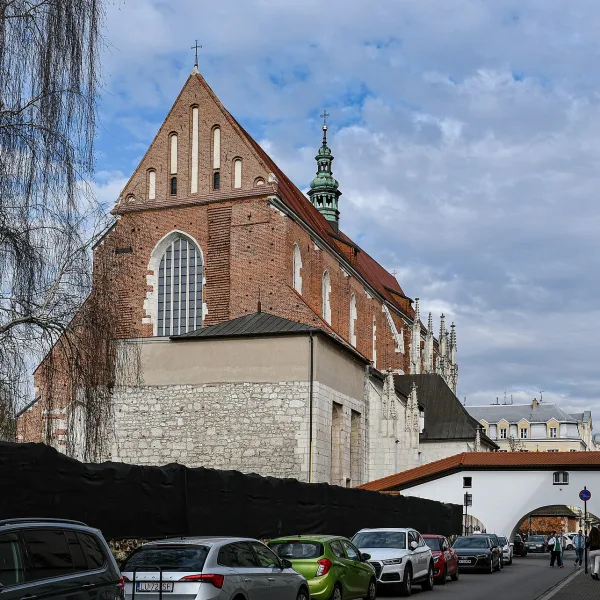
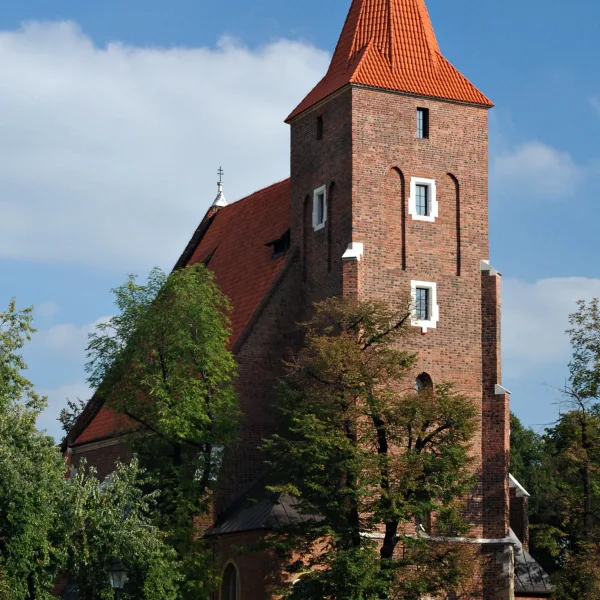
Gothic brick church at the foot of Wawel Hill, linked by tradition with Duke Władysław Herman
Romanesque origins, Baroque rebuilding, the shrine of Blessed Hanna Chrzanowska and a lantern of the dead
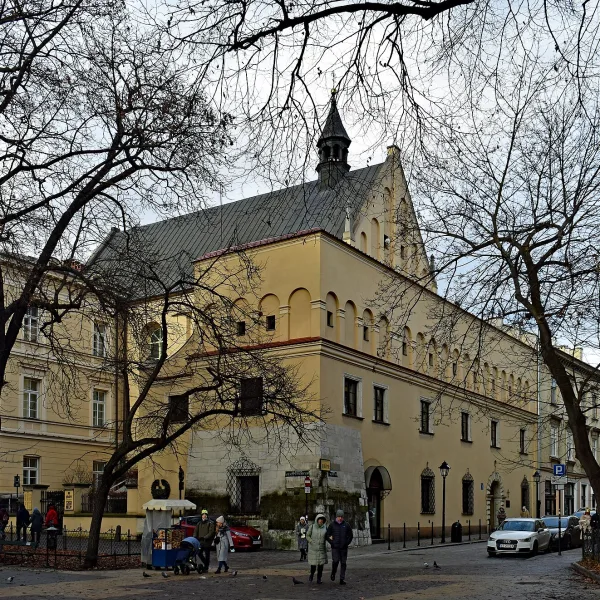
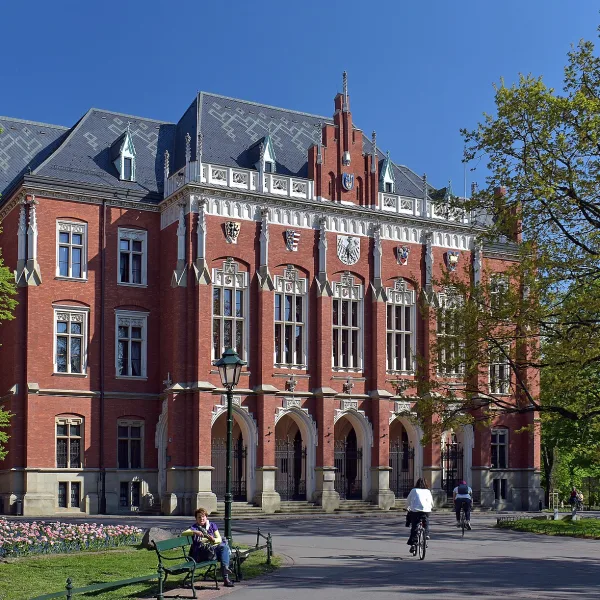
a neo-Gothic building from 1883-1887 with an assembly hall and a plaque about the arrest of professors in 1939