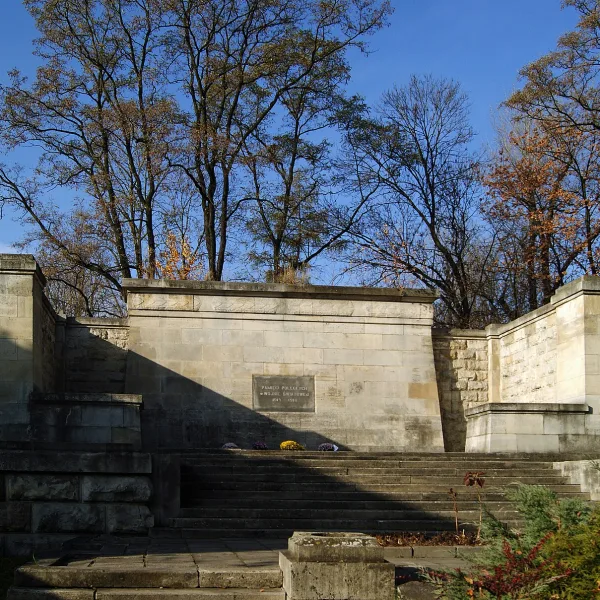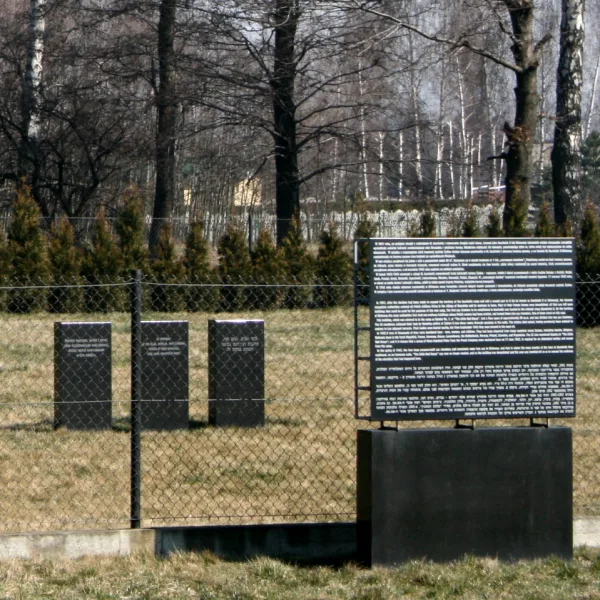
site of the first gas chamber in Birkenau, commemorated with plaques in three languages
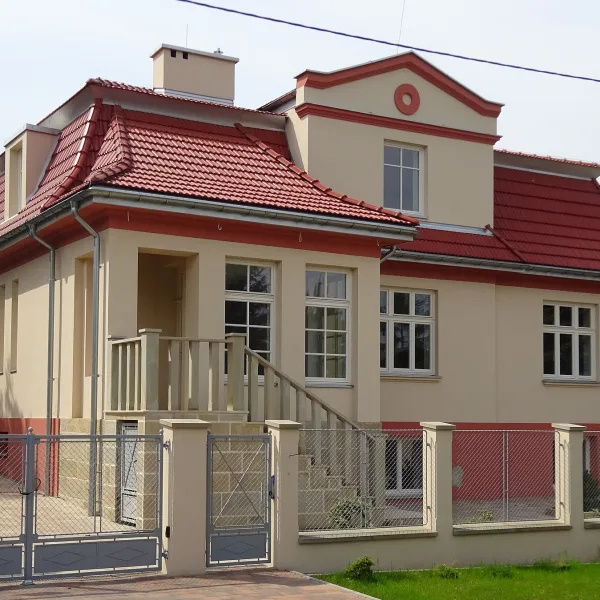
historic villa from 1934, during the war the residence of the Plaszow camp commandant, today private
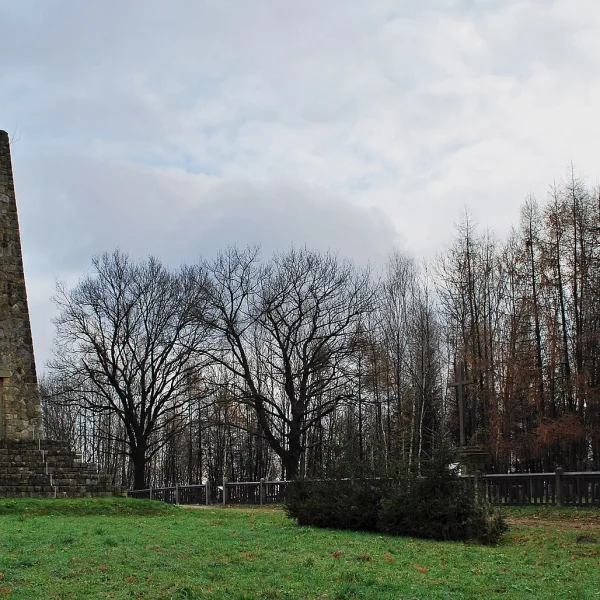
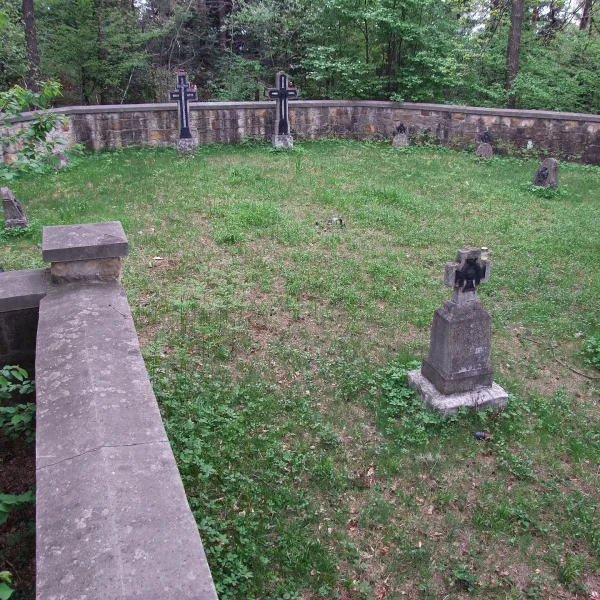
a West Galician war cemetery from 1915, with preserved traces of trenches and an obelisk
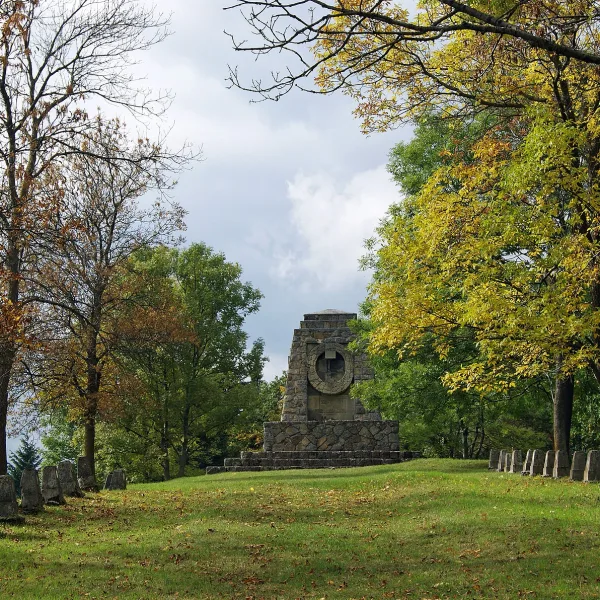
a cemetery from 1916 designed by Heinrich Scholz, with 614 buried soldiers
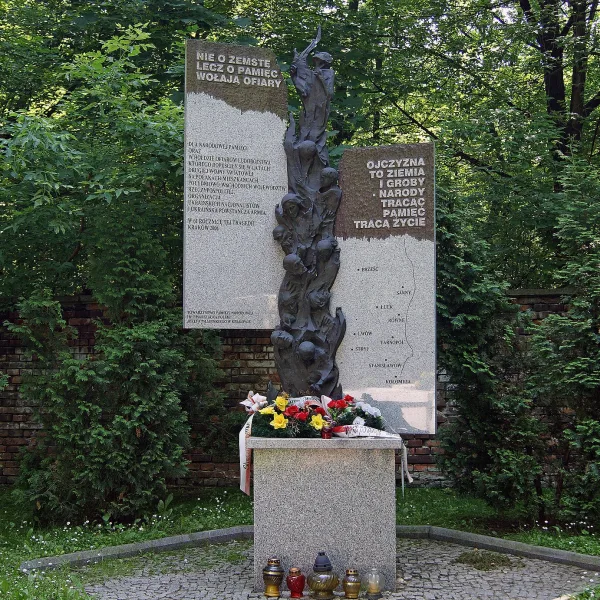
monument in the shape of an open book, commemorating the Polish victims of the Volhynia massacre
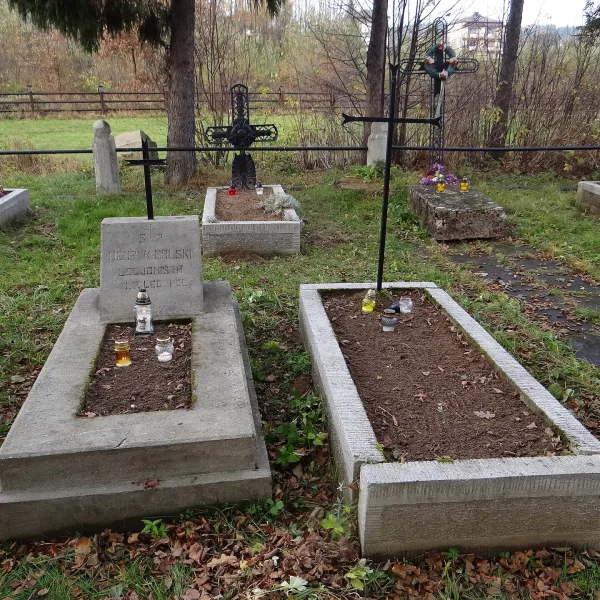
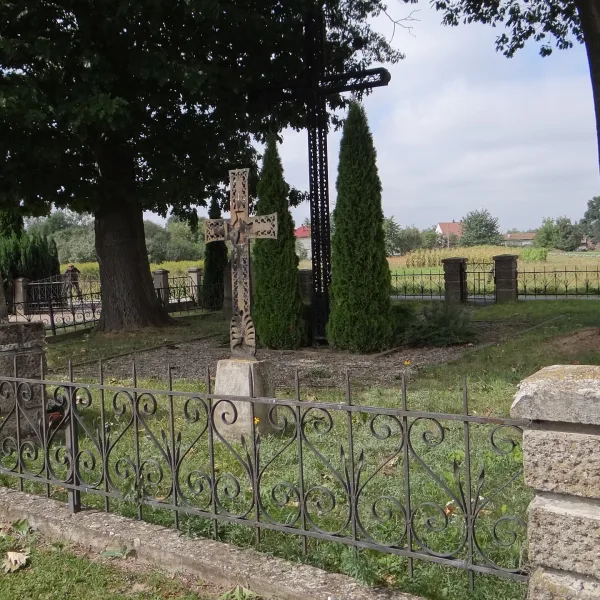
small Austrian war cemetery from 1914 among the fields of Cichawa
small First World War cemetery in Banica, designed by Dušan Jurkovič, 52 burials
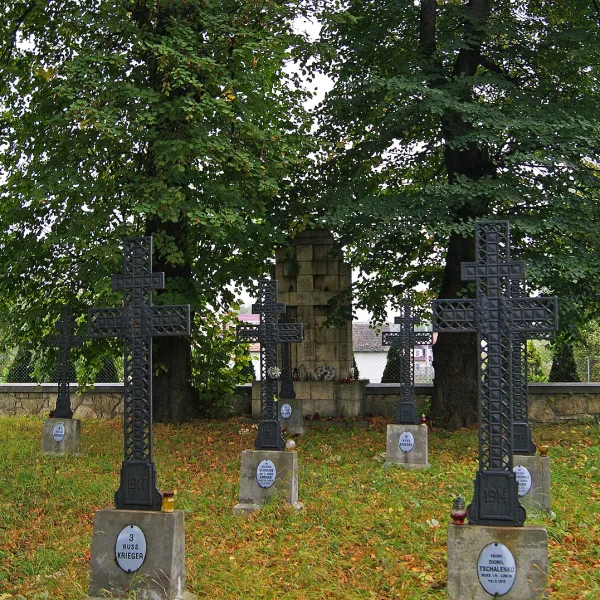
First World War cemetery, 89 Austro-Hungarian and Russian soldiers, T-shaped plan
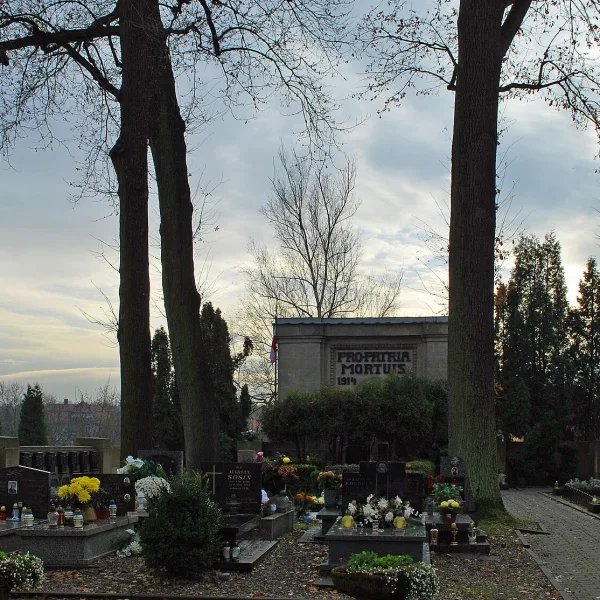
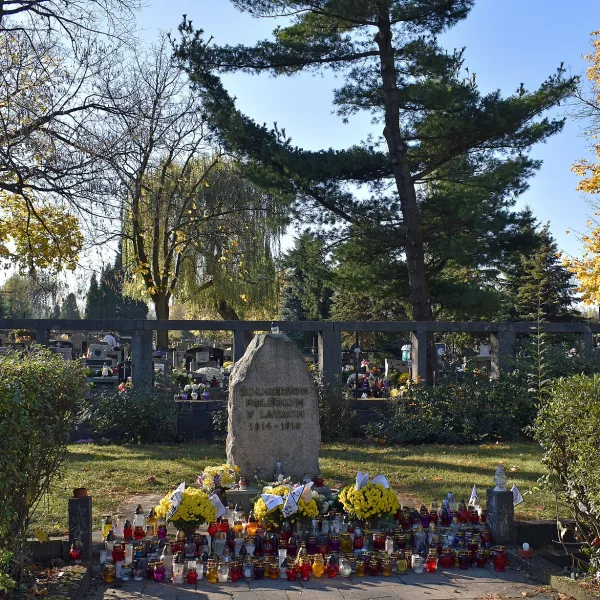
First World War plot in the municipal cemetery in Wieliczka
First World War cemetery in Lipnica Dolna, 63 soldiers of the Russian and Austro-Hungarian armies and the Legions
ghetto of 1942-1943 in the poorest part of Wadowice, liquidated by deportation to Auschwitz
three First World War plots in Rakowicki Cemetery and on Prandoty Street
Jewish cemetery from 1932 in Podgórze, destroyed during the occupation, with no surviving gravestones
war cemetery from 1915 in district VI Tarnów, in Pleśna municipality
First World War cemetery with 104 Russian soldiers buried, district VI Tarnów
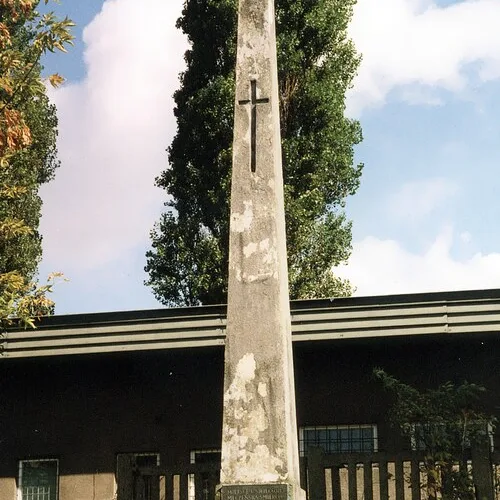
obelisk by Kraków Płaszów station commemorating seven men hanged in reprisal for a train derailment
Austrian First World War cemetery, today a plot in the Podgórze cemetery
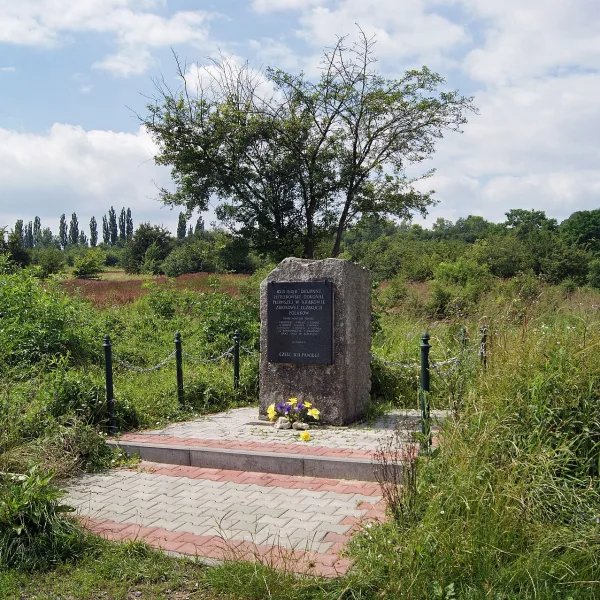
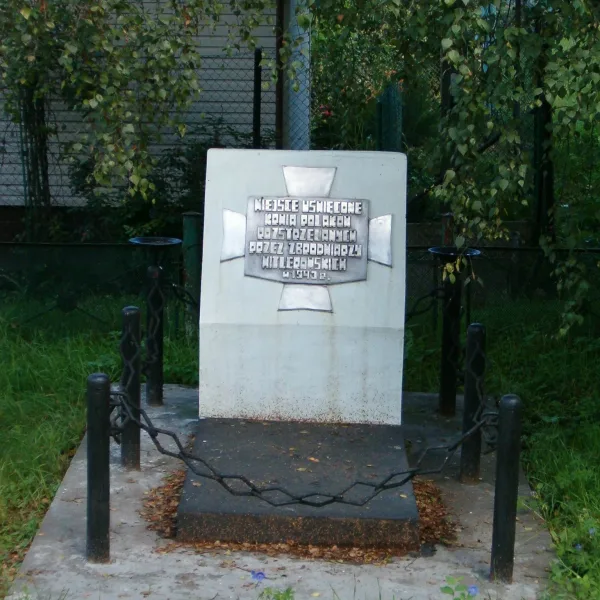
monument from 1984 at the site of the first mass execution of Poles in occupied Kraków
cemetery from 1915, burial place of soldiers of six Hungarian honvéd regiments
war cemetery of district XI Kraków Fortress, with the graves of 10 soldiers killed in 1914
First World War cemetery with the graves of 27 soldiers, next to the parish cemetery
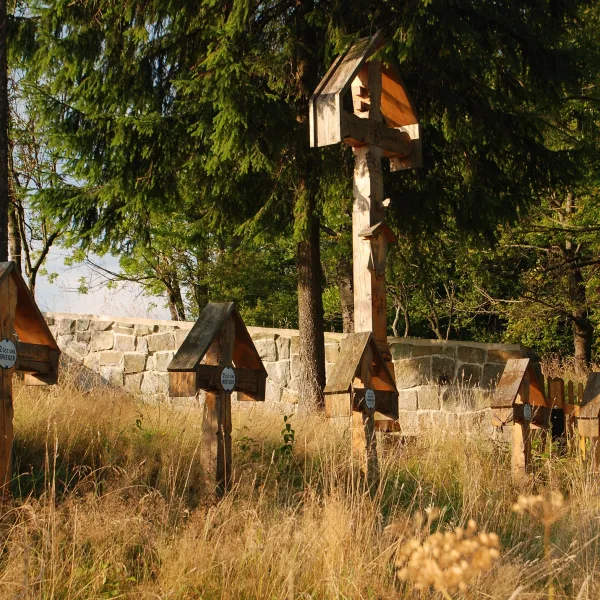
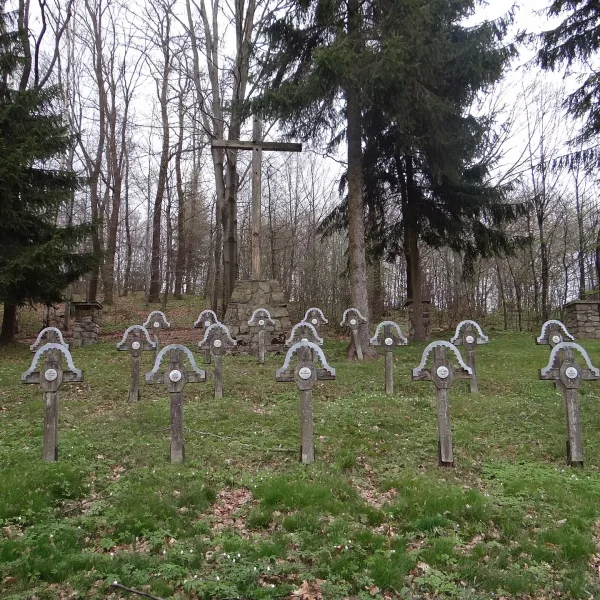
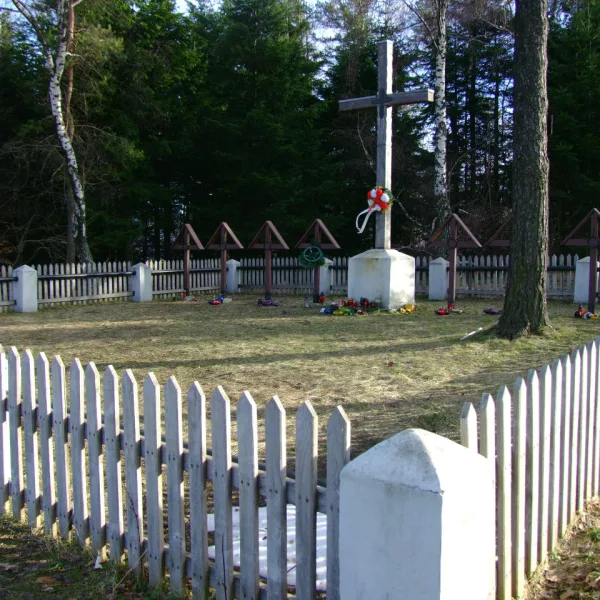
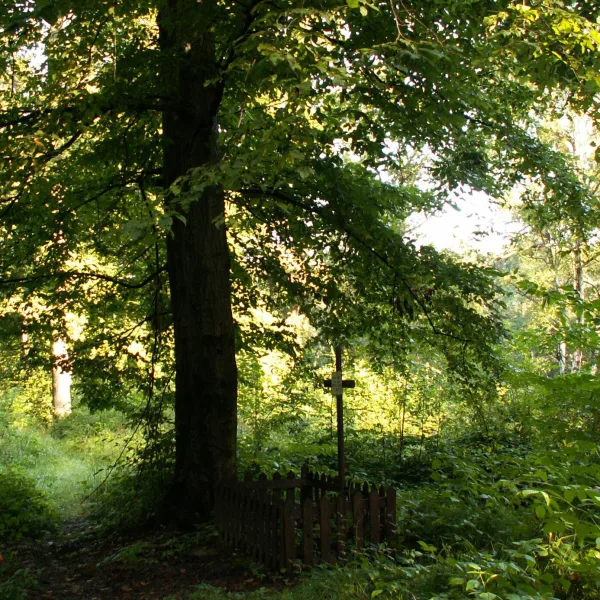
small First World War cemetery in a forest clearing on the slopes of Korab, 33 soldiers with unknown names
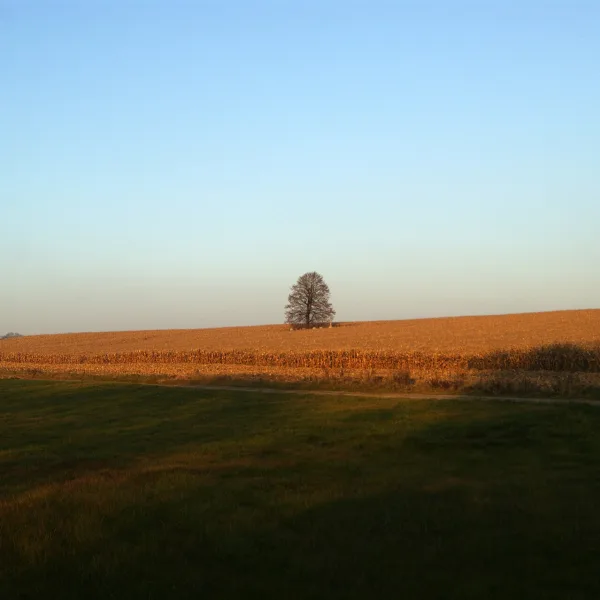
a single grave of two unknown Austro-Hungarian soldiers from the First World War
monument at an execution site from November 1943, in Kraków's Krzesławice