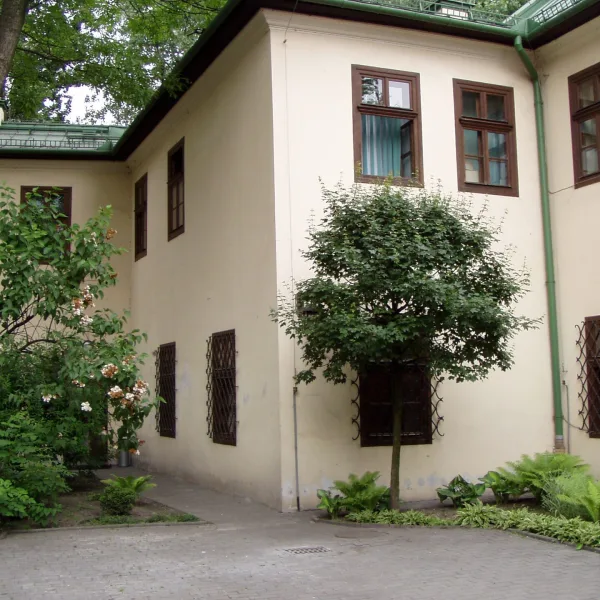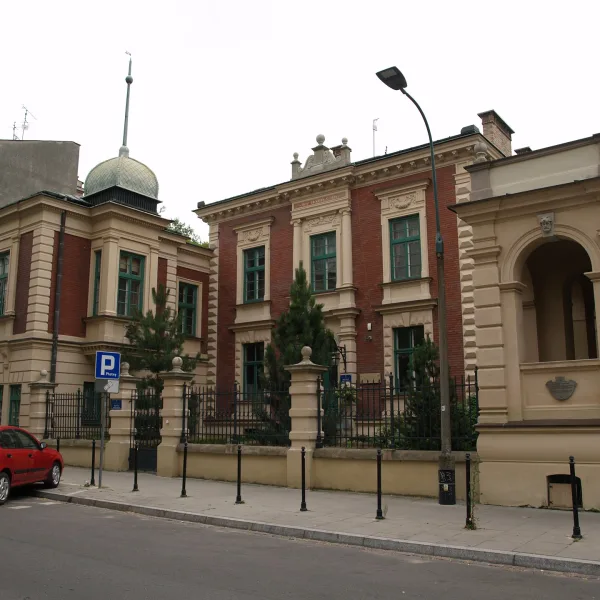
architect's house with a relief of Stańczyk and stained glass by Wyspiański, today owned by a university
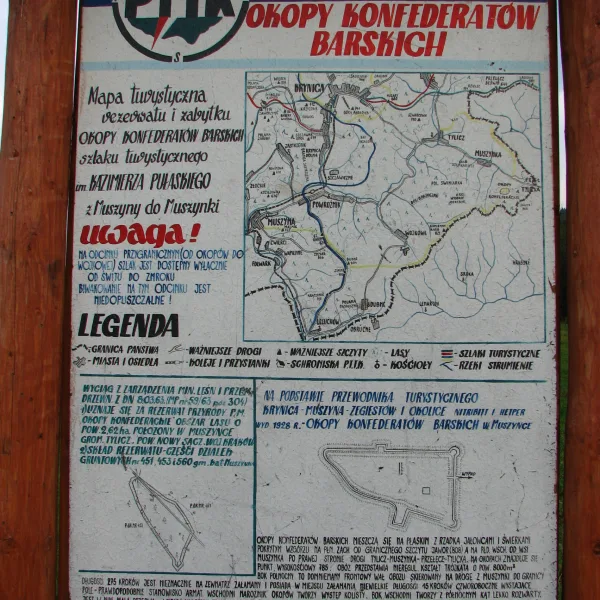
reserve protecting 18th-century entrenchments of the Bar Confederates, by the yellow trail from Muszynka
rope park with courses for children from age 3 and for adults, trampolines, mini golf and a climbing wall
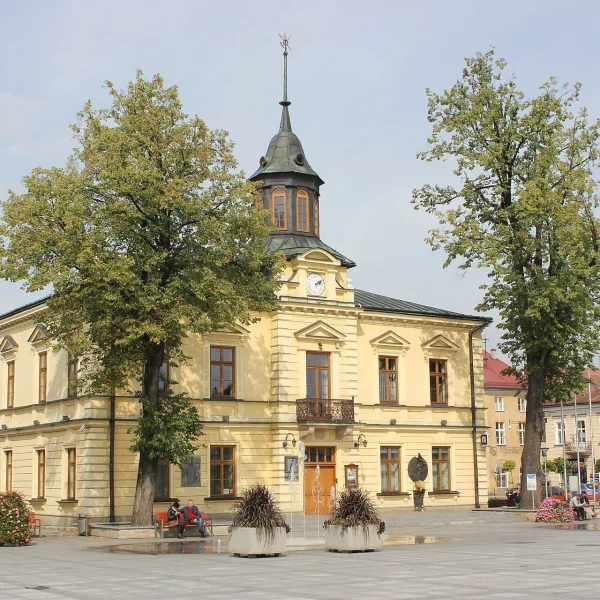
19th-century brick town hall with a tower topped by a helmet roof, home of a museum
ridge 265 m above sea level above the Vistula and the Serafa, with a monument to the fighting of December 1914
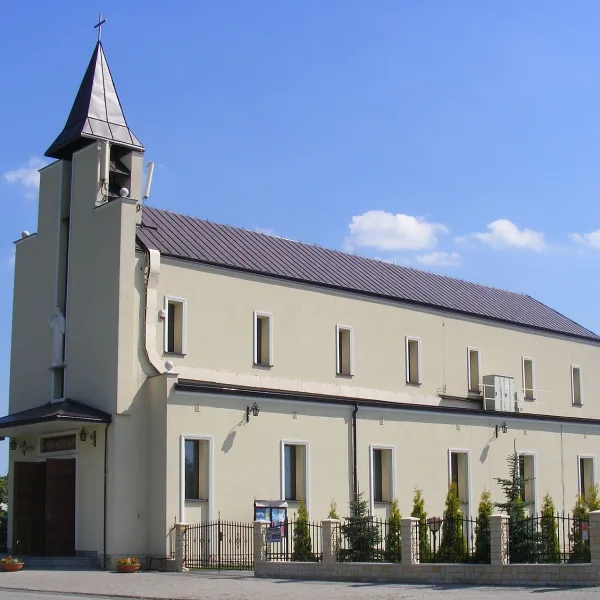
single-nave church from 1991-1992 in Tonie, with relics of St Stanislaus from Wawel
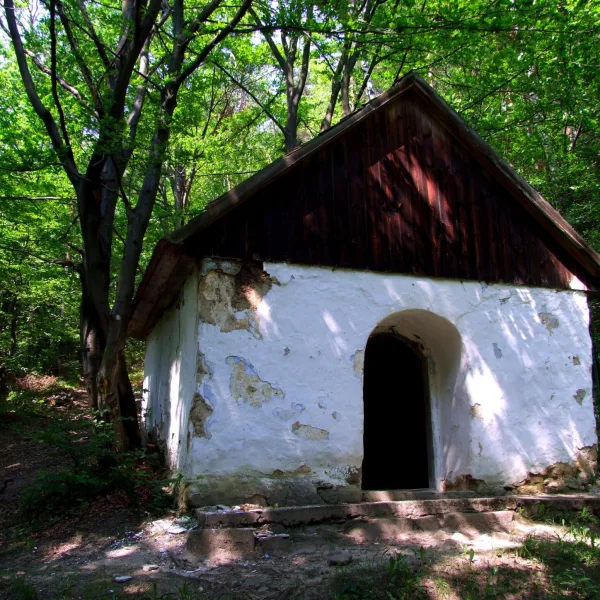
chapel by a spring on the slope of Bukowiec with a Baroque altar and a legend of a hermit
interwar prayer house of the Radomsko Hasidim in a courtyard on Ciemna Street
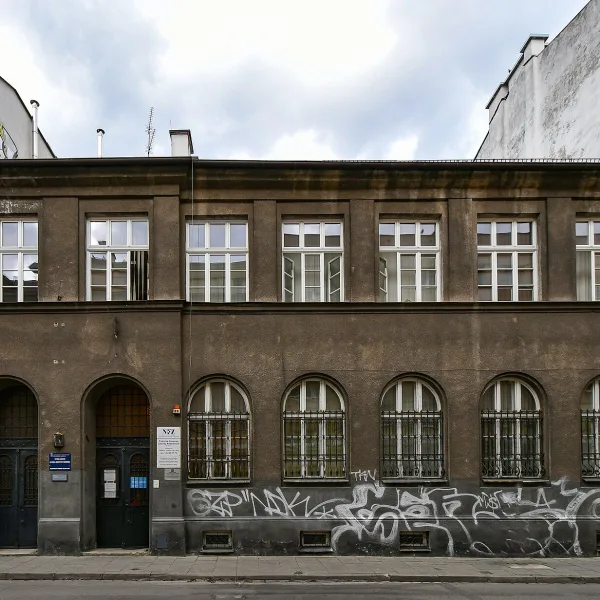
former synagogue from 1914 designed by Henryk Lamensdorf, today a university building
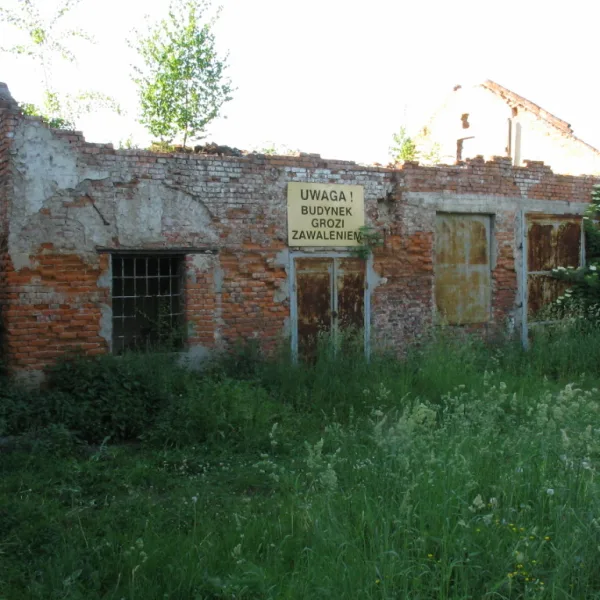
ruin of a Jewish women's prayer house and cheder from the early 19th century
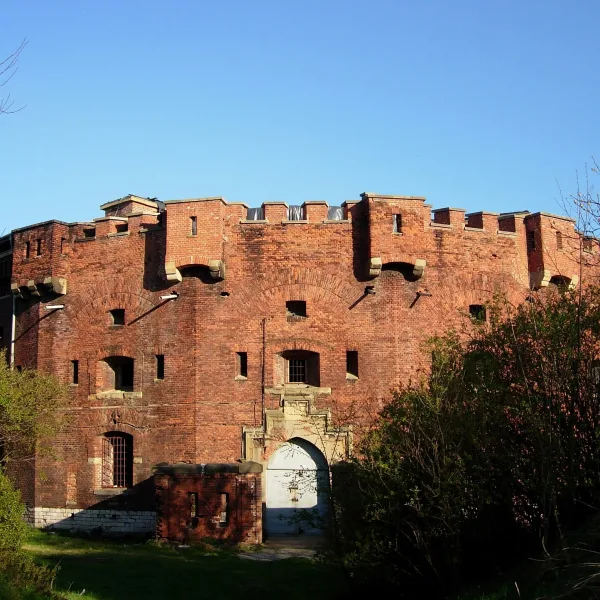
fort from the 1850s in Podgórze, a place of detention for prisoners of war during the war, later a residential building
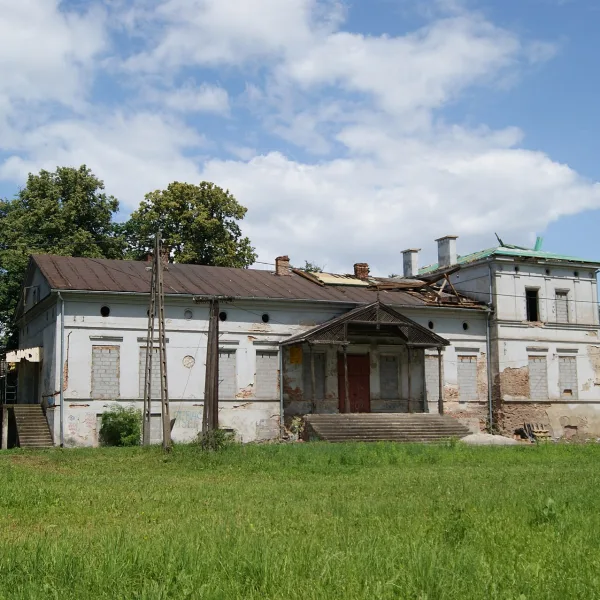
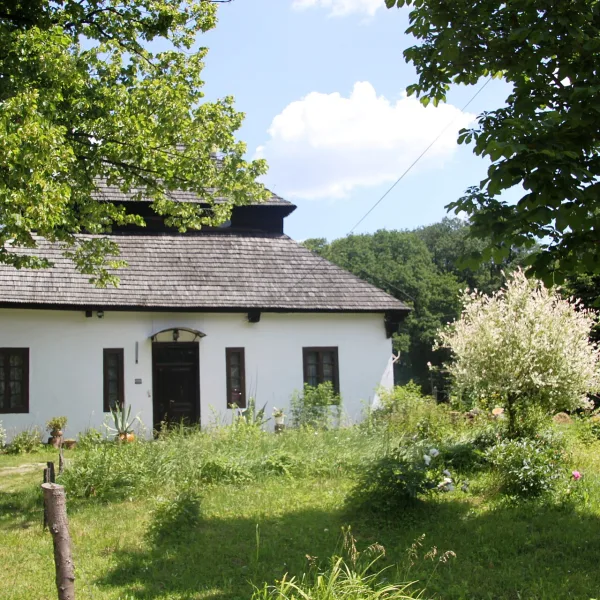
a brick manor house from 1863 in an English-style park, formerly the seat of the Popiel family
wooden Baroque manor house from before 1677 with a polychrome chapel and a park
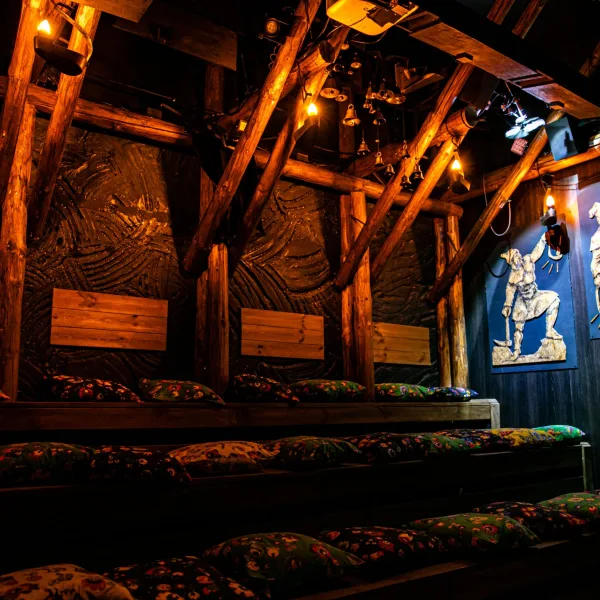
multimedia show on the history of Kraków told through legends, with robots
keepsakes of the Małkowski family and the history of Podhale scouting in the Czerwony Dwór villa
two-kilometre park along the axis of Bieńczyce Nowe with sculptures by Sękowski and Kućma
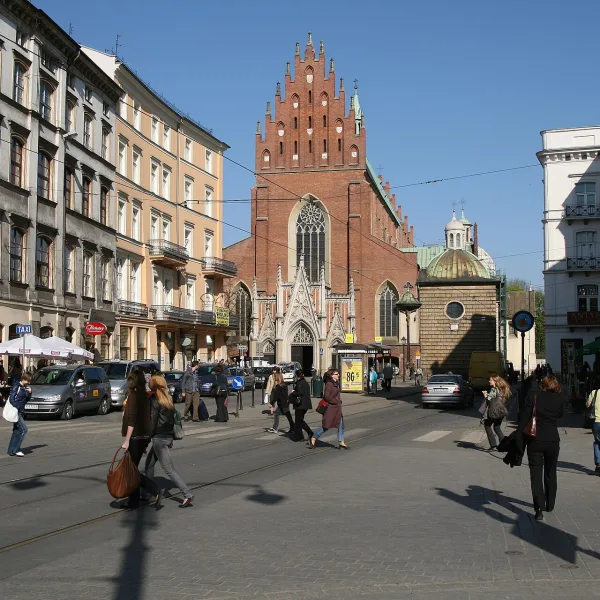
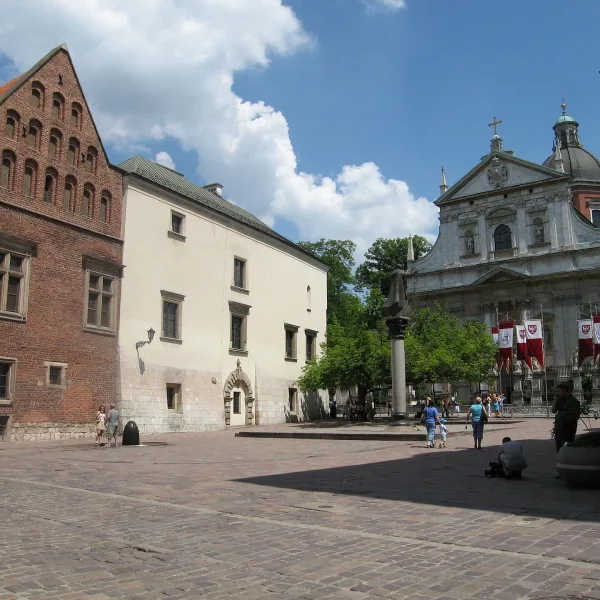
square by the Dominican church with plaques to Modrzejewska and the poet Wasilewski
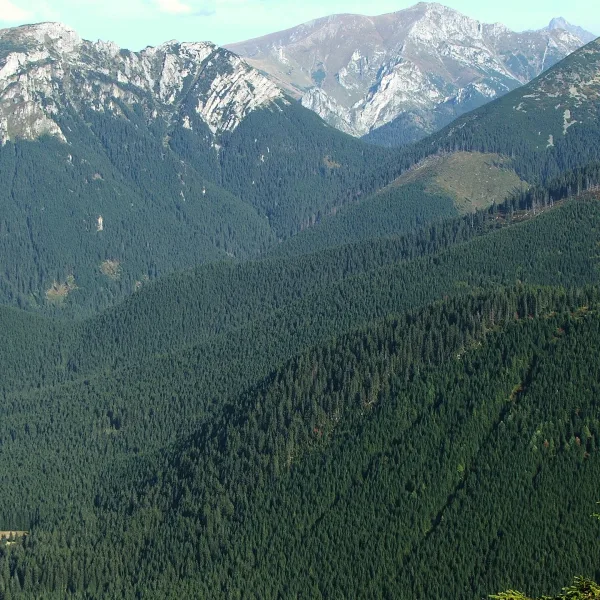
peak in the Low Beskids with a treeless viewing ridge and a monument to partisans
square with the outline of a demolished church, a monument to Skarga and a small fountain
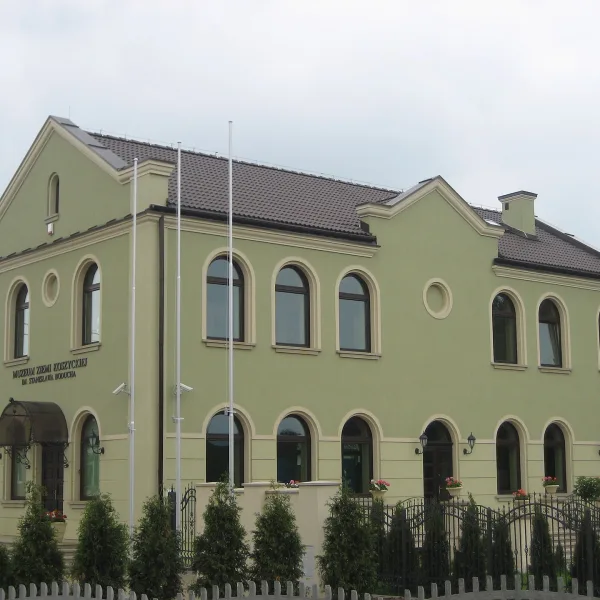
museum in a synagogue from 1935, with archaeology, folk art and 17th-century vestments
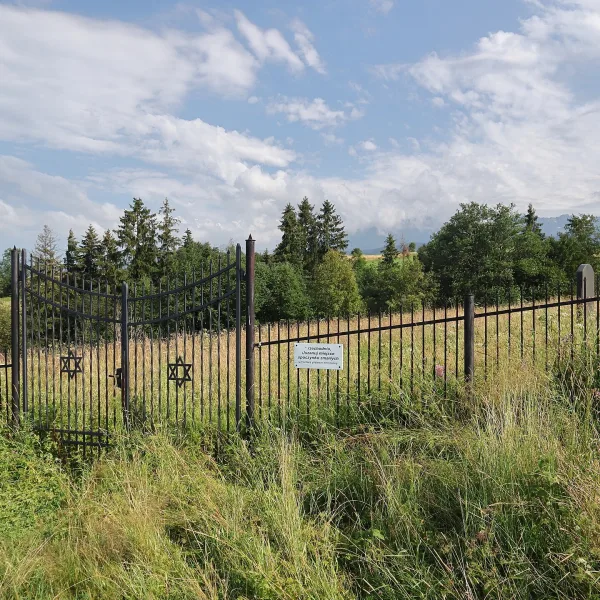
Jewish cemetery opened in 1931, destroyed during the occupation, with a few surviving slabs
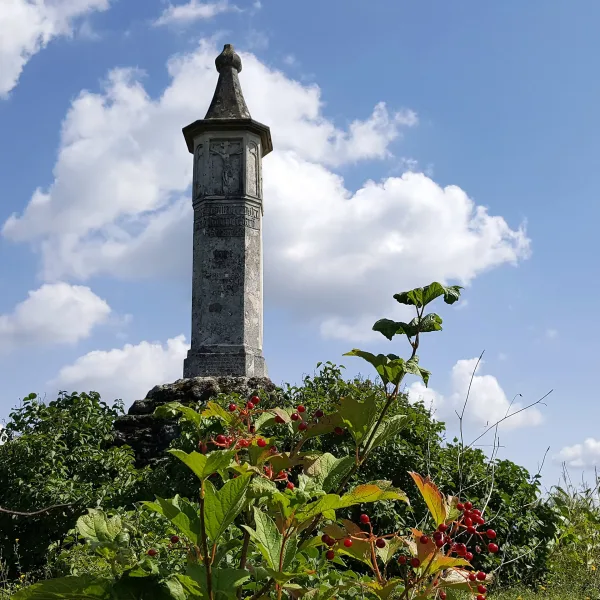
Gothic boundary pillar from 1450, the oldest surviving object of its kind in Poland