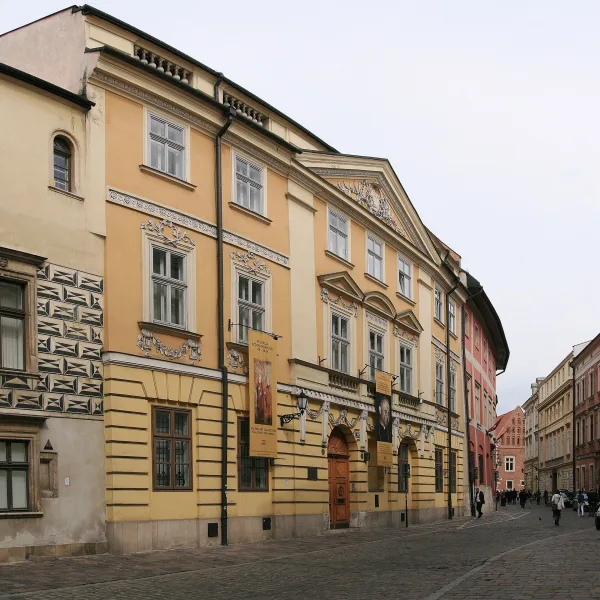
sacred art from the 13th century in the houses on Kanonicza Street, the former home of Karol Wojtyła
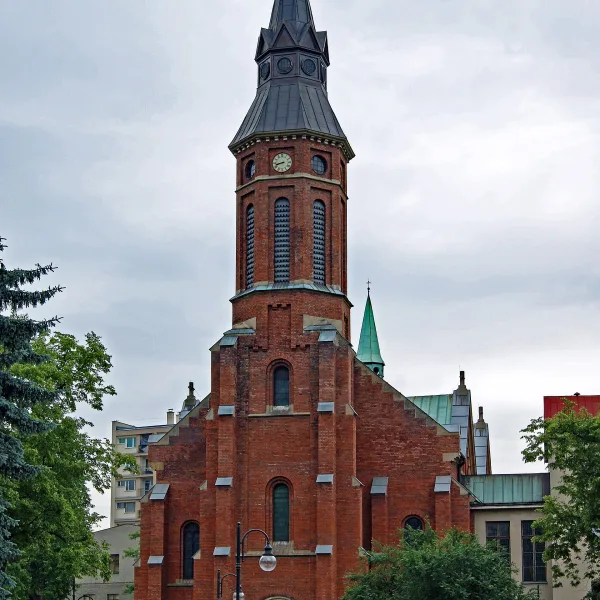
brick church of the Vincentians from 1892-1894, Neo-Romanesque and Neo-Gothic, with an organ by Rieger
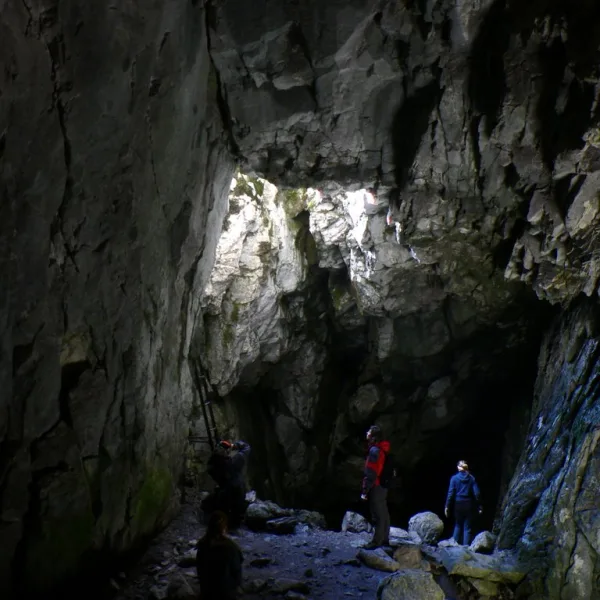
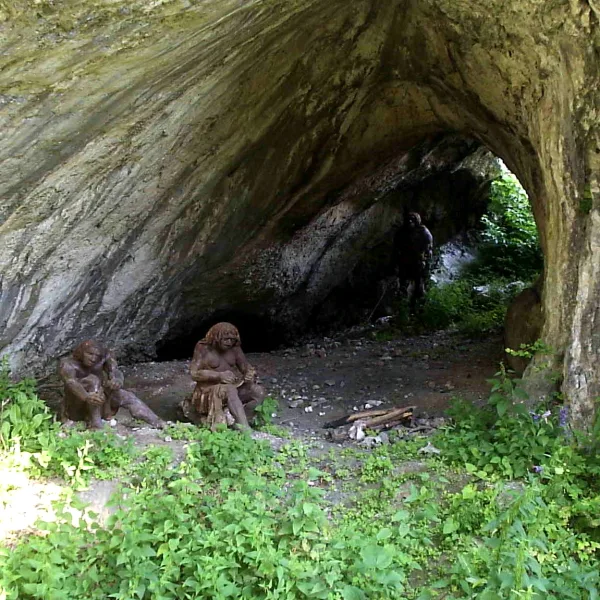
Tatra cave in the Kościeliska Valley with a large chamber, open without a guide
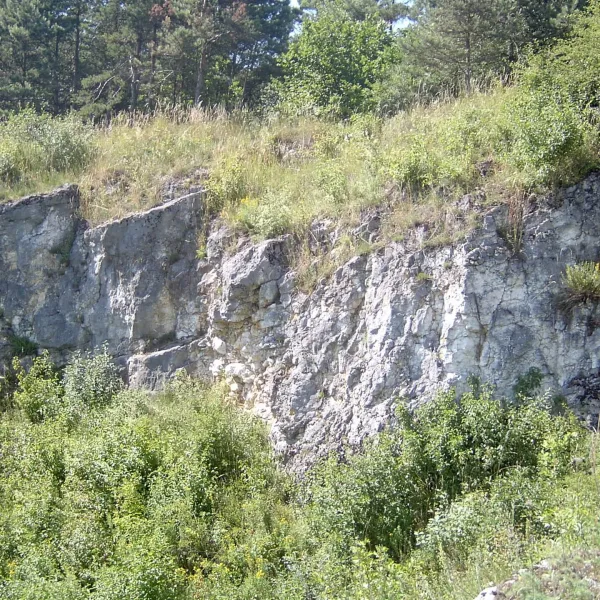
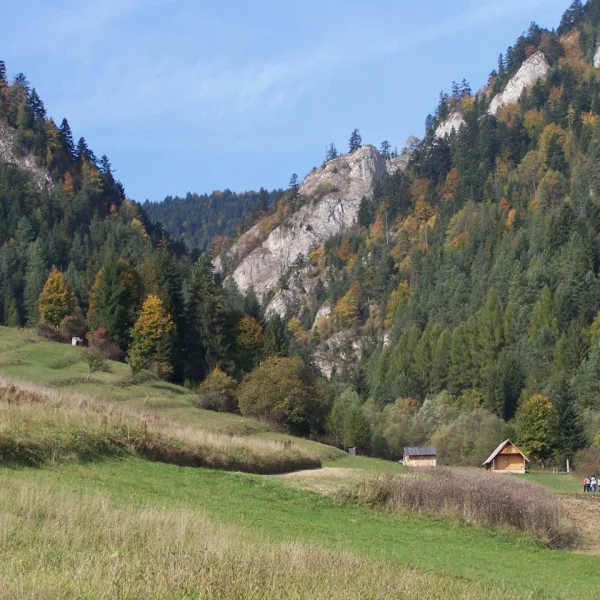
horst of Jurassic limestone with xerothermic grasslands and a geological trail
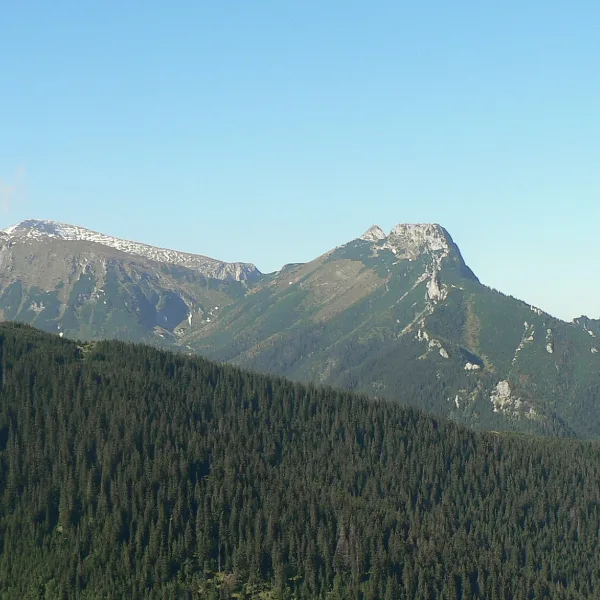
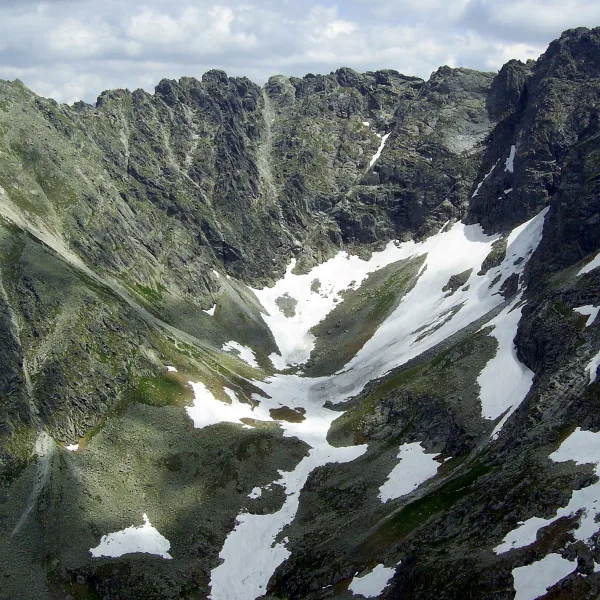
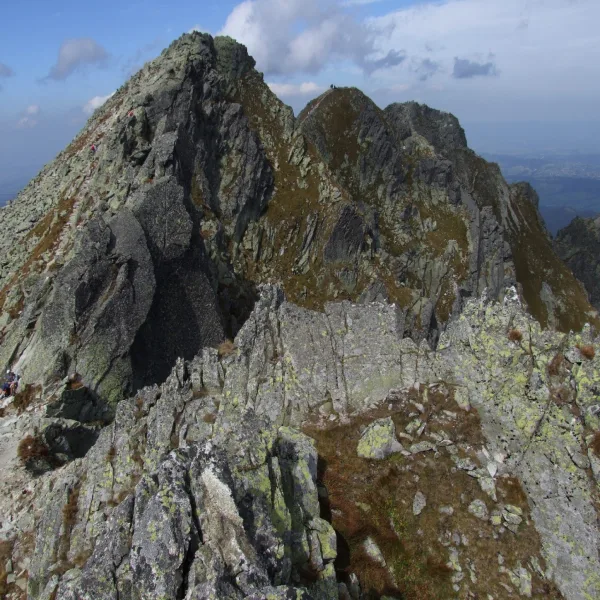
pass at 1,725 m between Kopa Kondracka and Giewont, a junction of two trails
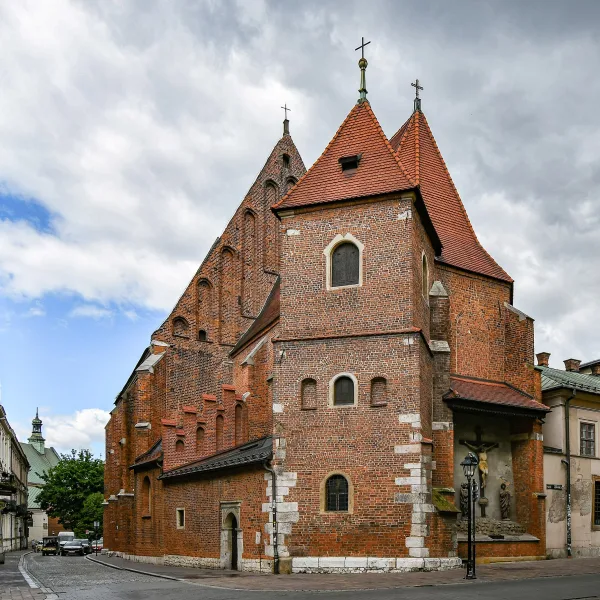
Gothic church of the canons regular from the 13th century with a wooden altar from the early 17th century
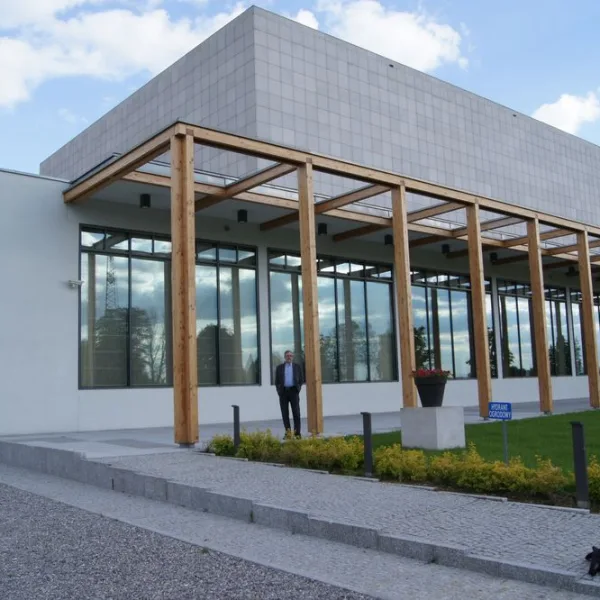
concert hall for 650 people and master classes for young musicians in Lusławice
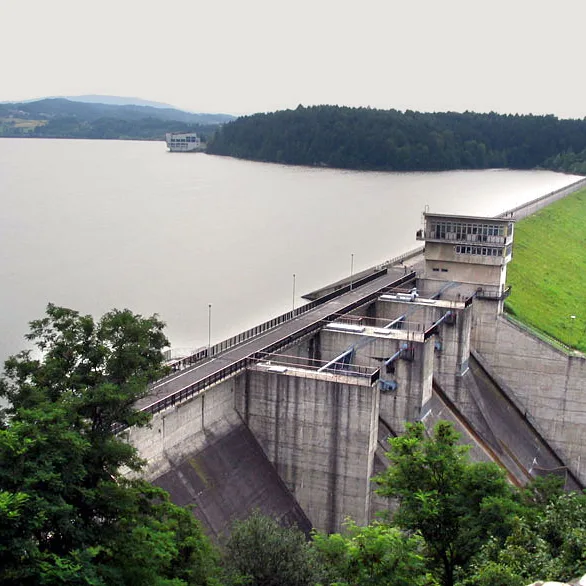
reservoir on the Raba River from 1986, which gives Kraków more than half of its drinking water
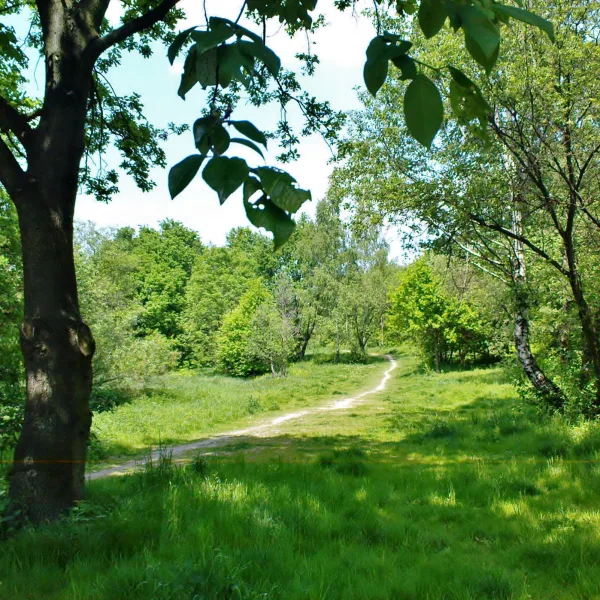
park in the valley of the Bieżanowski stream for the estates of Nowy Prokocim and Nowy Bieżanów
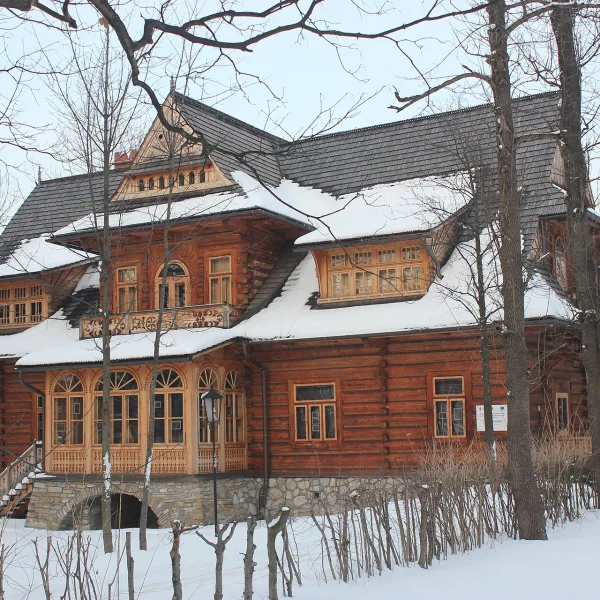
art gallery in Witkiewicz's villa of 1895, a branch of the Tatra Museum
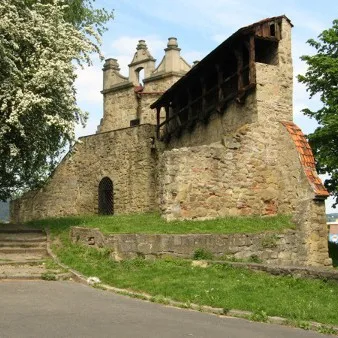
ruins of the castle of Casimir the Great with the Blacksmith's Tower in a park by the Dunajec and Kamienica
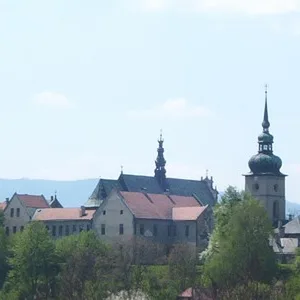
Poor Clares' convent of 1280 where Duchess Kinga is buried, part of a Historic Monument
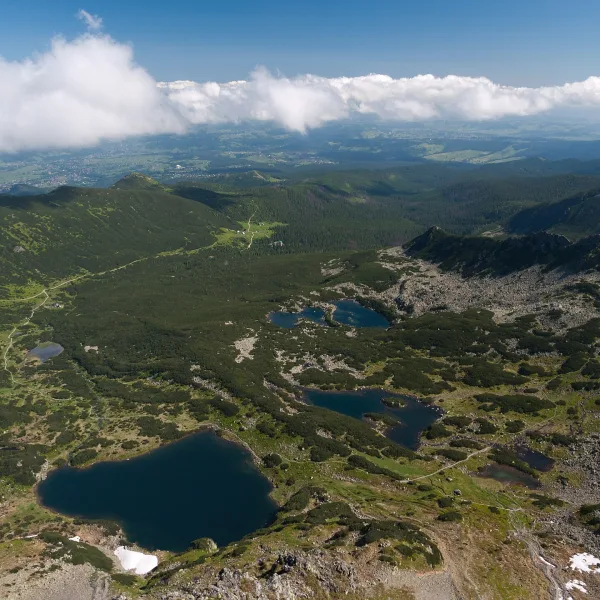
valley with 19 of the 21 ponds of the Gąsienicowa Valley, between Kasprowy Wierch and Świnica
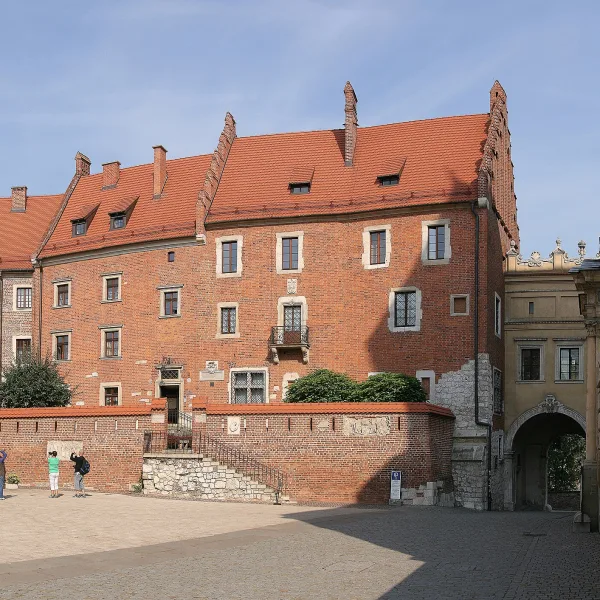
museum in the Cathedral House with regalia, the treasury and a room of mementoes of John Paul II
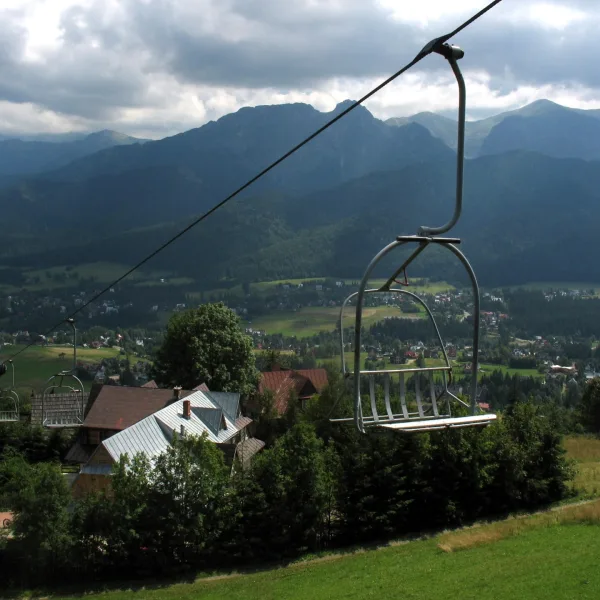
year-round chairlift from Kościelisko to Butorowy Wierch, with views of the Tatras
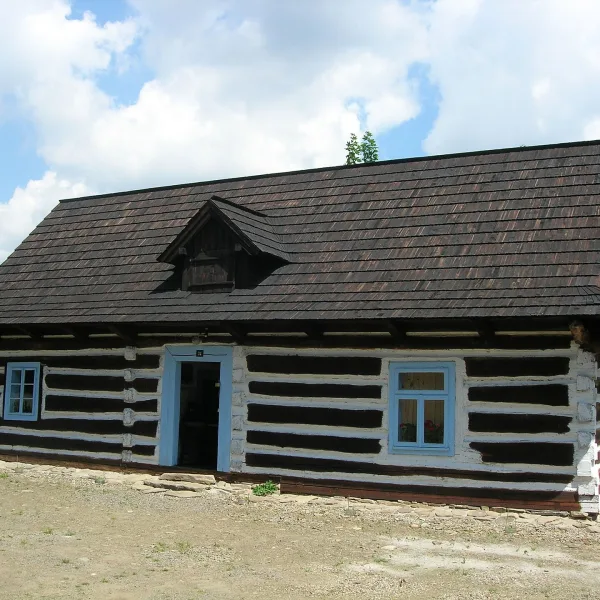
open-air museum about maziarstwo, the lubricant trade on which the Lemko village of Łosie lived
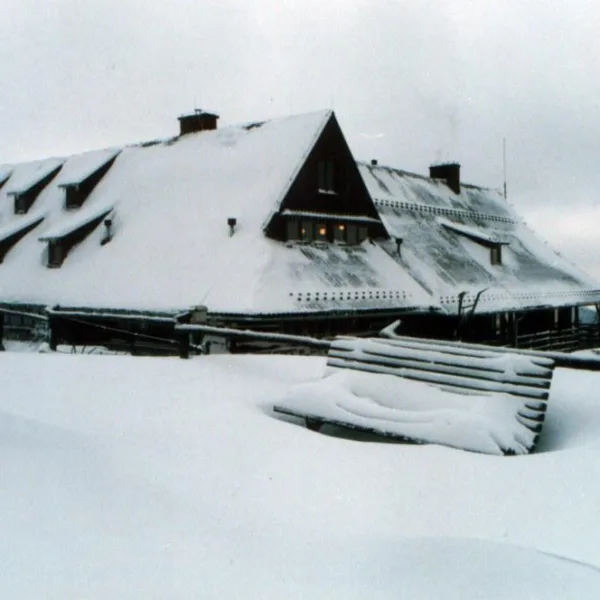
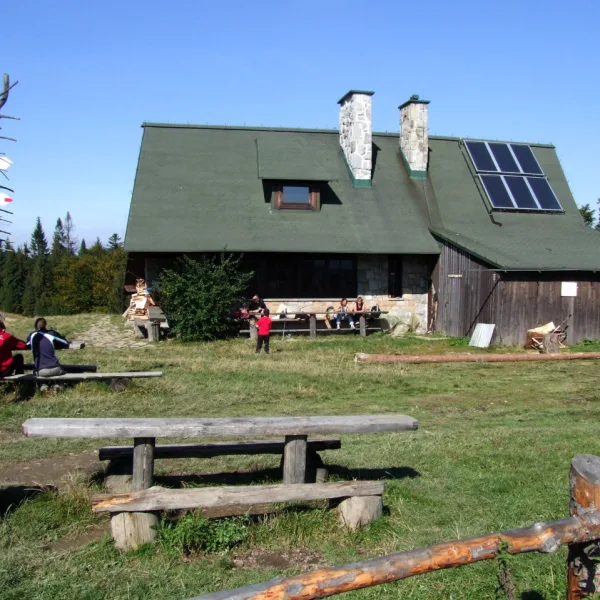
Gorce hut in a clearing at 968 m above sea level with a view of the Tatras and Babia Góra
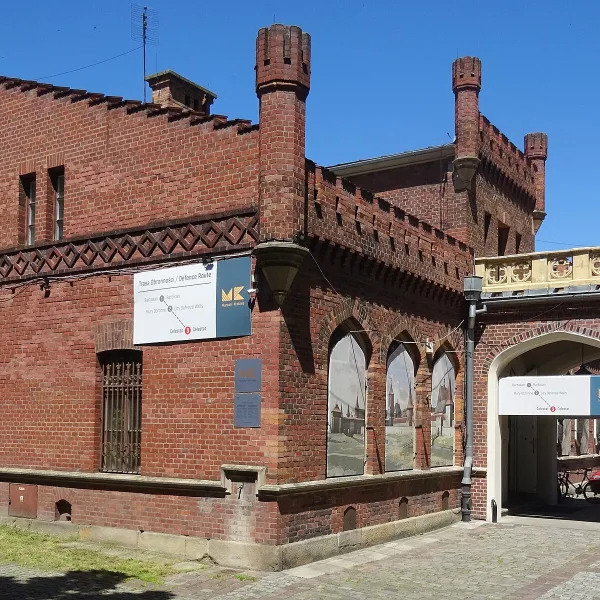
Neo-Gothic palace of the Fowler Brotherhood from 1837 with an exhibition on its history
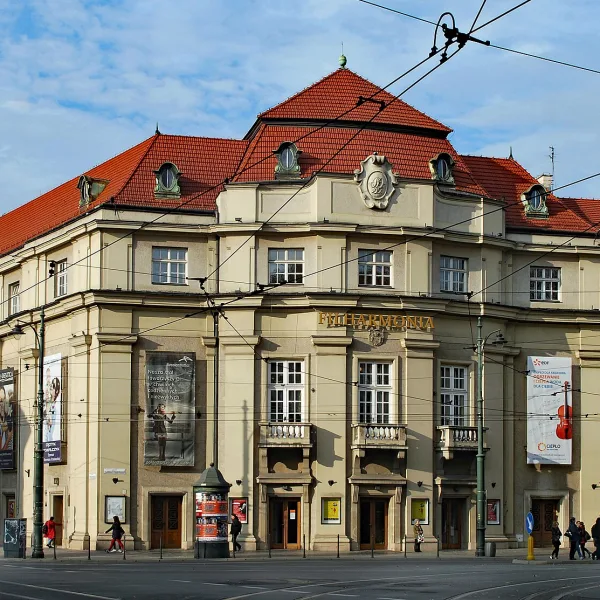
concert hall in a building of 1931, with an Art Deco interior and an organ of 50 stops