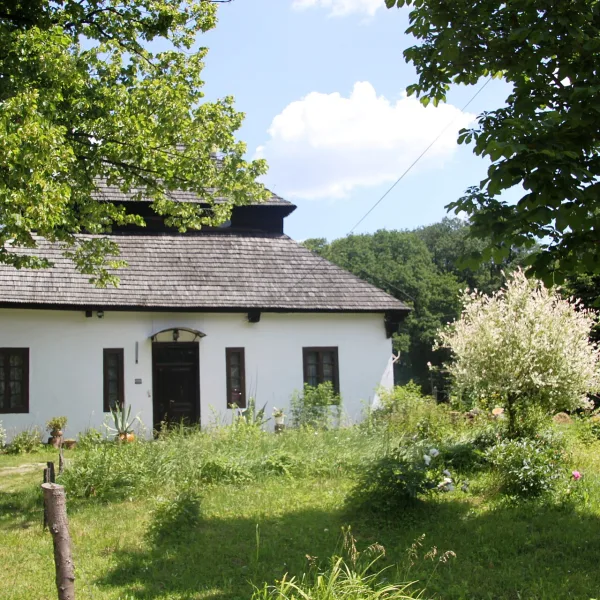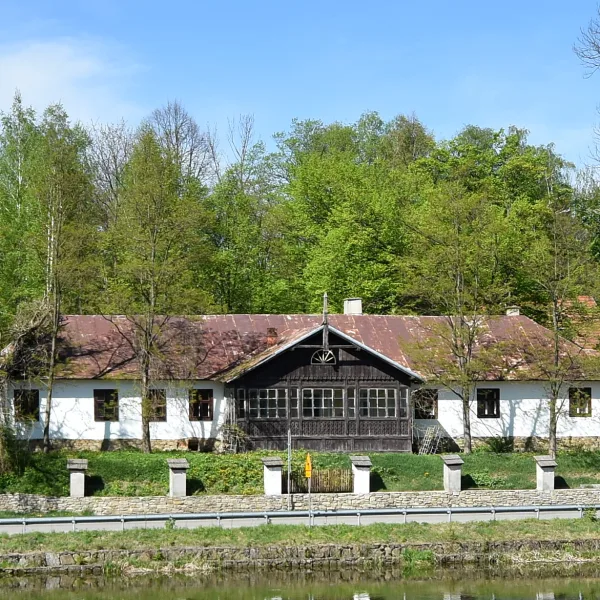
wooden manor house from the 18th century with a portico, an outbuilding, a granary and a pond
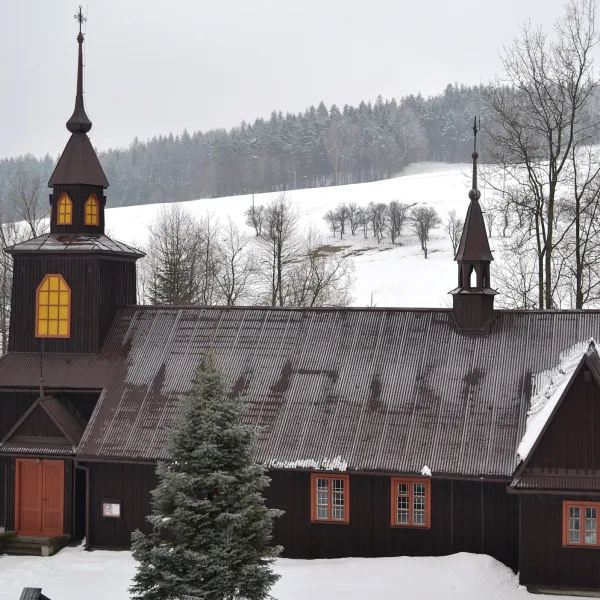
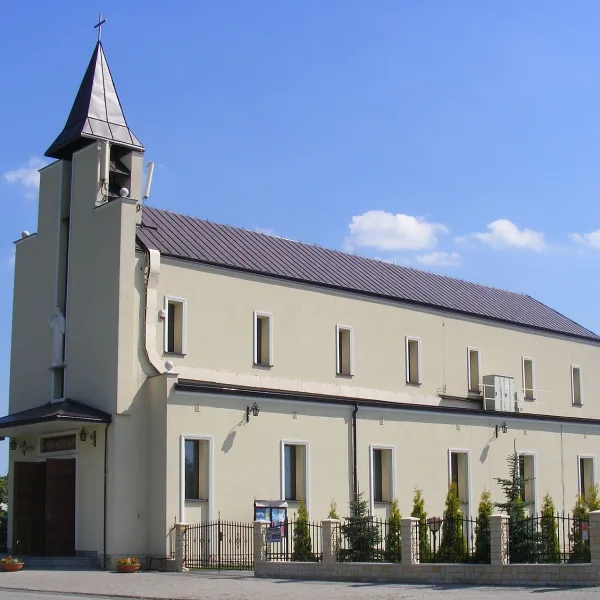
single-nave wooden chapel from 1945, designed by Zdzisław Mączeński
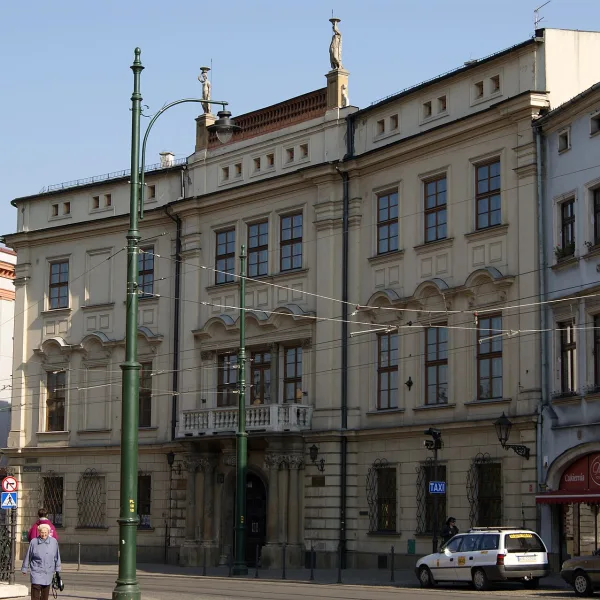
Baroque palace with portals decorated with columns, occupied by the Jagiellonian University law faculty
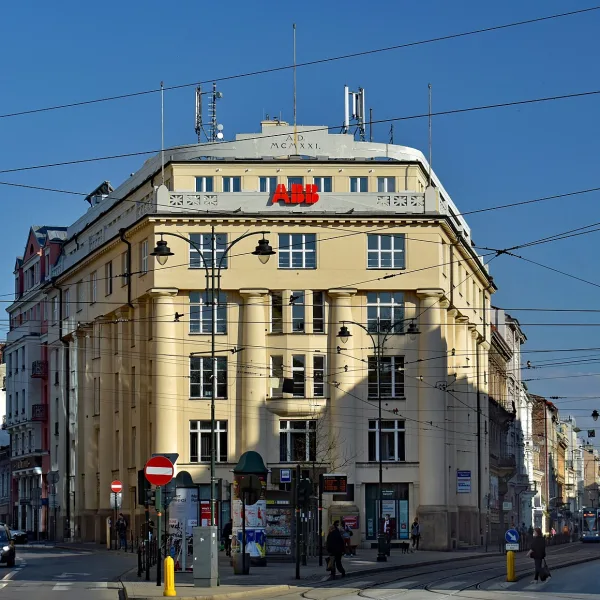
modernist building from the 1920s for the Polish Bazaar, later the seat of Kraków's press
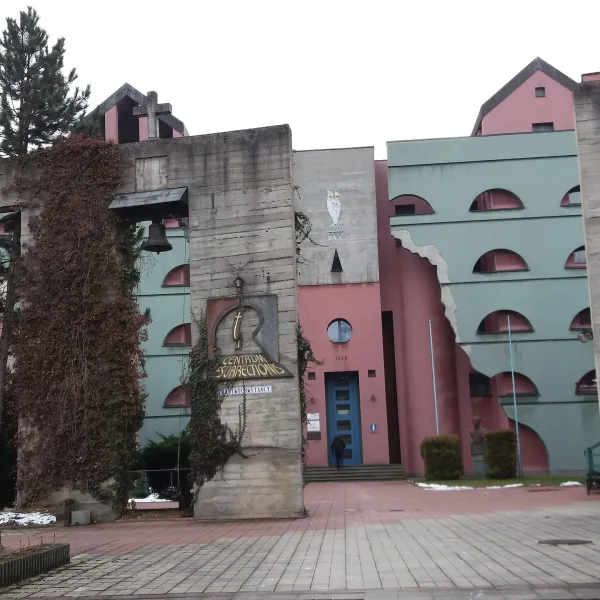
postmodern church of the Resurrectionist seminary, built in 1985-1996
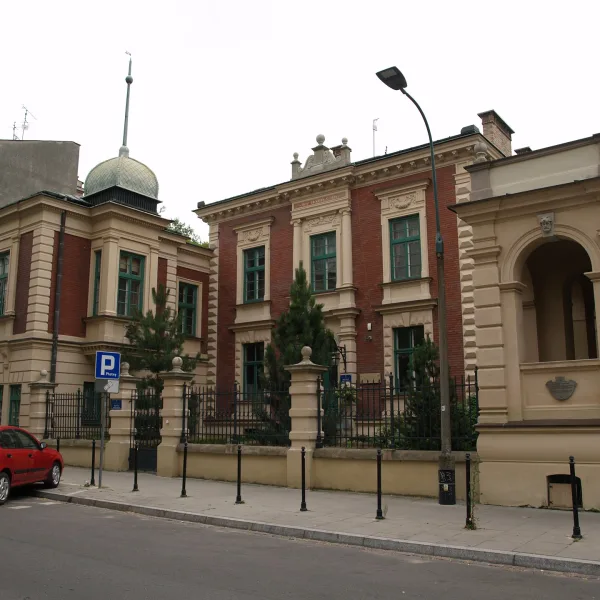
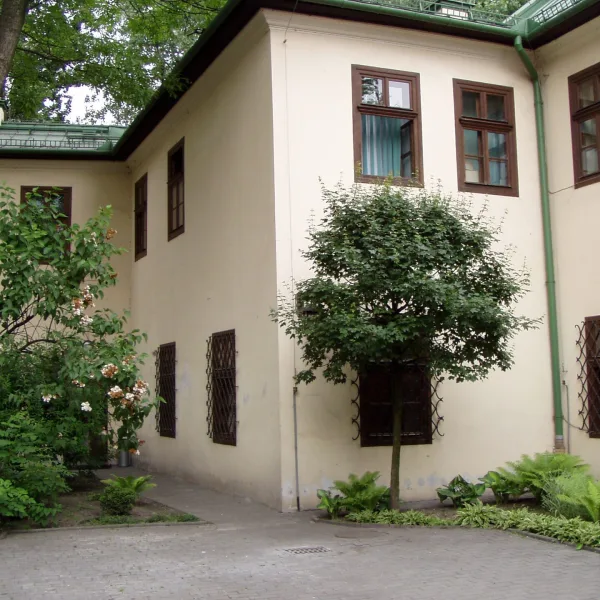
architect's house with a relief of Stańczyk and stained glass by Wyspiański, today owned by a university
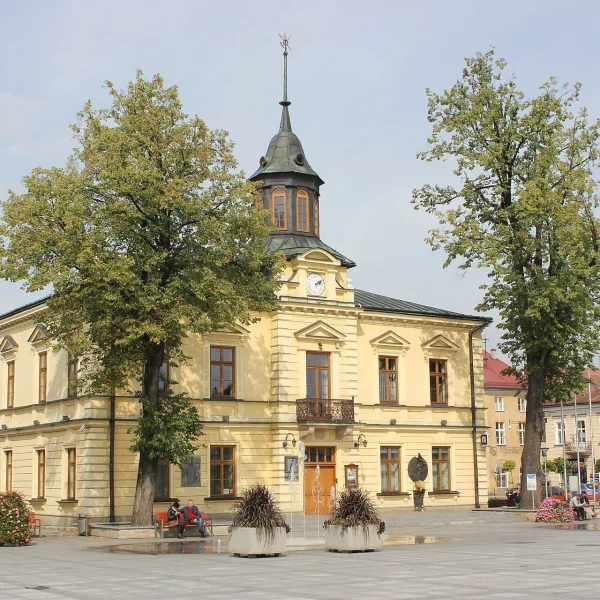
19th-century brick town hall with a tower topped by a helmet roof, home of a museum
ridge 265 m above sea level above the Vistula and the Serafa, with a monument to the fighting of December 1914
single-nave church from 1991-1992 in Tonie, with relics of St Stanislaus from Wawel
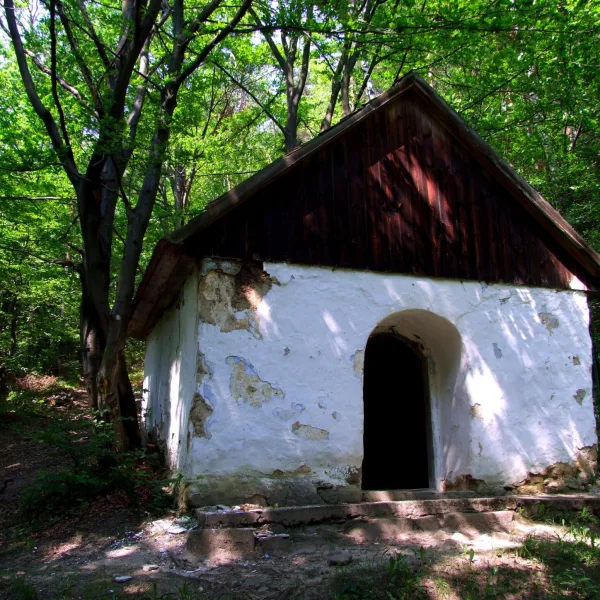
chapel by a spring on the slope of Bukowiec with a Baroque altar and a legend of a hermit
interwar prayer house of the Radomsko Hasidim in a courtyard on Ciemna Street
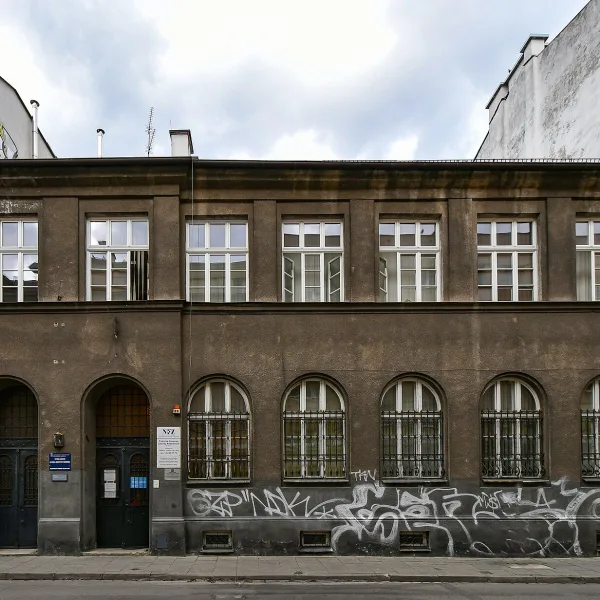
former synagogue from 1914 designed by Henryk Lamensdorf, today a university building
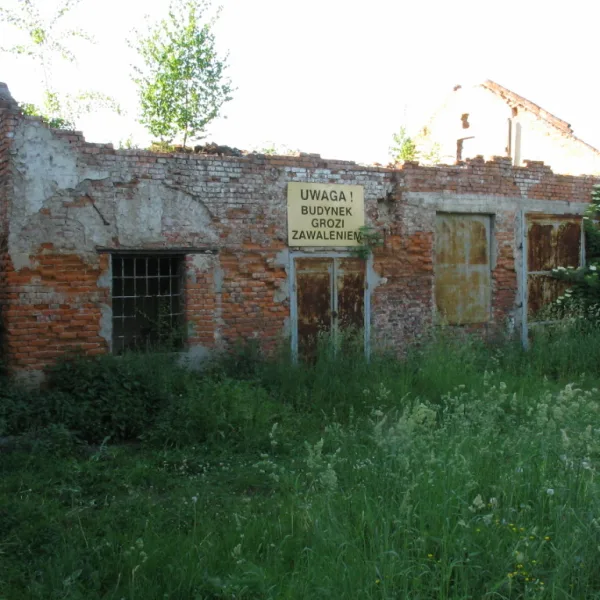
ruin of a Jewish women's prayer house and cheder from the early 19th century
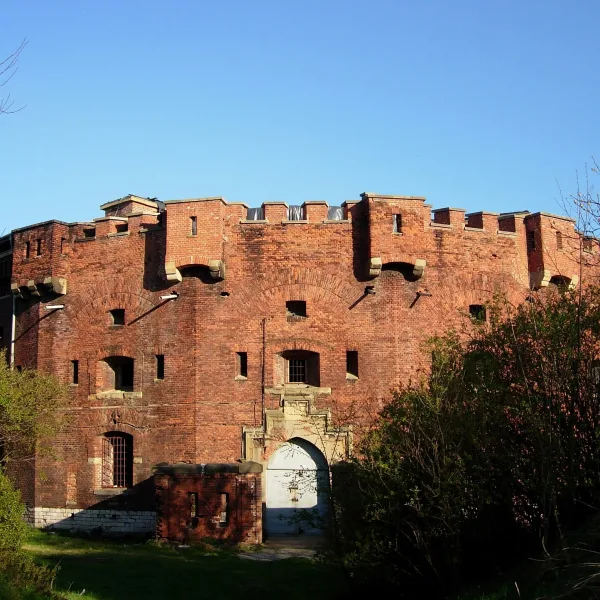
fort from the 1850s in Podgórze, a place of detention for prisoners of war during the war, later a residential building
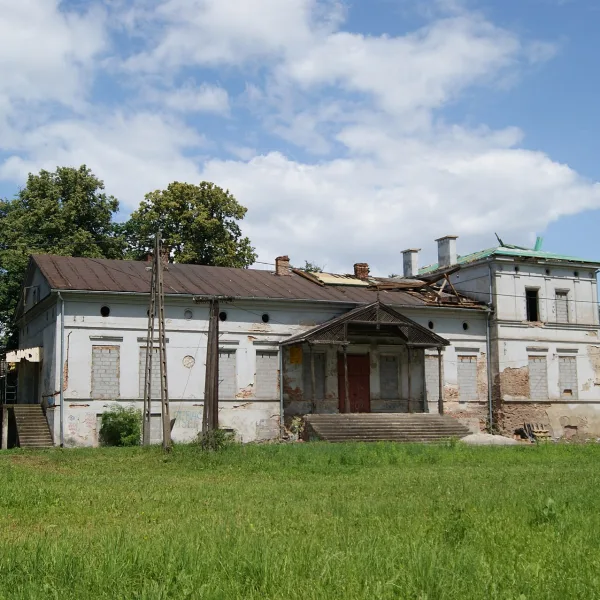
a brick manor house from 1863 in an English-style park, formerly the seat of the Popiel family
wooden Baroque manor house from before 1677 with a polychrome chapel and a park
keepsakes of the Małkowski family and the history of Podhale scouting in the Czerwony Dwór villa
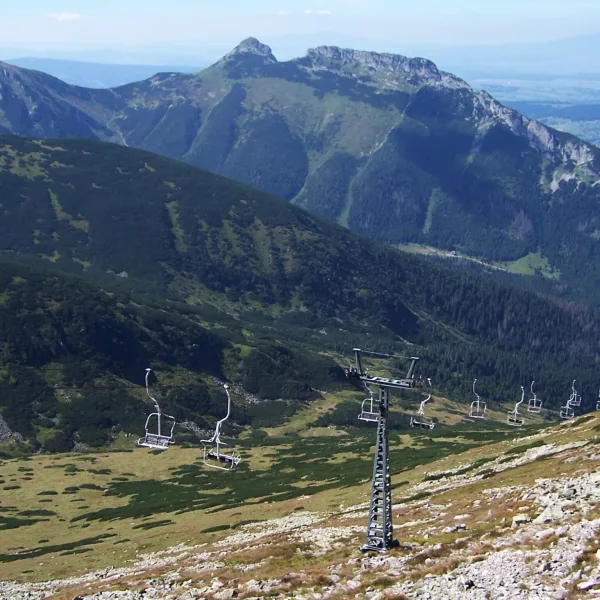
peak in the Low Beskids with a treeless viewing ridge and a monument to partisans
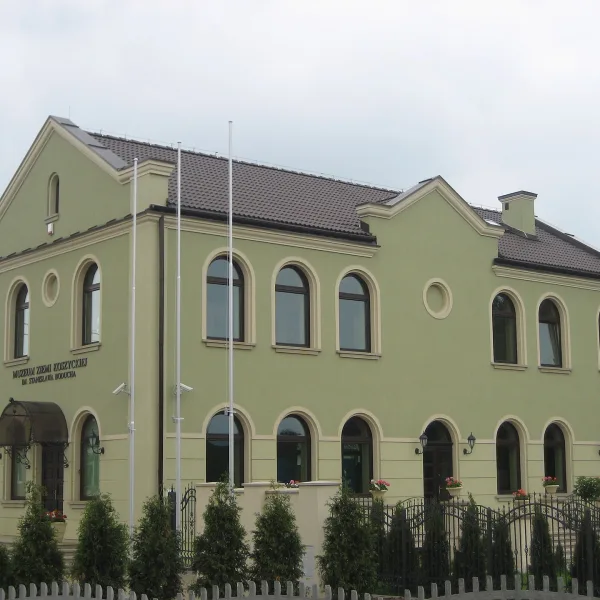
museum in a synagogue from 1935, with archaeology, folk art and 17th-century vestments
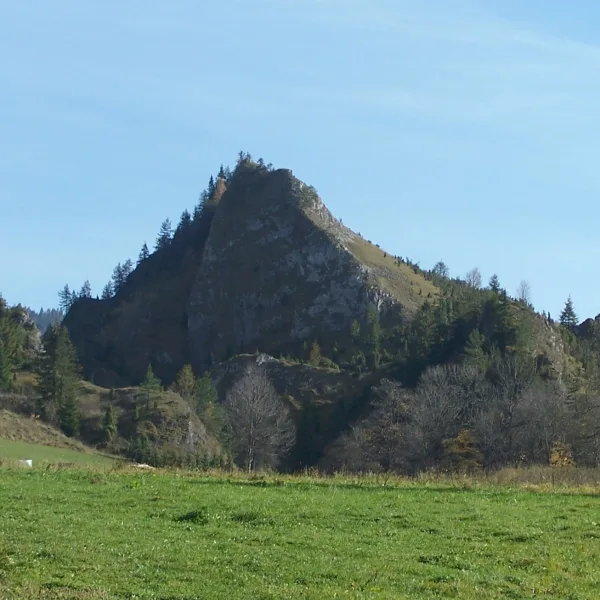
ridge of limestone rocks in the Little Pieniny with Tatra plants on its north face
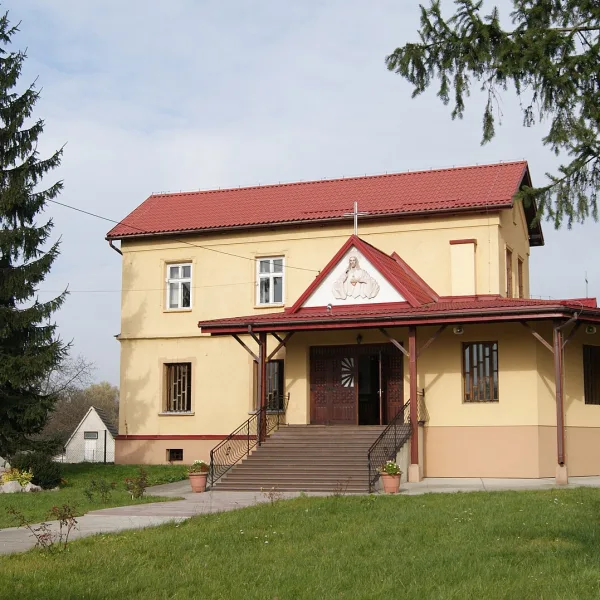
church in Lubocza that grew out of a Norbertine chapel, with a Lourdes grotto
church from 1989-1996 with a foundation stone blessed by John Paul II