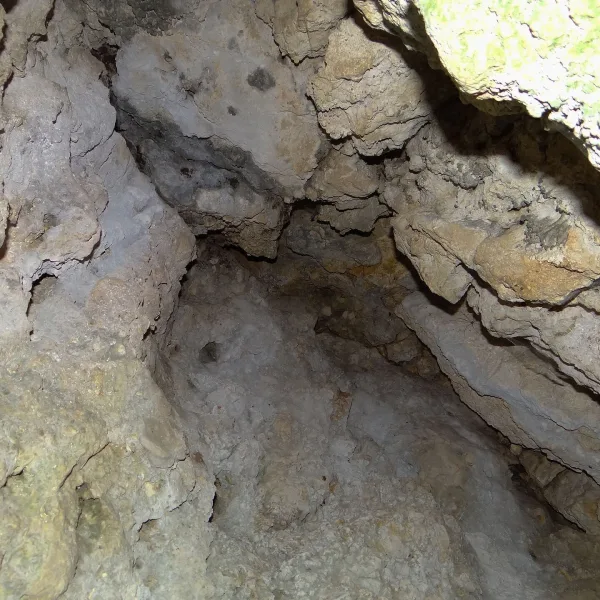
an eight-metre cave in the Jurassic limestone of Panieńskie Skały in the Wolski Forest
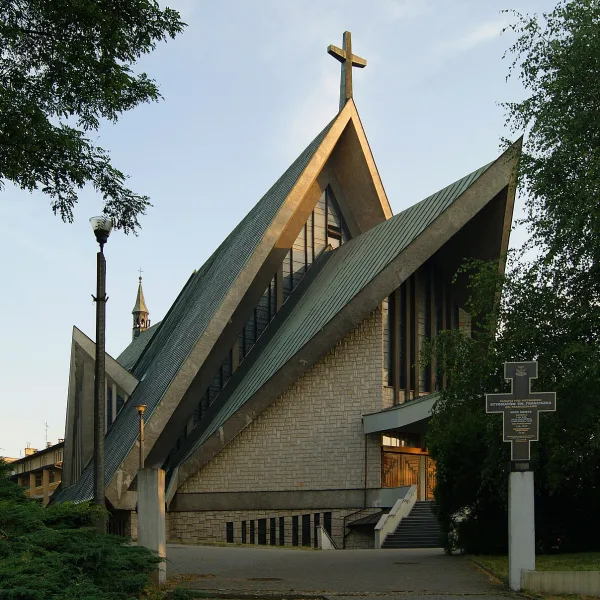
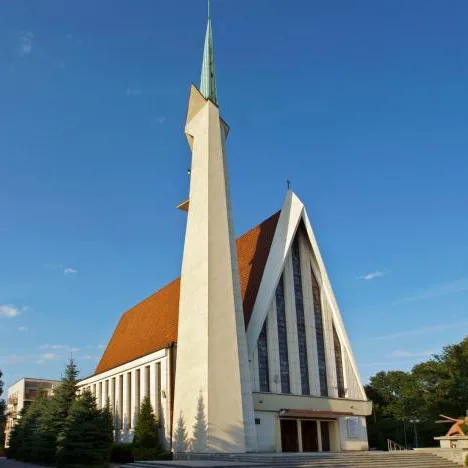
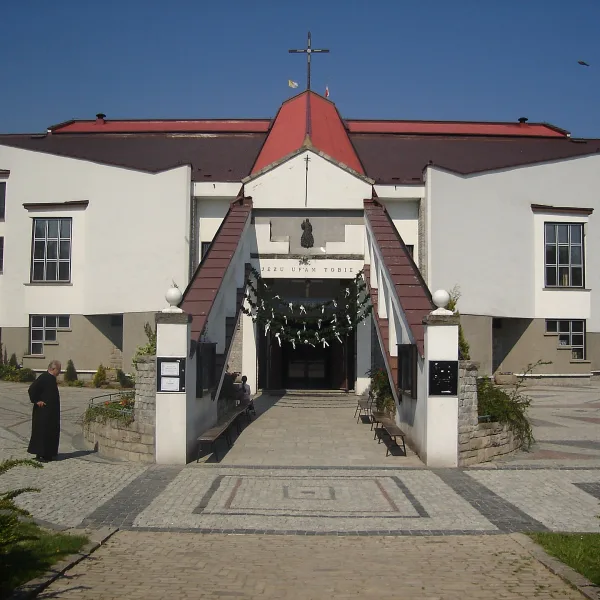
postmodern Franciscan church with a foundation stone from Karol Wojtyła
parish church from 1830-1835 with monuments to St James and St Stanisław Papczyński
single-nave academic church consecrated in 1948, a former parish church
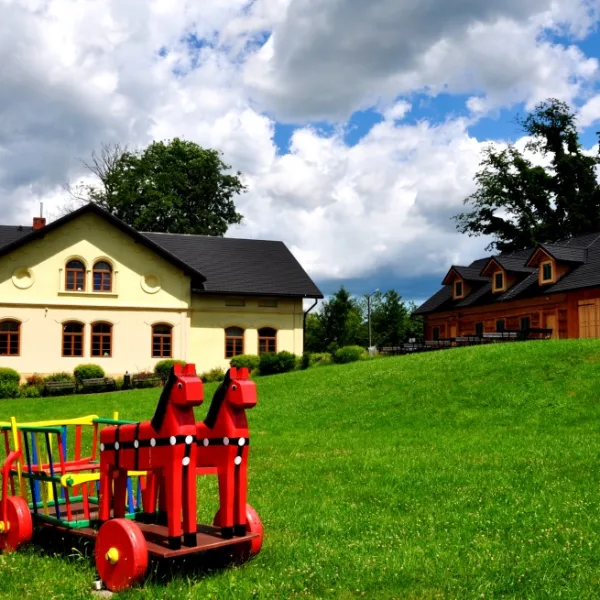
exhibition and workshops on the wooden toy, a park of large folk toys in Stryszawa
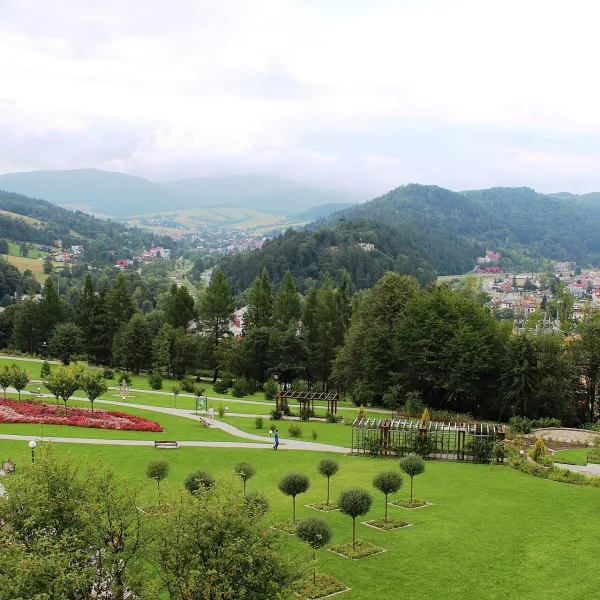
spa park as a garden of the senses, with a cascading stream, ponds and an 11.5 m viewing tower
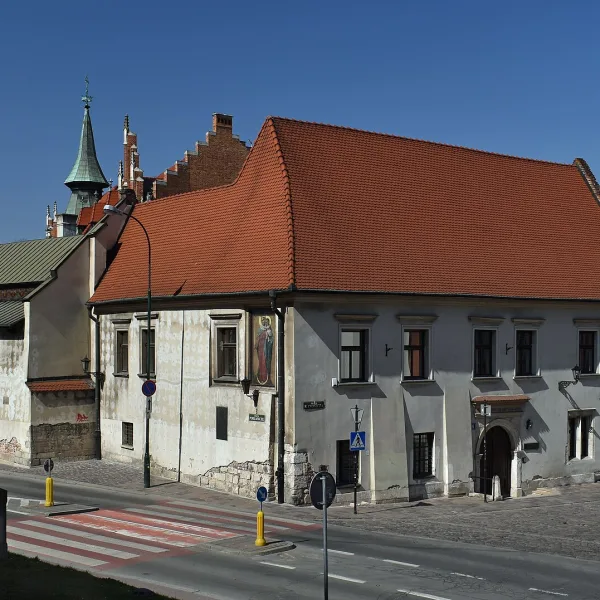
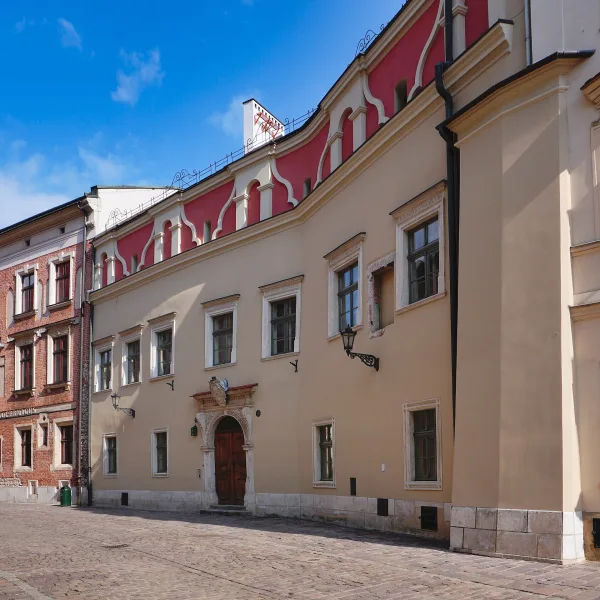
Gothic canons' house at the foot of Wawel, where the chronicler Jan Długosz lived and died
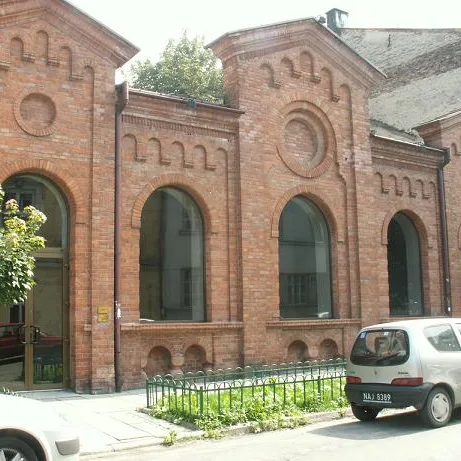
contemporary art gallery with the Kraków Group and geometric abstraction in a former house of prayer
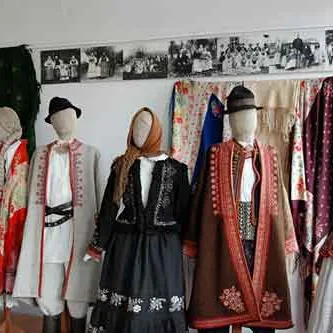
regional ethnographic museum with Podegrodzie costumes, a branch of the Sądecka Land Museum
parish church in Piaski Nowe, blessed in 1997 and consecrated in 2003
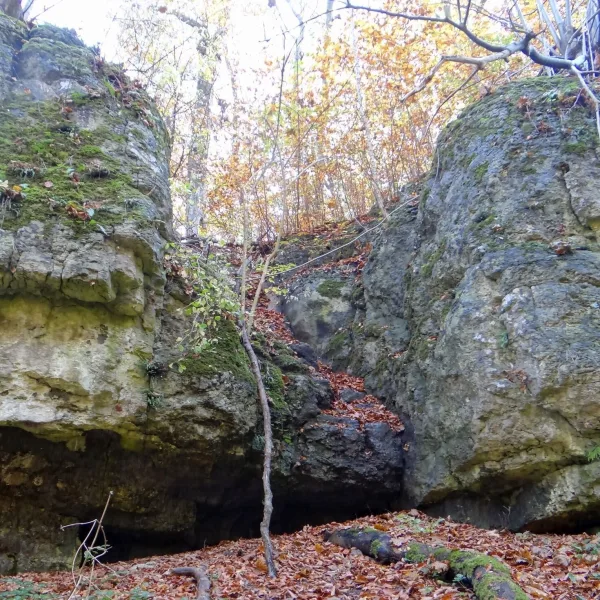
a small rock shelter in the Jurassic limestone of Panieńskie Skały in the Wolski Forest
church from 1988-1999 on the Nowy Prokocim estate, with an organ in the style of French Romanticism
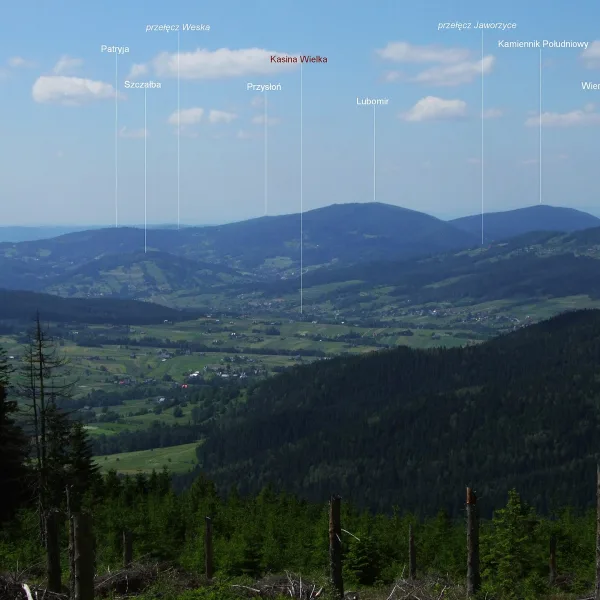
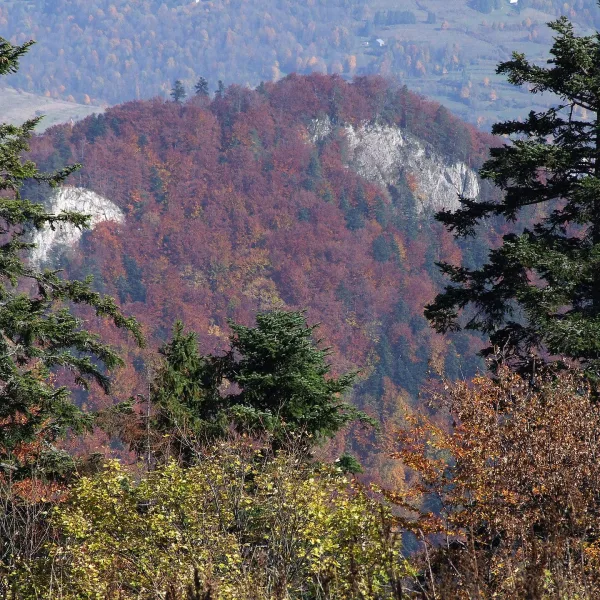
wooded summit of the Lubomir and Łysina Range with an astronomical observatory, rebuilt in 2007
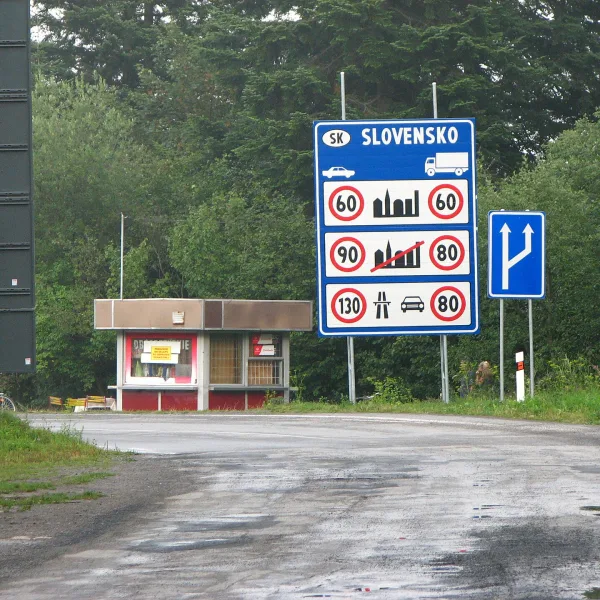
pass on the Polish-Slovak border, a former border crossing, next to Bar Confederate trenches
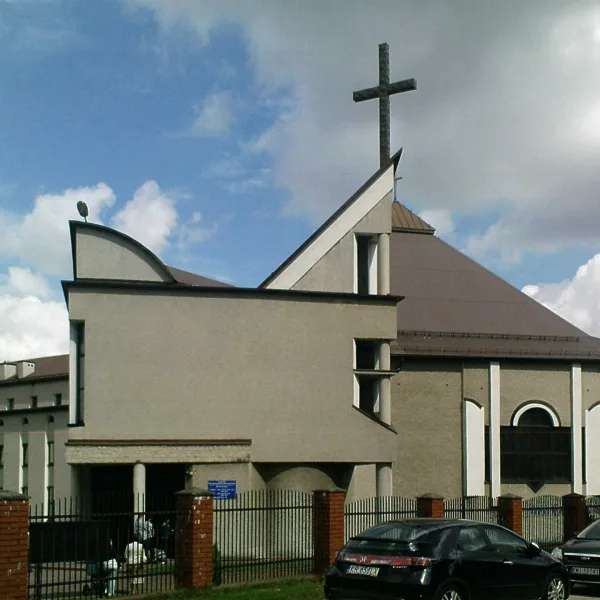
postmodern parish church in Kurdwanów, consecrated in 2001
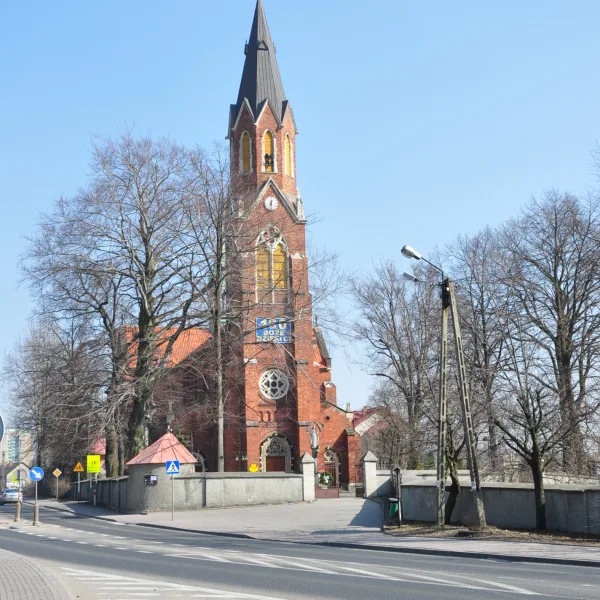
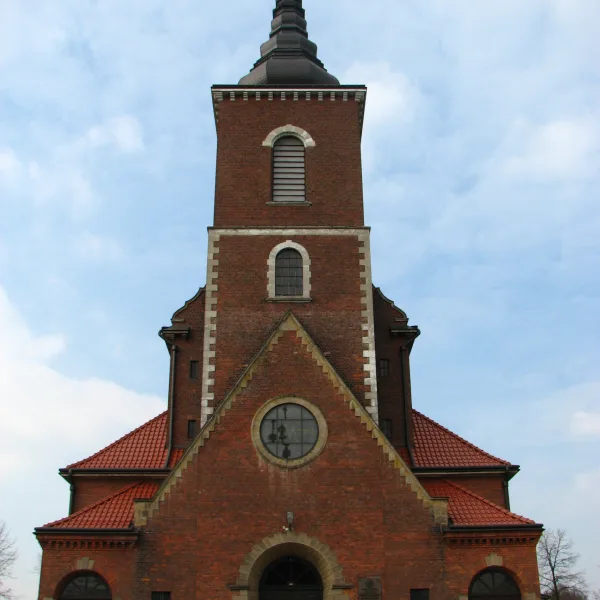
brick church by Teodor Talowski from 1904-1911 with an altar modelled on the one by Veit Stoss
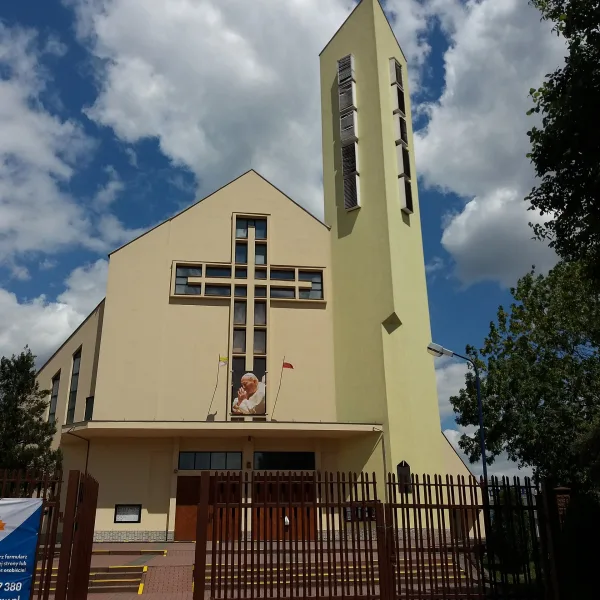
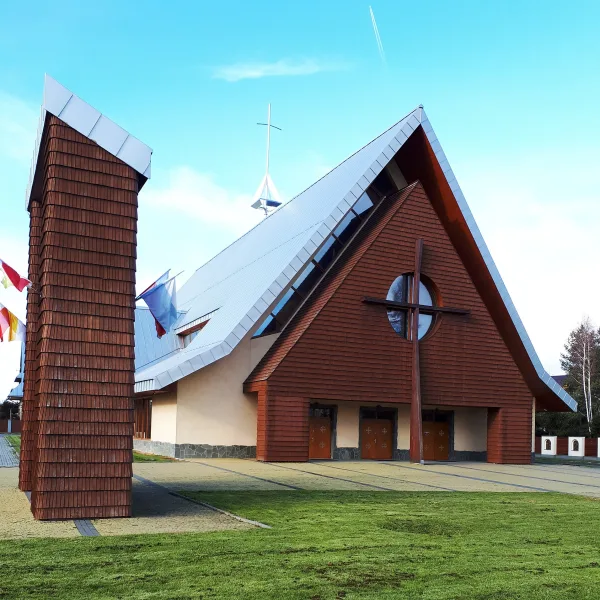
sanctuary of St John Paul II on Równia Szaflarska, the first passive church in the world
historic church from 1932-1934 with a mosaic altar and the Stations of the Cross in stained glass
post-war church by Bogdan Treter, consecrated in 1966 by Karol Wojtyła
the second summit of the Pieninki, with Sokola Perć, a cliff above the Dunajec and a viewpoint over the gorge
medieval bishop's townhouse on Kanonicza with a courtyard decorated with sgraffito
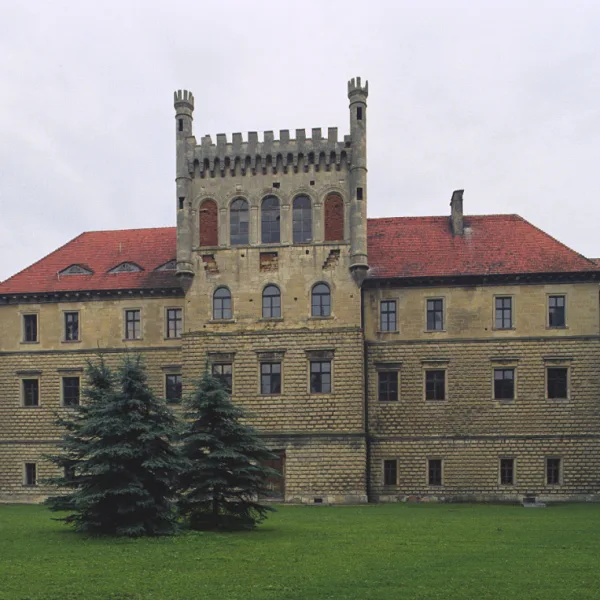
16th-century Renaissance residence of the Myszkowski family, today the seat of schools in Książ Wielki
basilica-type church from 1961 with a Pietà and a procession of Polish saints by Bronisław Chromy
private executioner's museum in a 15th-century cellar, with more than a hundred instruments of torture and guided visits