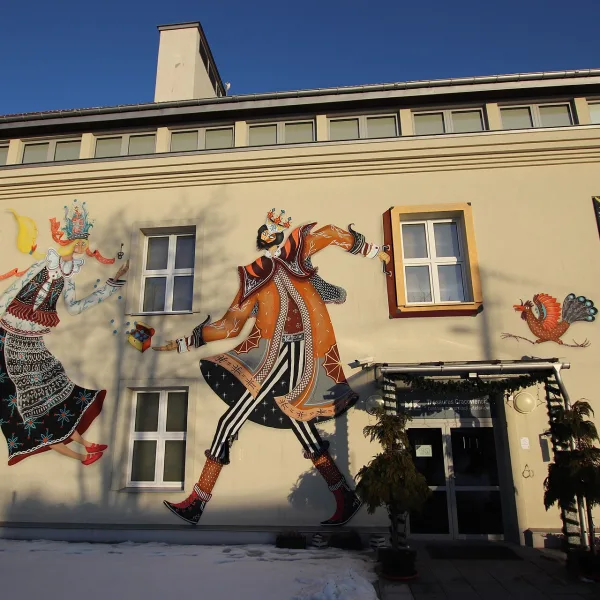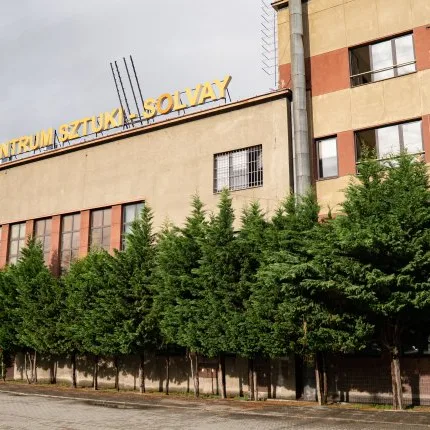
galleries and a performance hall with exhibitions, concerts and a theatre festival in Łagiewniki
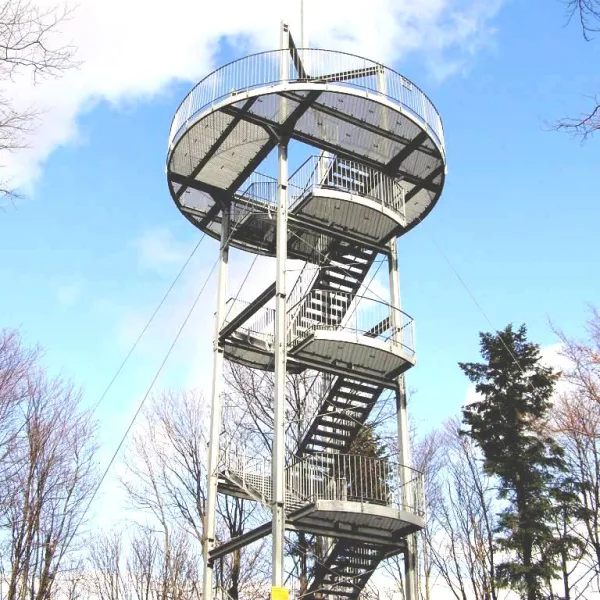
18-metre wooden viewing tower with a panorama of the Beskids, Babia Góra and the Tatras
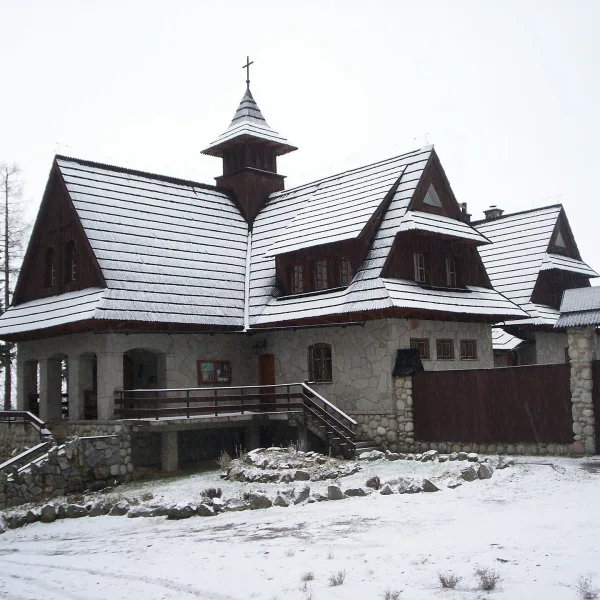
Albertine hermitage on the wooded ridge of Kalatówki, founded in 1902 by Brother Albert
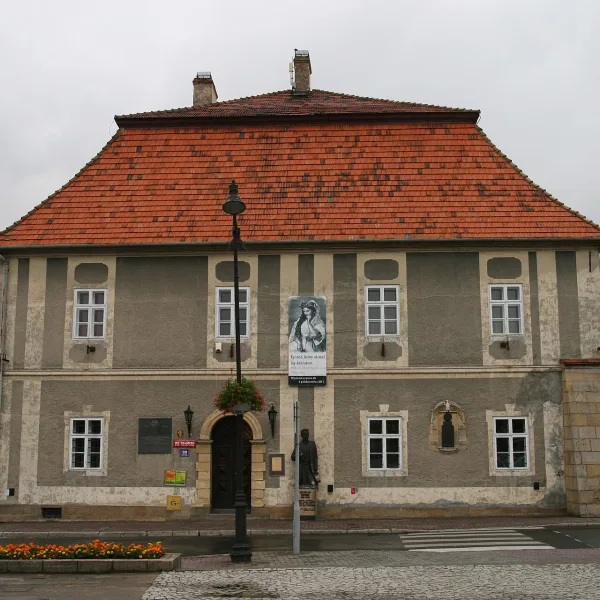
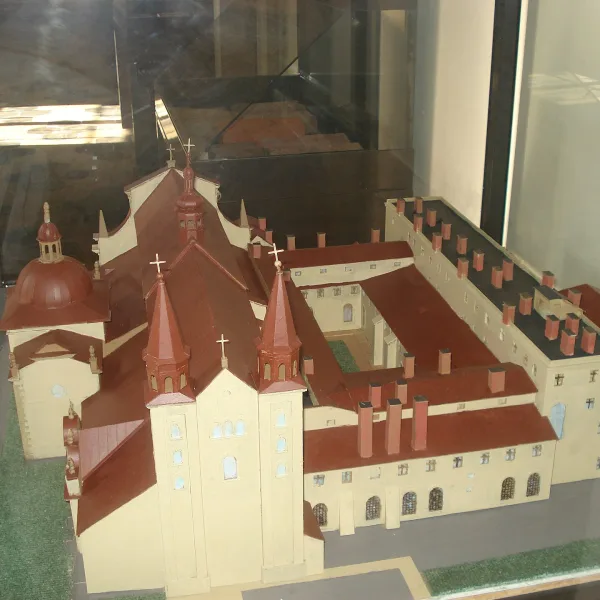
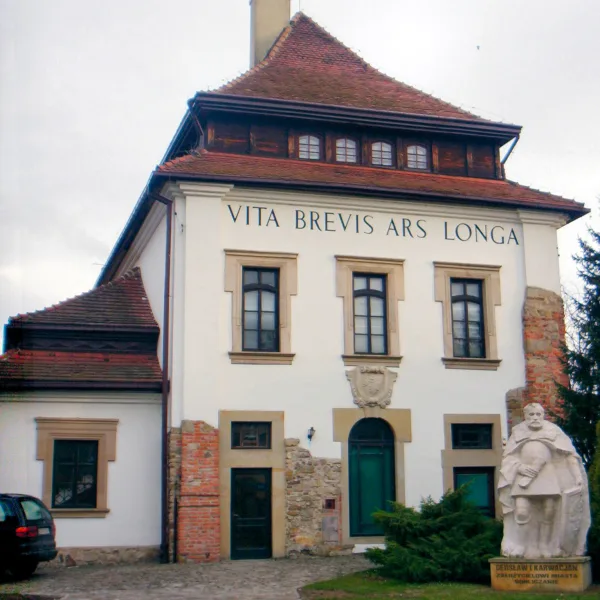
museum in a former Dominican monastery with collections on the history of Bochnia, ethnography and art
monastery museum with early printed books and liturgical objects, visited by appointment
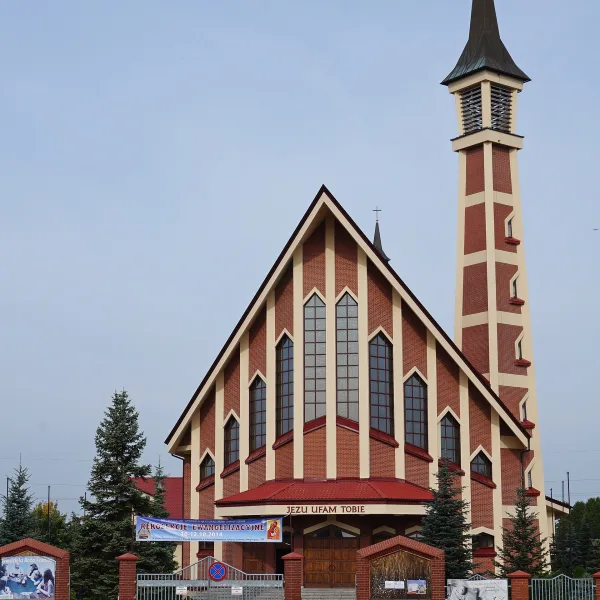
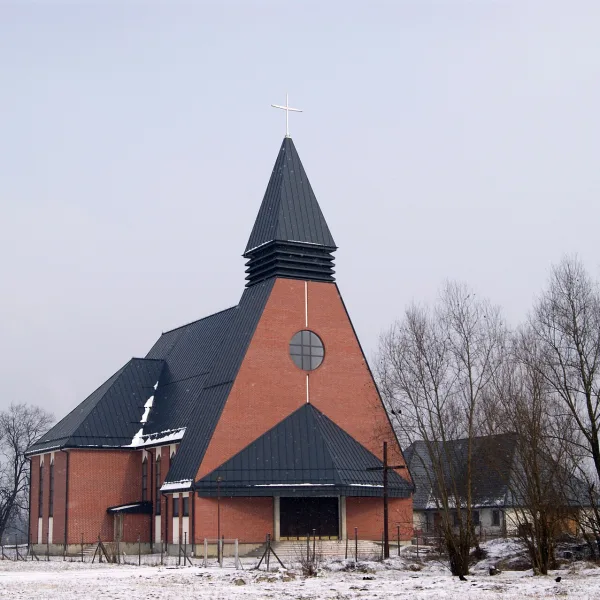
modern brick parish church from 1994-2001, with a single nave and one tower
highest peak of the Lubań Range in the Gorce with a viewpoint clearing and a 22-metre tower
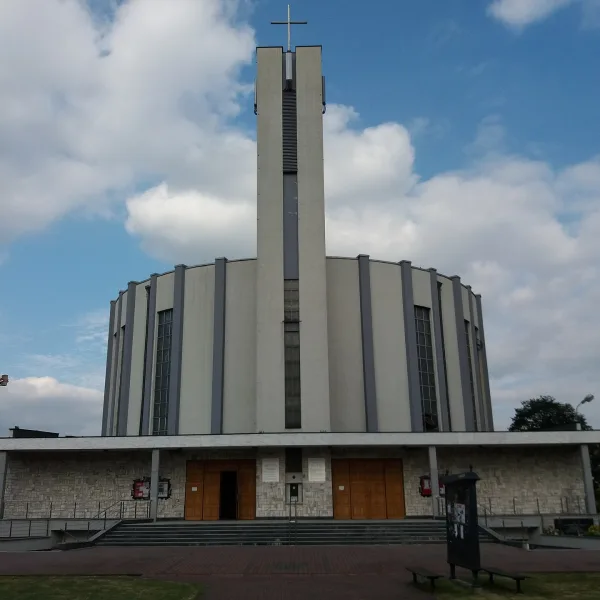
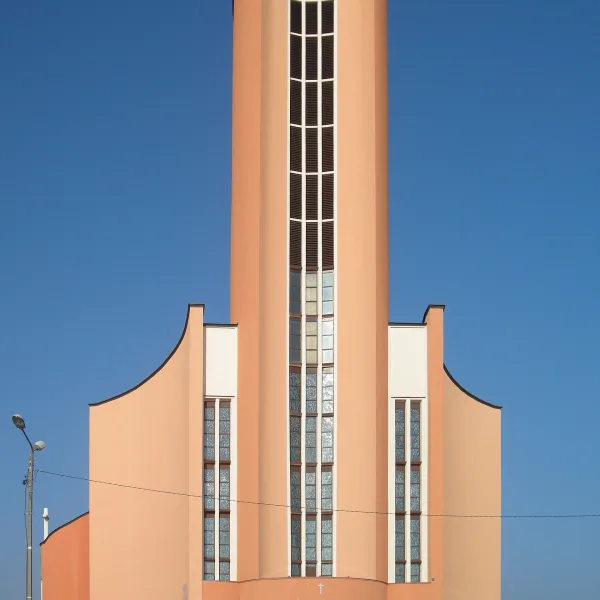
parish church from 1986-1988 in Kraków's Prądnik Biały, on Pasteura Street
collections store and conservation workshops of the Museum of Kraków, visited with a guide
east-west cycling axis of Lesser Poland from Jawiszowice through Kraków to Szczucin
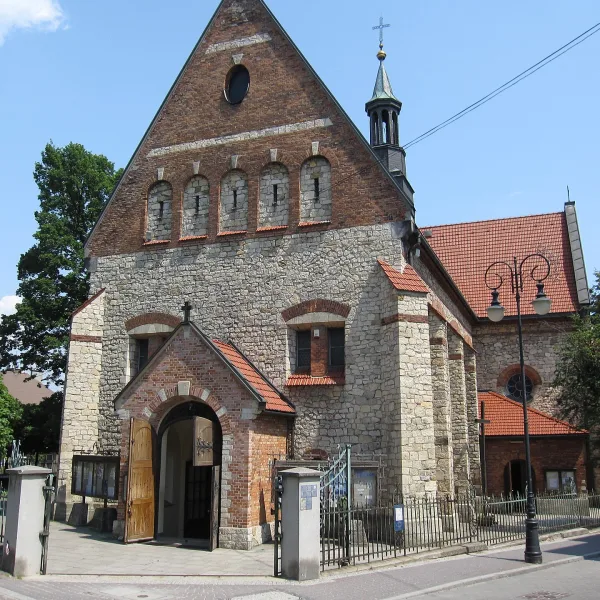
Gothic chancel from the 13th/14th century, a rebuilding of 1912-1914 and the crypts of Chrzanów's owners
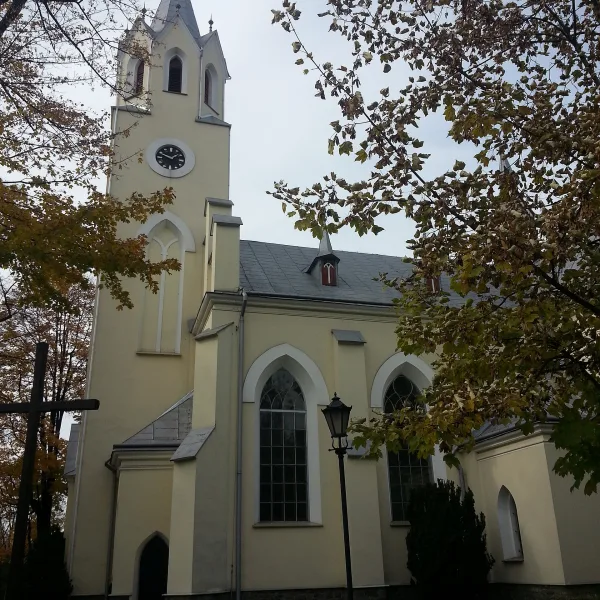
Neo-Gothic church from 1882-1892 of Pieniny stone and brick, with polychrome decoration from 1923
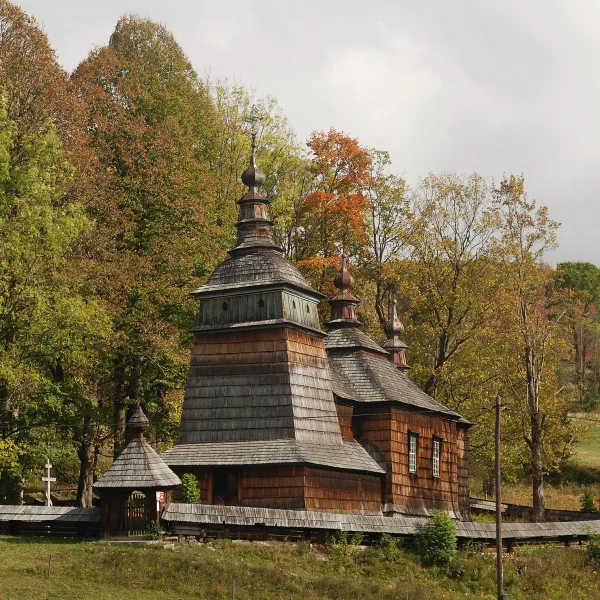
former Greek Catholic tserkva from 1842 with a late Baroque iconostasis, today a museum
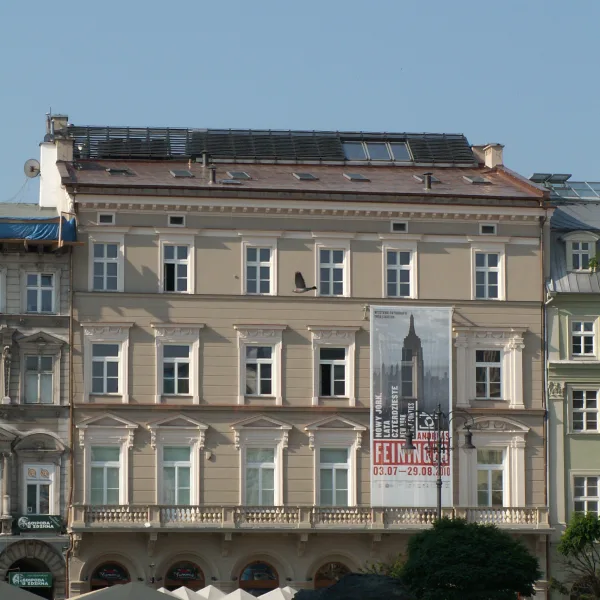
gallery with exhibitions of 19th- and 20th-century art and architecture in the Pod Krukami tenement house
church with a lower and an upper church, at whose foundations a beatification took place in 1987
Lesser Poland museum with branches in Gorlice, Szymbark and Łosie, and a tserkva in Bartne as an affiliate
wax figures of politicians, sportspeople and actors on Krupówki, with a parrot house and a hall of mirrors
brick church of the Sacred Heart Fathers in Płaszów, built from 2003 and consecrated in 2012
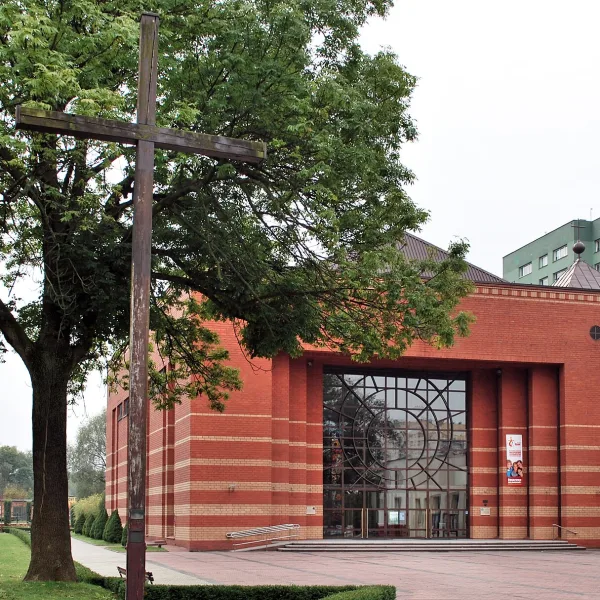
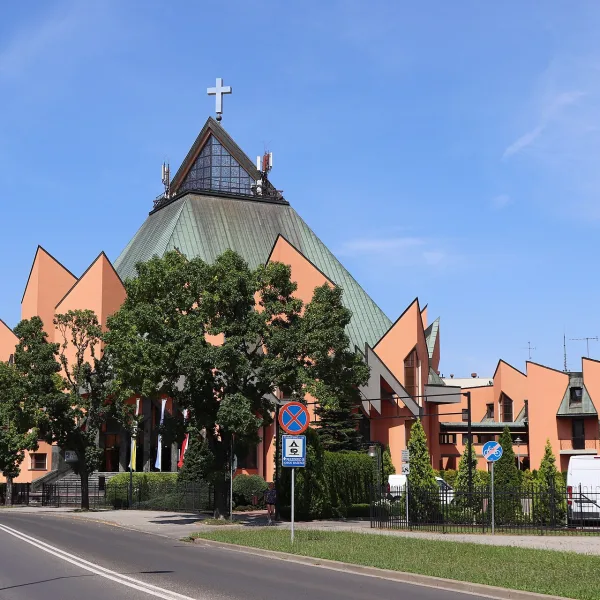
postmodern church of brick and concrete, designed by Witold Cęckiewicz in the 1990s
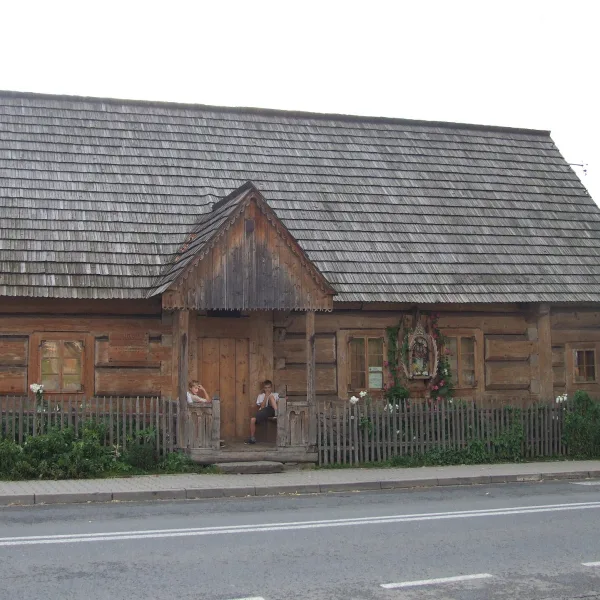
house from 1798 with an exhibition on the Chochołów uprising of 1846 and village life in the 19th century
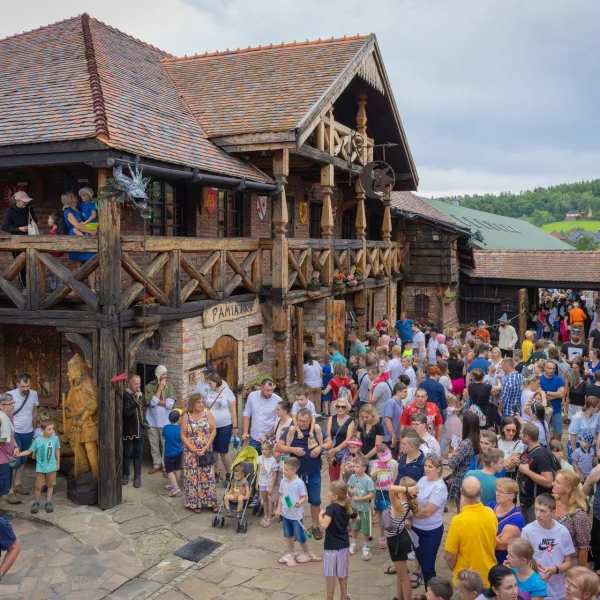
reconstruction of a medieval stronghold with a four-metre wall, two towers and tunnels
brick church with a foundation stone blessed by John Paul II in 1982
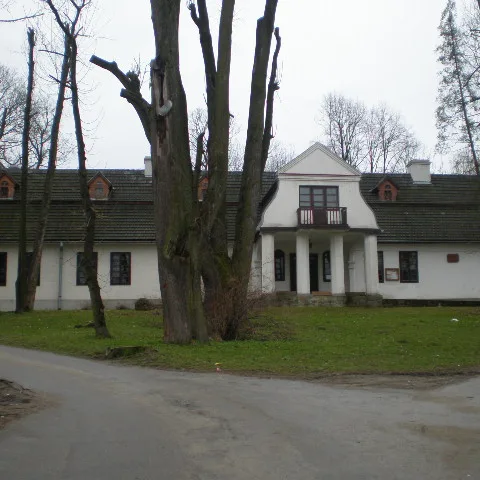
museum in a manor house from the turn of the 19th century: Lach ethnography, the history of Limanowa and painting