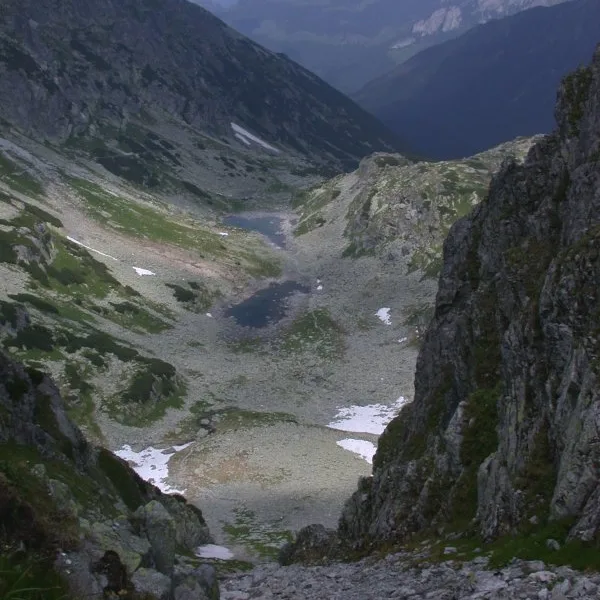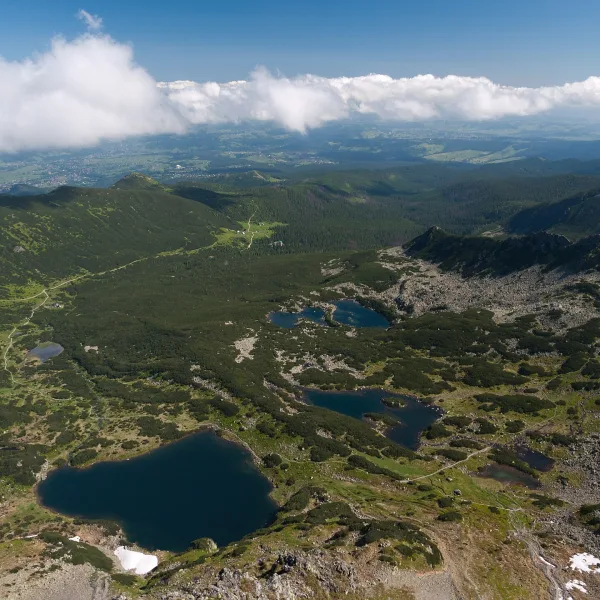
valley with 19 of the 21 ponds of the Gąsienicowa Valley, between Kasprowy Wierch and Świnica
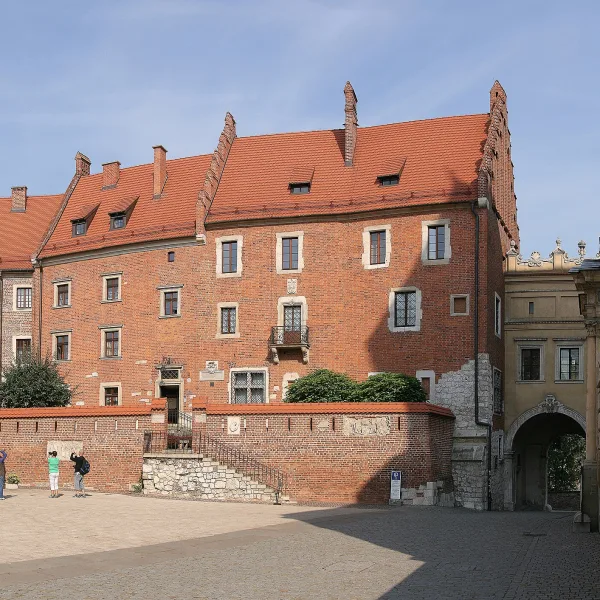
museum in the Cathedral House with regalia, the treasury and a room of mementoes of John Paul II
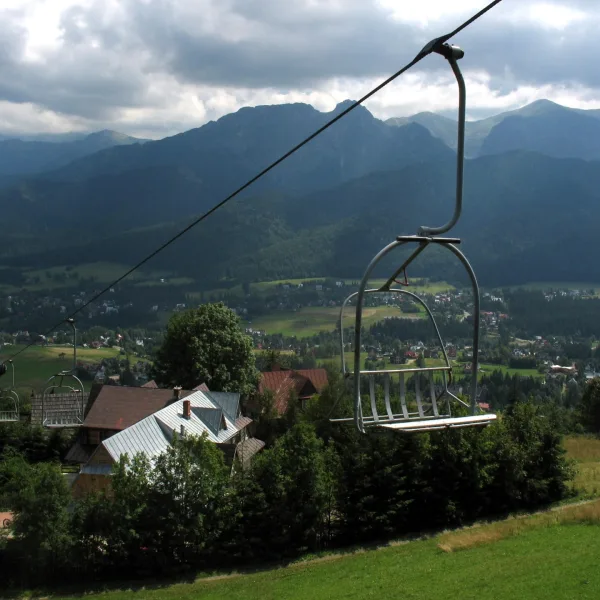
year-round chairlift from Kościelisko to Butorowy Wierch, with views of the Tatras
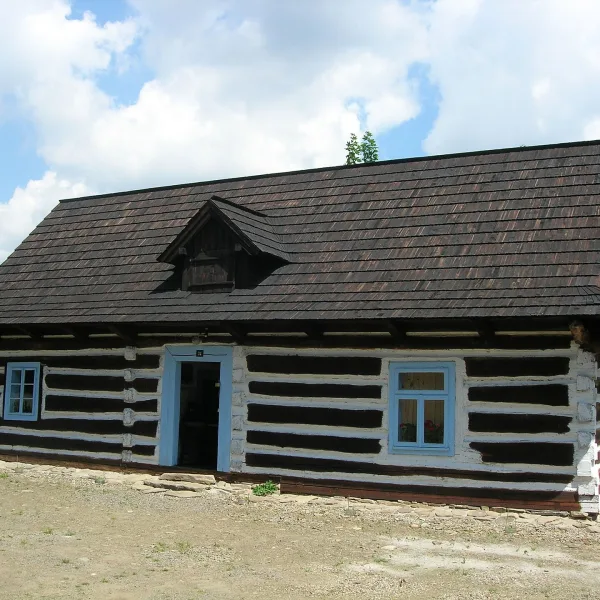
open-air museum about maziarstwo, the lubricant trade on which the Lemko village of Łosie lived
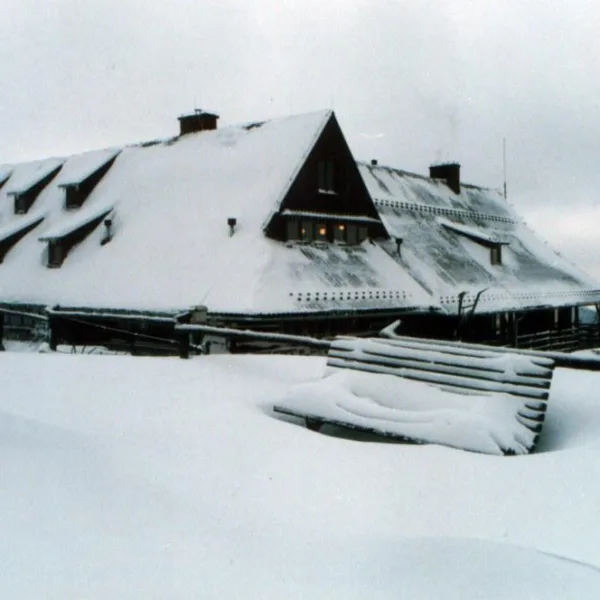
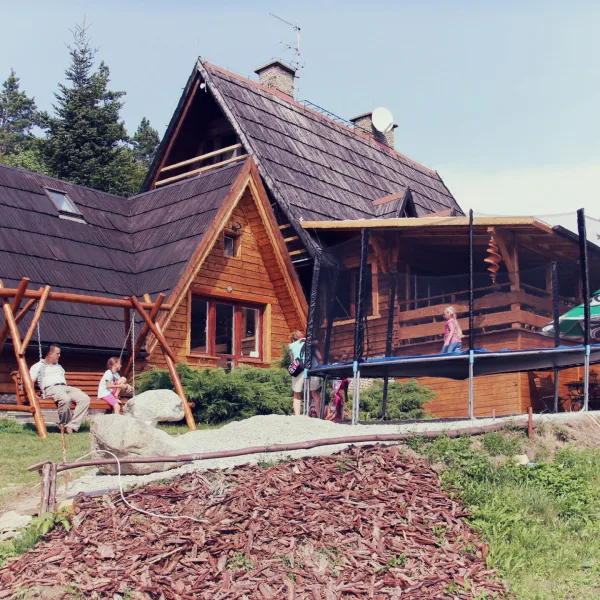
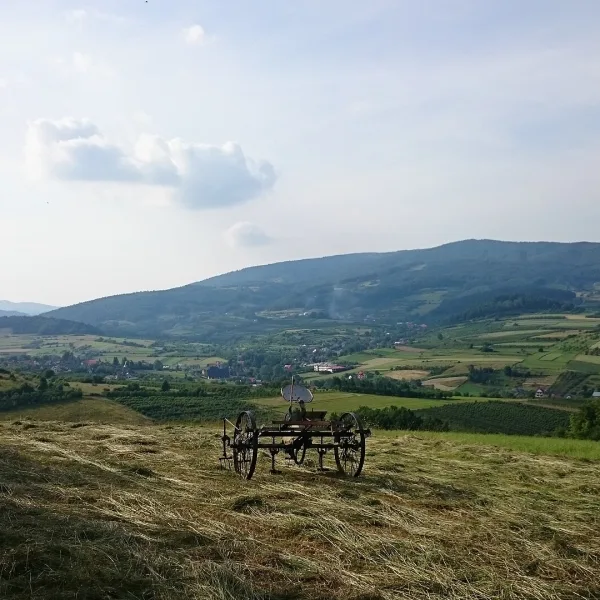
Gorce hut in a clearing at 968 m above sea level with a view of the Tatras and Babia Góra
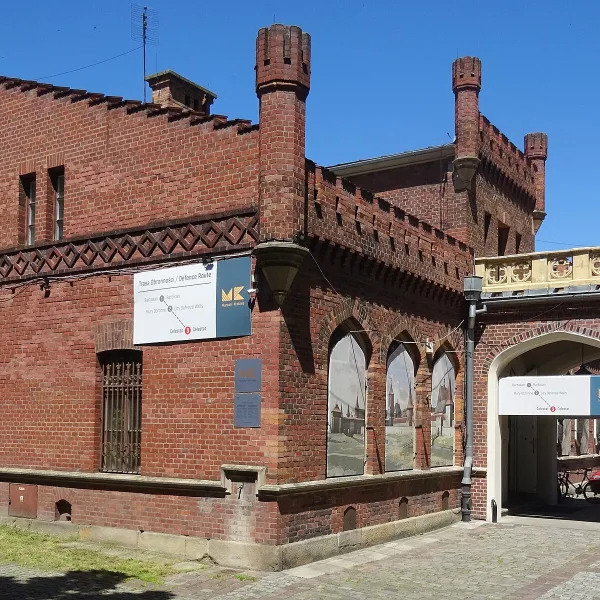
Neo-Gothic palace of the Fowler Brotherhood from 1837 with an exhibition on its history
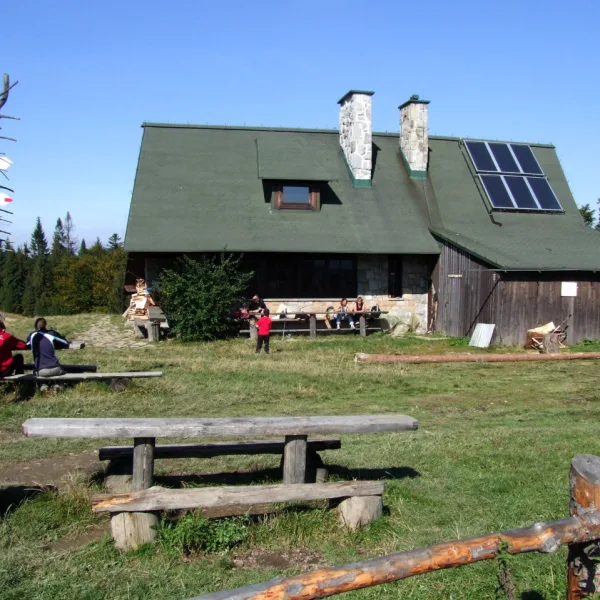
forest hut from 1985 in the Ciężkowice Foothills, with views of the Sącz Beskids and the Tatras
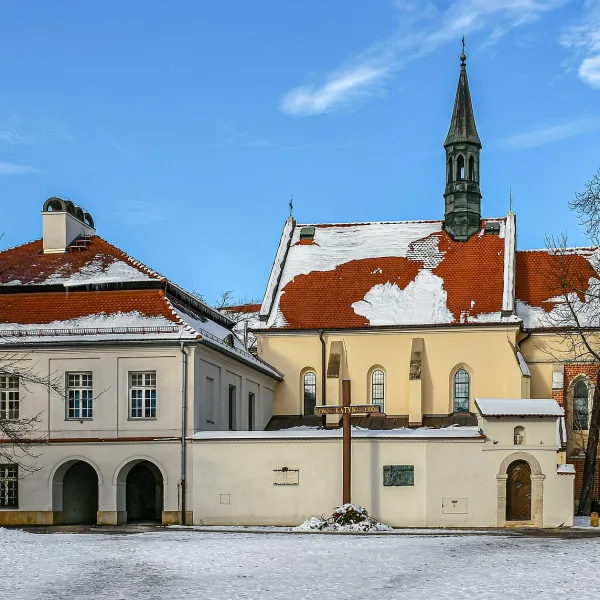
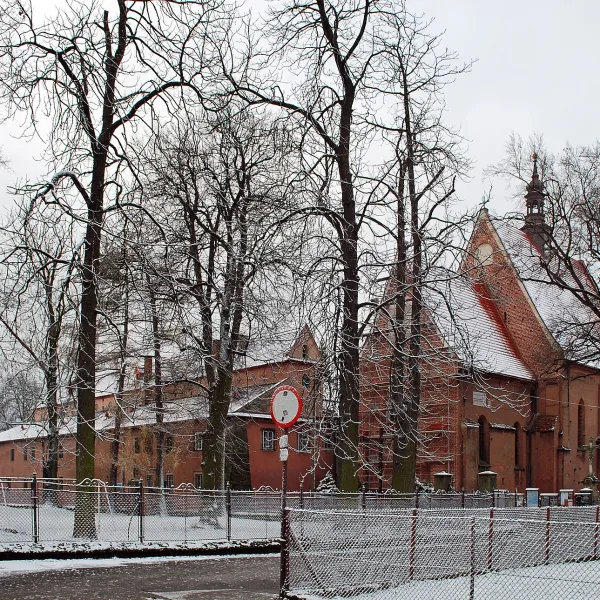
Gothic brick church at the foot of Wawel Hill, linked by tradition with Duke Władysław Herman
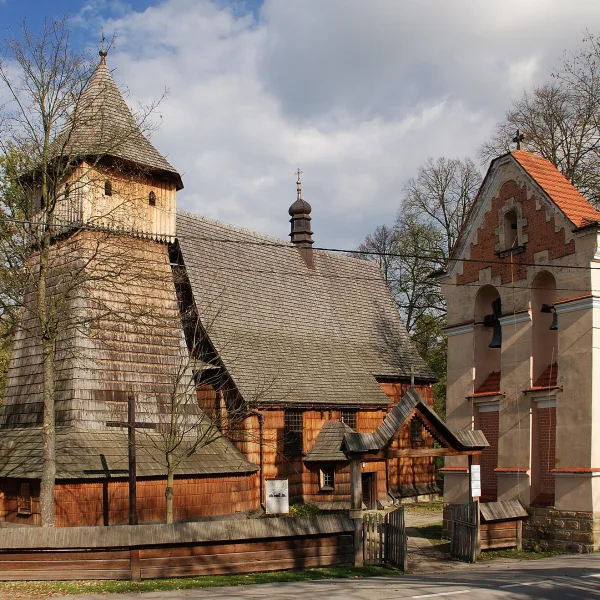
wooden church from about 1500 with late Gothic polychromes, on the UNESCO list
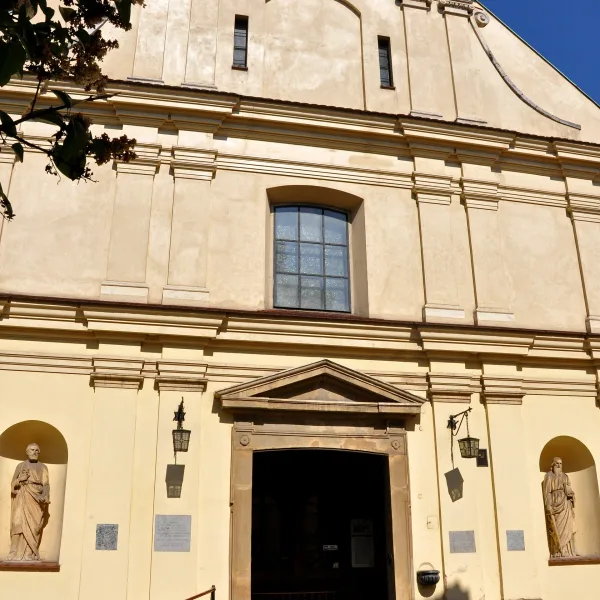
Romanesque origins, Baroque rebuilding, the shrine of Blessed Hanna Chrzanowska and a lantern of the dead
one of the highest summits of the Island Beskids, with a wooden observation tower
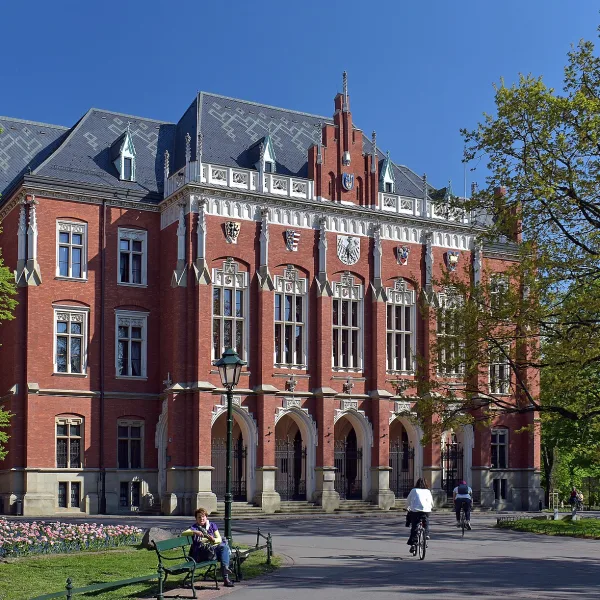
a neo-Gothic building from 1883-1887 with an assembly hall and a plaque about the arrest of professors in 1939
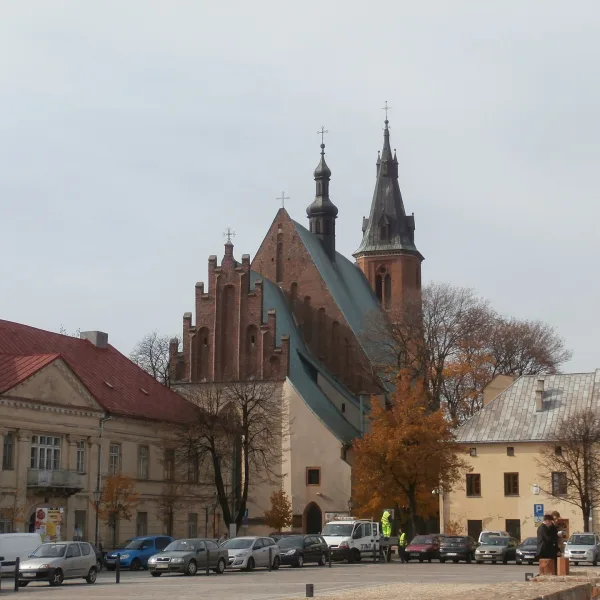
a Gothic parish church founded by Casimir the Great, with the Olkusz Polyptych and an organ from the 17th century
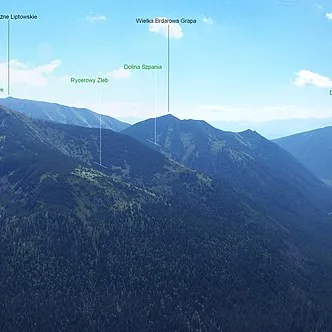
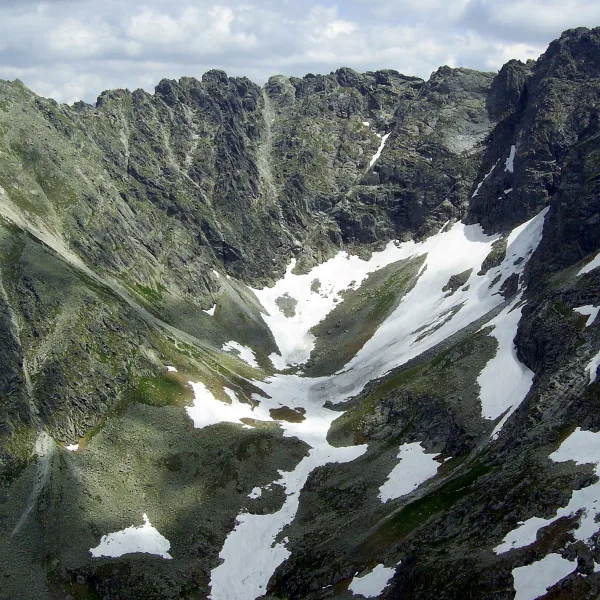
glacial valley above Morskie Oko with several tiers of ponds and trails to Szpiglasowa Pass
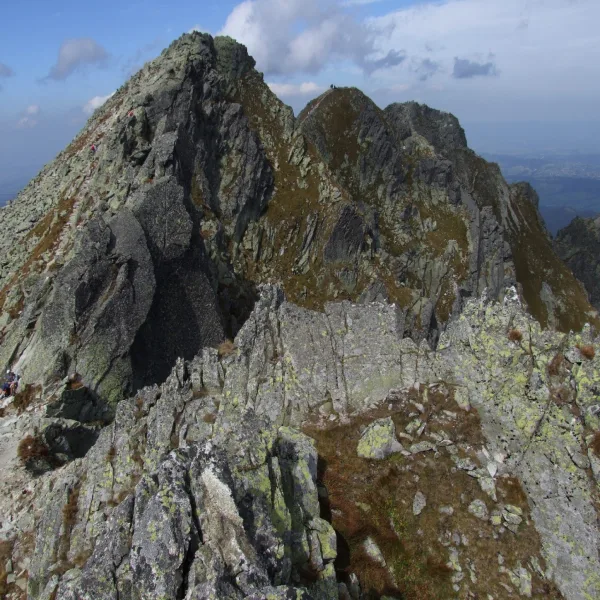
twin-peaked summit of 1,912 m in the ridge of the Western Tatras, made of granites and gneisses
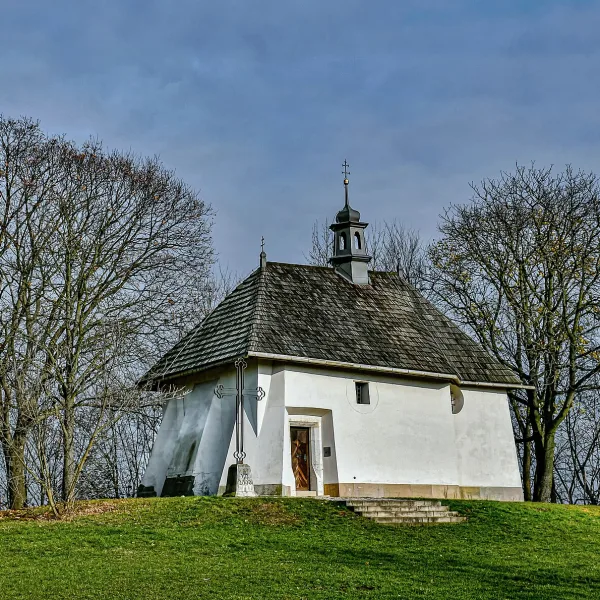
a Romanesque church, the smallest in Kraków, on the rocky ridge of the Krzemionki Podgórskie
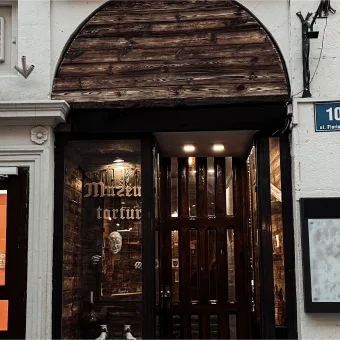
40 reconstructions of instruments of punishment and interrogation from old criminal law, right by Floriańska Street
a rock gateway at the mouth of the Kościeliska Valley, named after an activist of the Tatra Society
the oldest Polish convent of Benedictine nuns, with a Gothic hall church of the 13th century