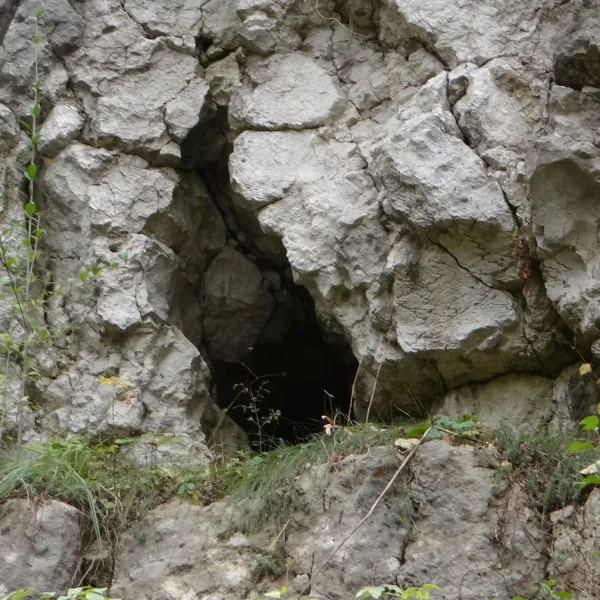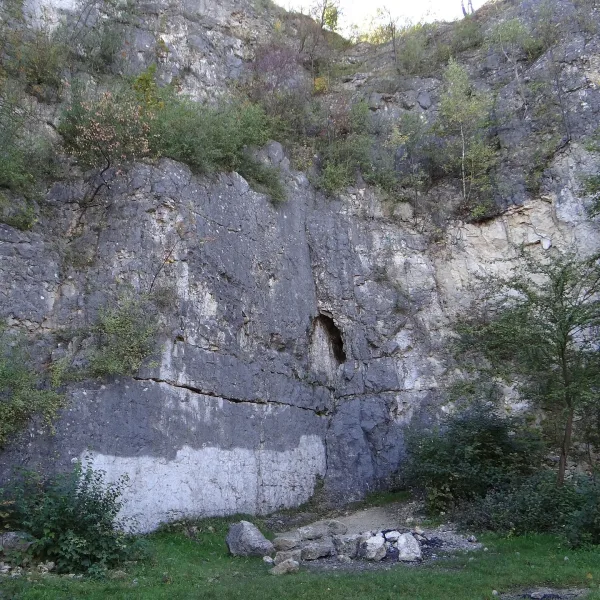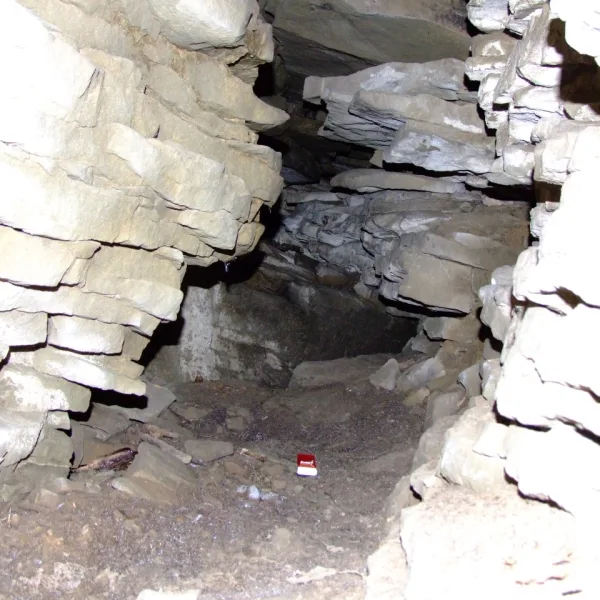
a 23-metre cave in the Kapelanka quarry, named after its discoverer
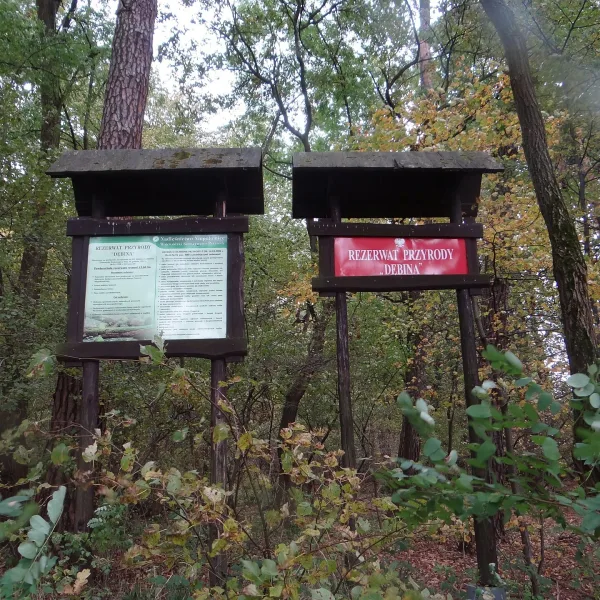
a strict forest reserve with old-growth oak stands on the edge of the Niepołomice Forest
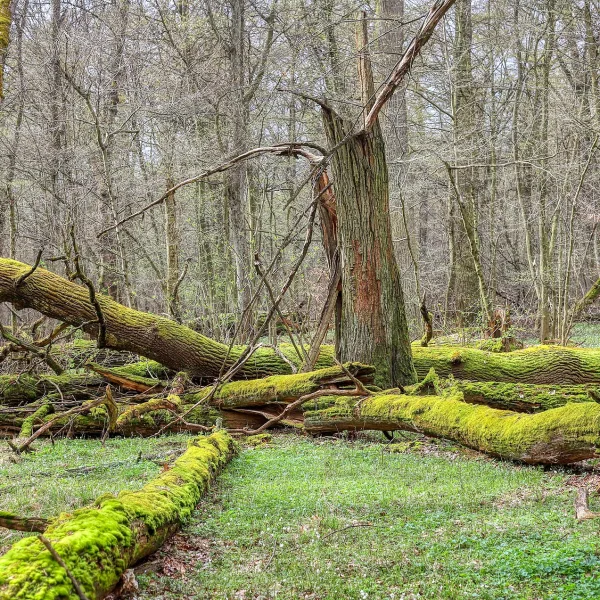
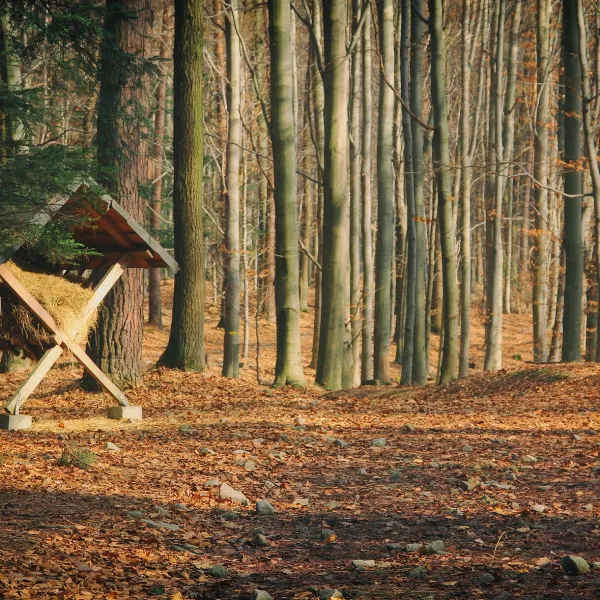
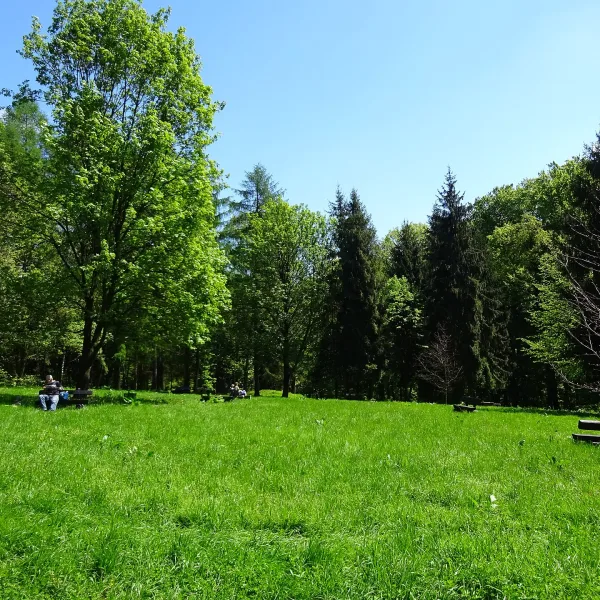
an old-growth hornbeam woodland reserve in the Niepołomice Forest, established in 1957
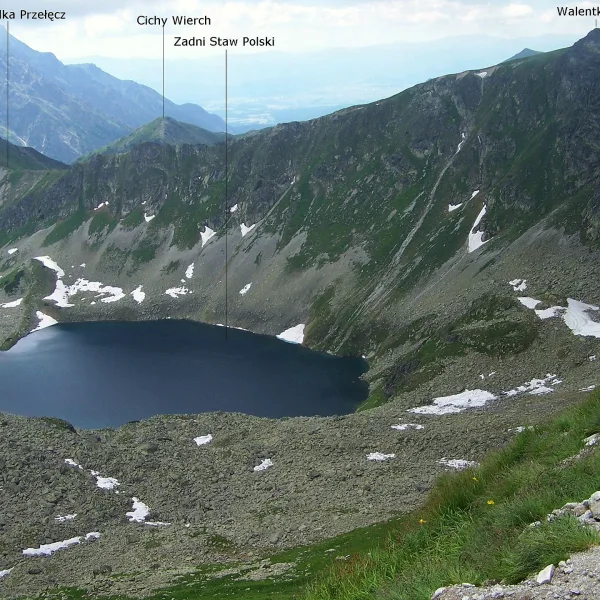
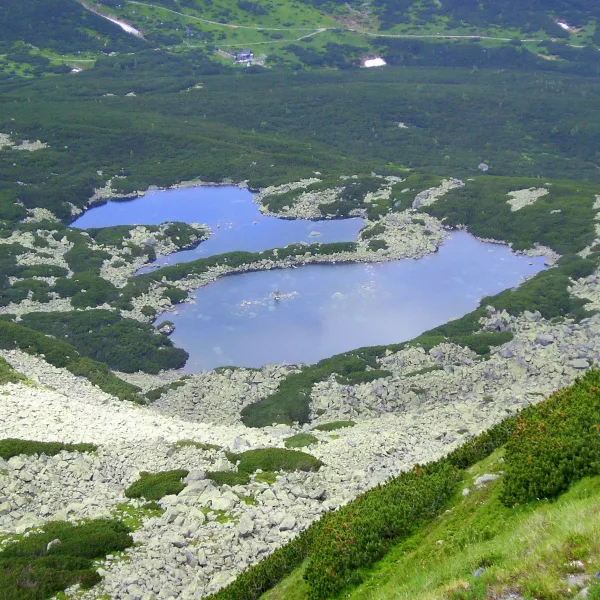
the second-highest lake in Poland, in the upper tier of the Valley of the Five Polish Ponds
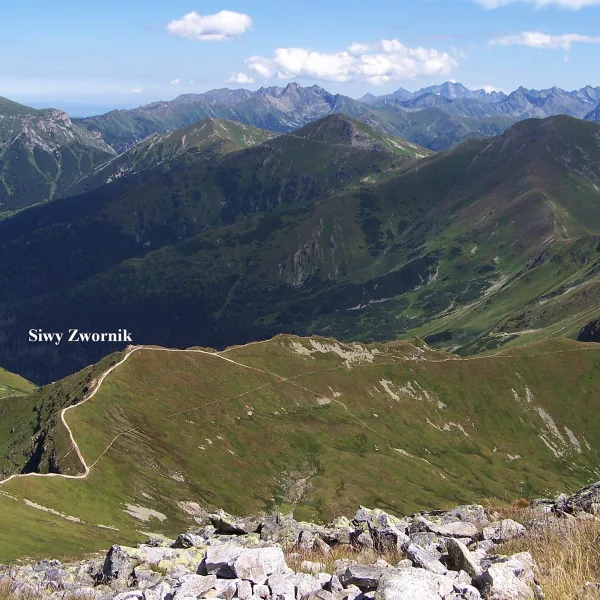
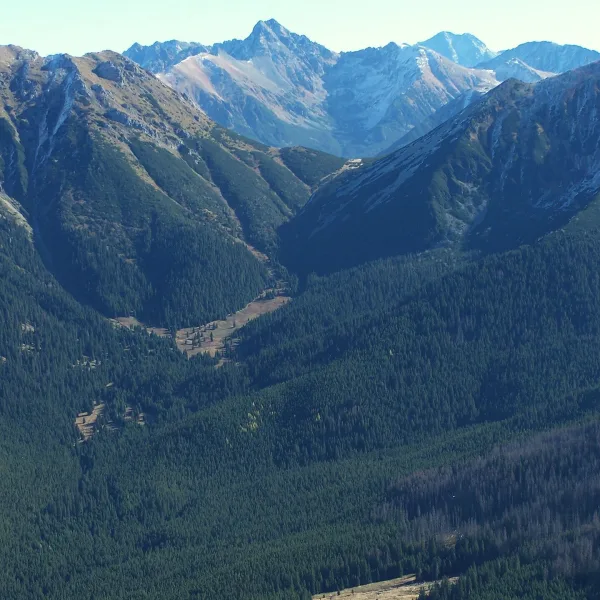
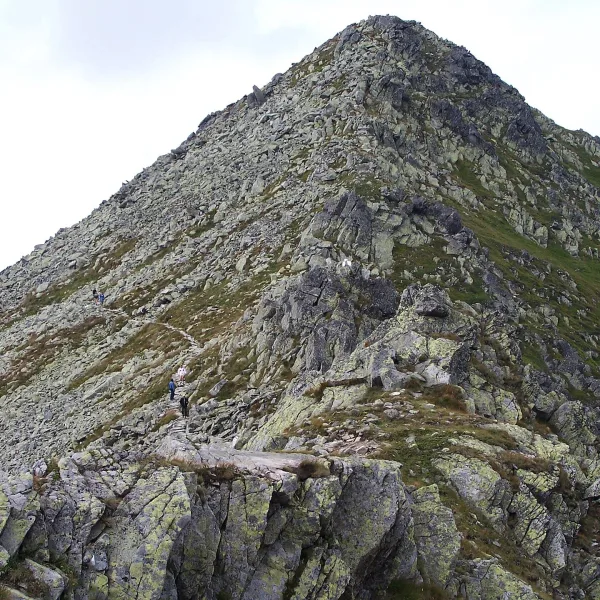
a junction peak in the Western Tatras ridge, above three valleys, on the border with Slovakia
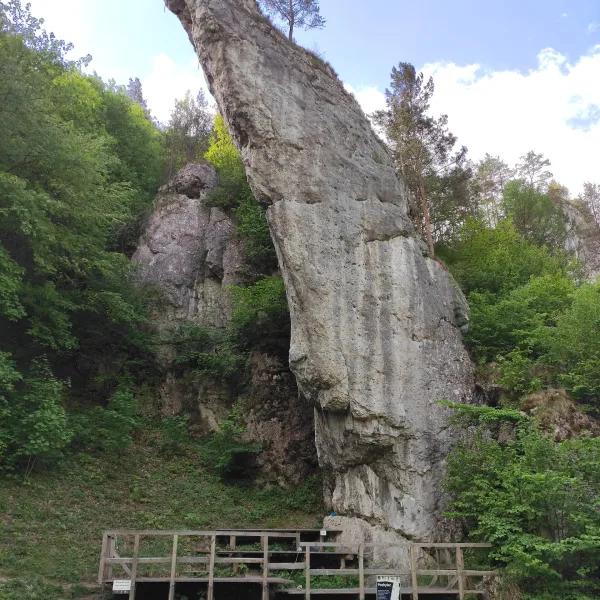
a vertical rock in the Kościeliska Valley with old walkers' signatures and a spring of water
the upper part of the Kościeliska Valley below Tomanowa Pass, former pastoral meadows and dinosaur tracks
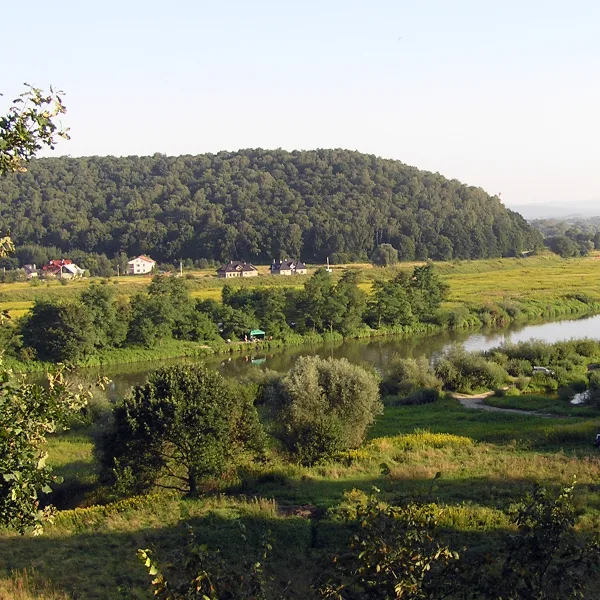
a hill above the Vistula gorge with traces of a hillfort from the Lusatian culture period
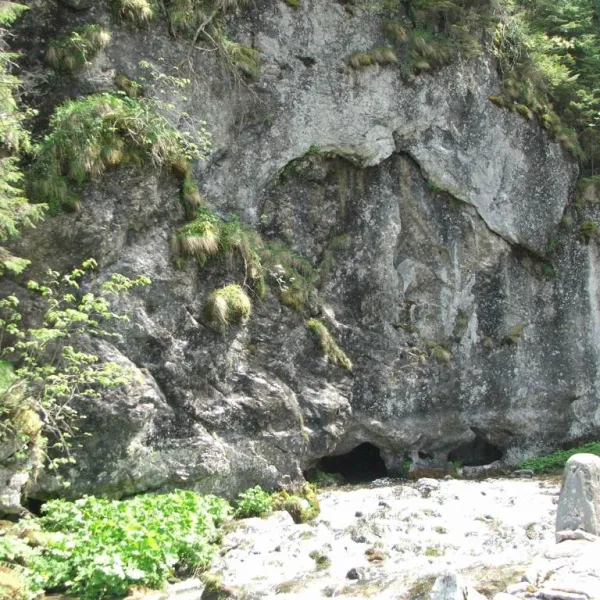
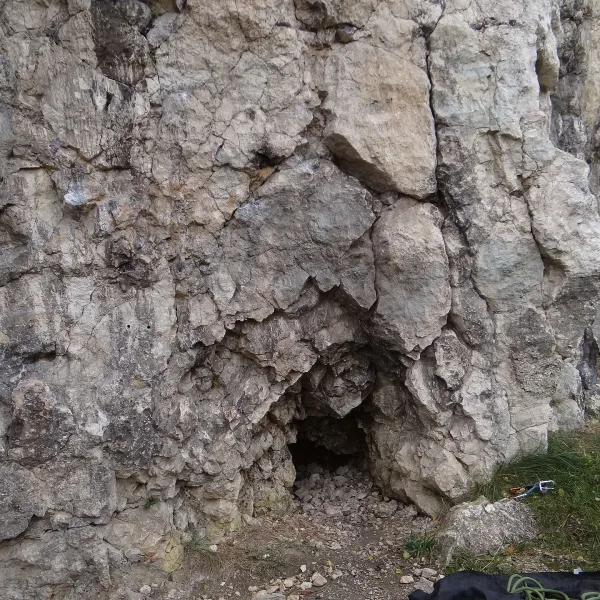
a 7-metre phreatic cave in the wall of the Kapelanka quarry, reached by climbing
a forest floristic reserve on the Kisielina, protecting a site of the Spiš crocus
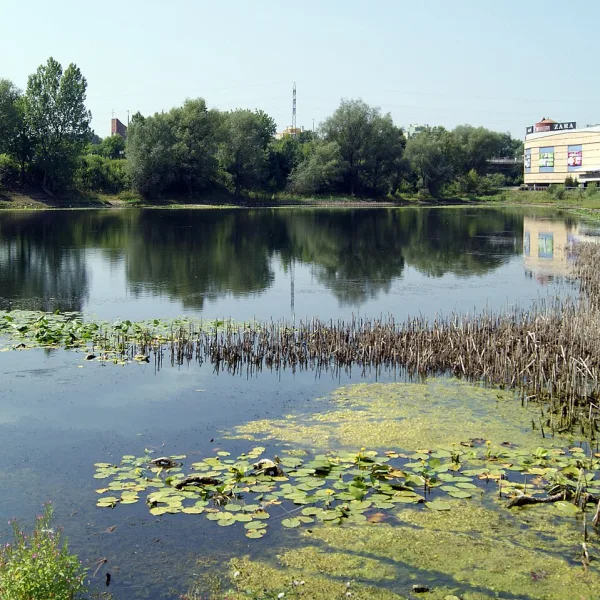
a former clay pit in Dąbie, an ecological site with bitterling and yellow water-lily
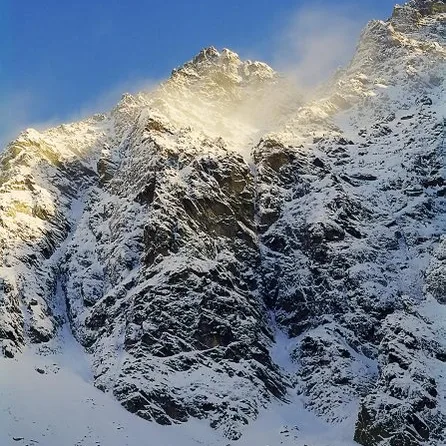
the second peak from the west in the High Tatras (2,128 m), between Skrajna Turnia and Świnica
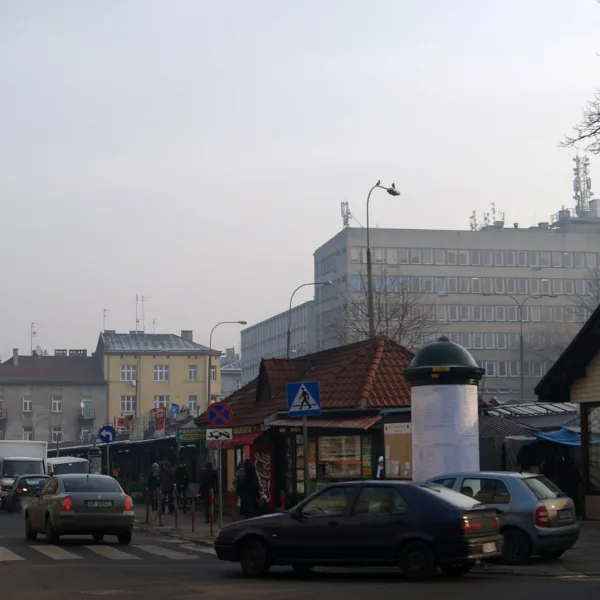
market square in Zwierzyniec, named after the filled-in ponds of the Norbertine sisters
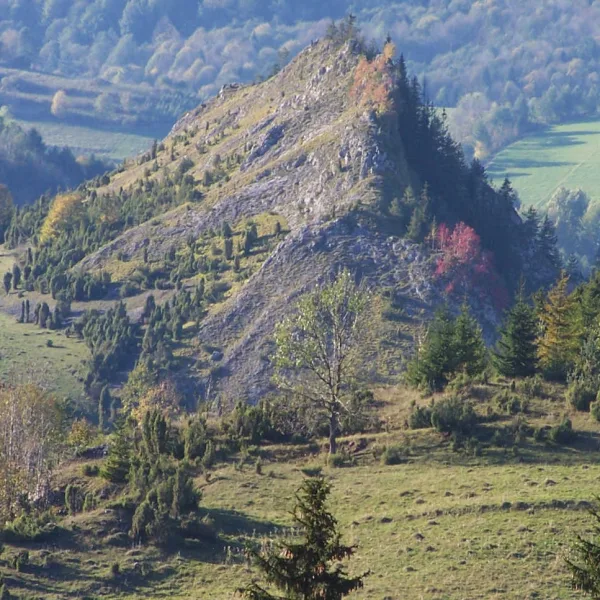
landscape reserve in the Little Pieniny with rocks above the Biała Woda stream
forest reserve in the Wieliczka Foothills with beech forest, oak-hornbeam forest and fir in the stand
western part of Dwoisty Staw in a strict reserve, with no marked trail
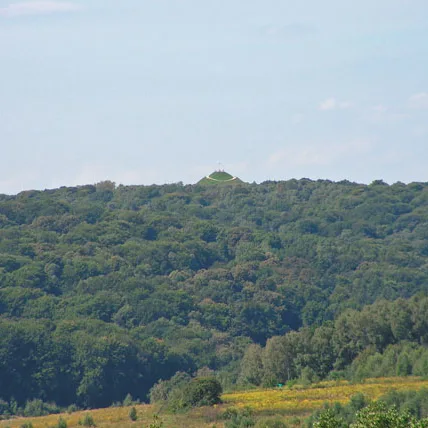
the highest natural hill in Kraków, with a glade and the Piłsudski Mound at the summit
highest peak of the Barnasiówka Range in the Wieliczka Foothills, locally called Dalin
southern peak of the Szczebel massif in the Island Beskids, on the border of two counties
the second highest hill in Kraków after Sowiniec, with a glade frequented by Jacek Malczewski
treacherous gully in the Granaty face, ending in a vertical chimney above Czarny Staw