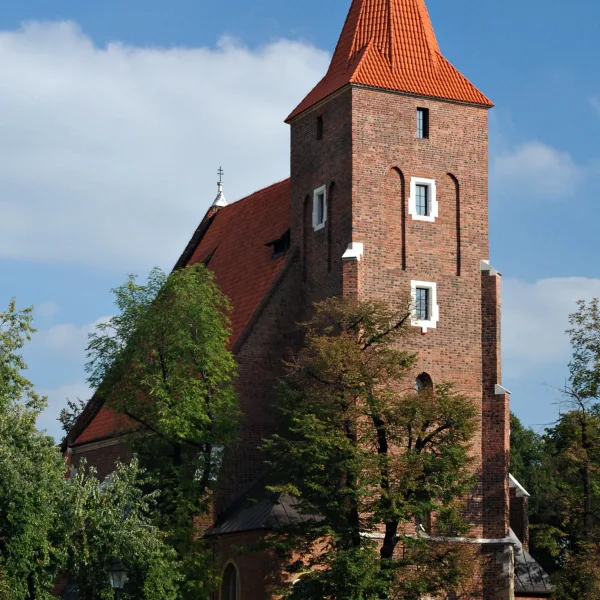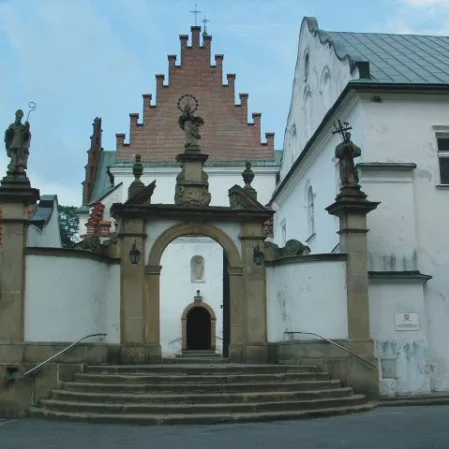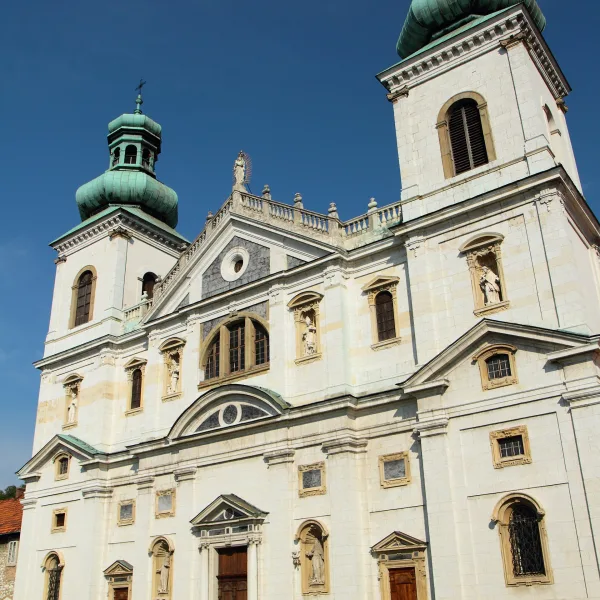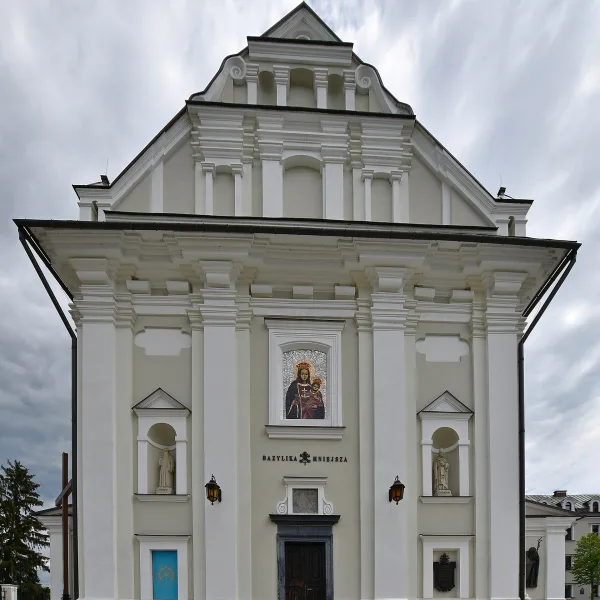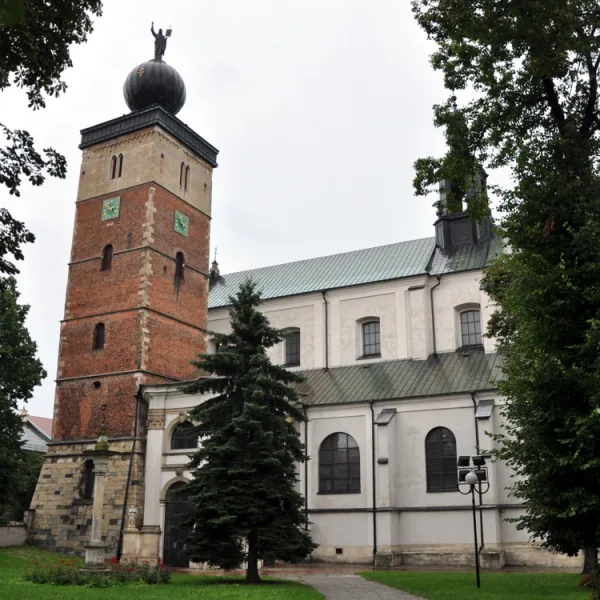
Gothic and Baroque basilica of the Holy Sepulchre canons with a Holy Sepulchre chapel and the title of minor basilica
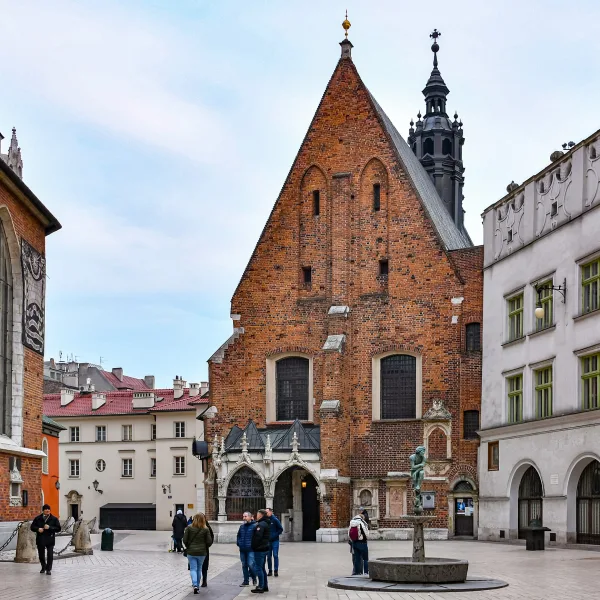
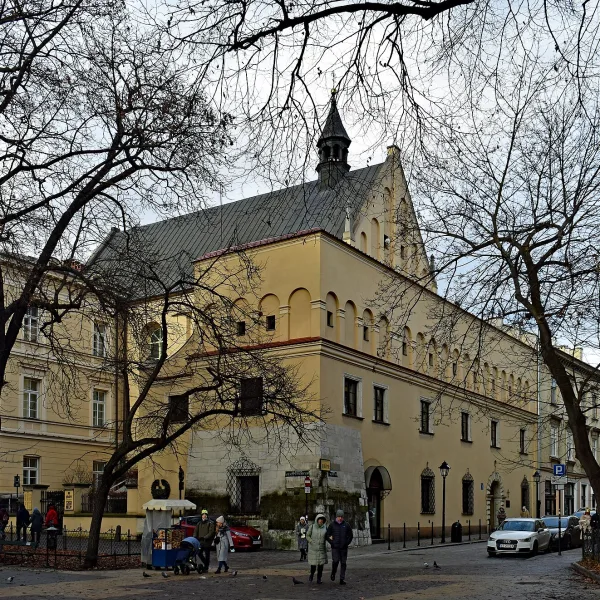
a Gothic Jesuit church on Mariacki Square with the Ogrojec chapel and a Baroque interior
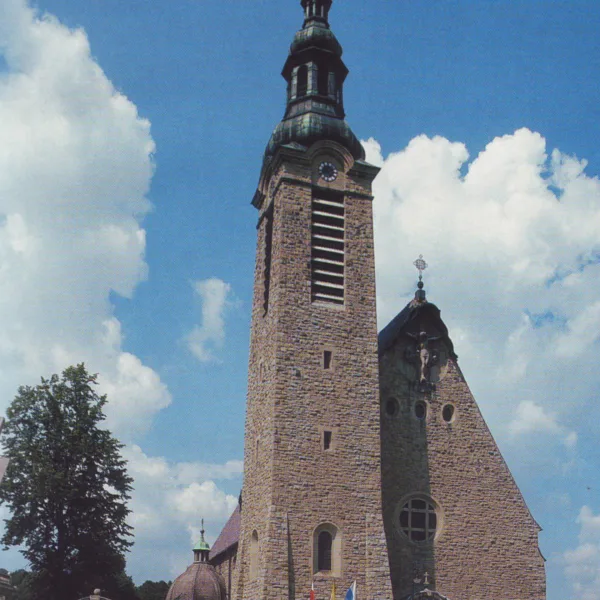
a Young Poland Jesuit church with a 68-metre tower, a chancel mosaic and Bukowski's polychromy
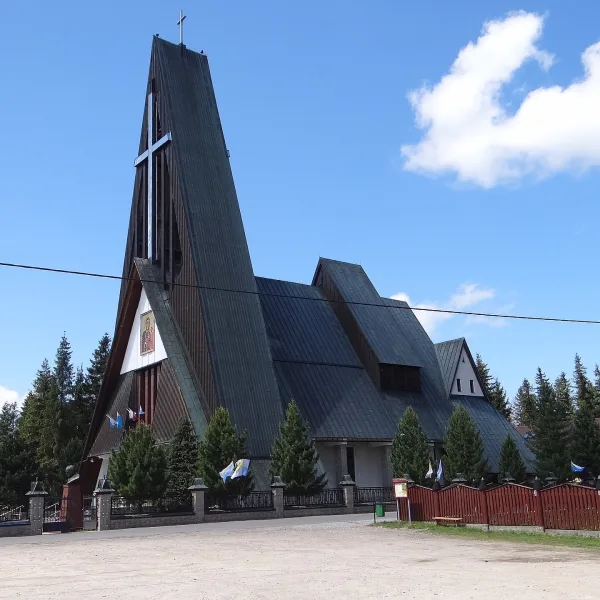
a Nowa Huta church in the shape of an ark from 1977, built after the defence of the cross in 1960
an early Baroque Bernardine basilica in Stradom with a Dance of Death and a Mehoffer stained-glass window
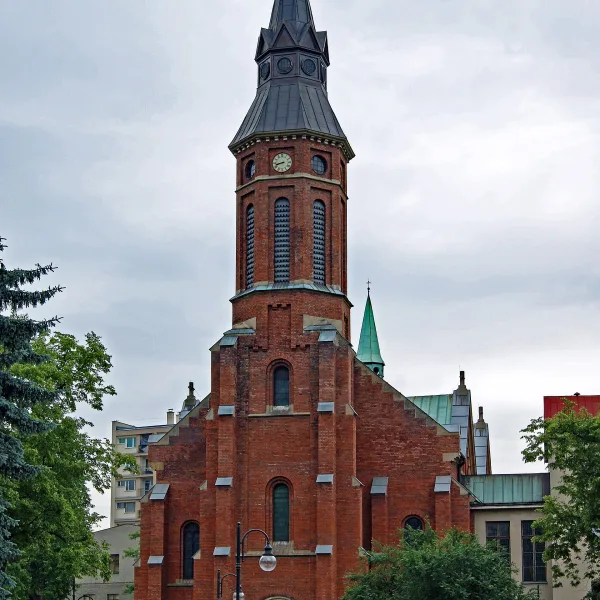
an Art Nouveau church with a 60-metre tower and a 14th-century statue of Our Lady of Sorrows
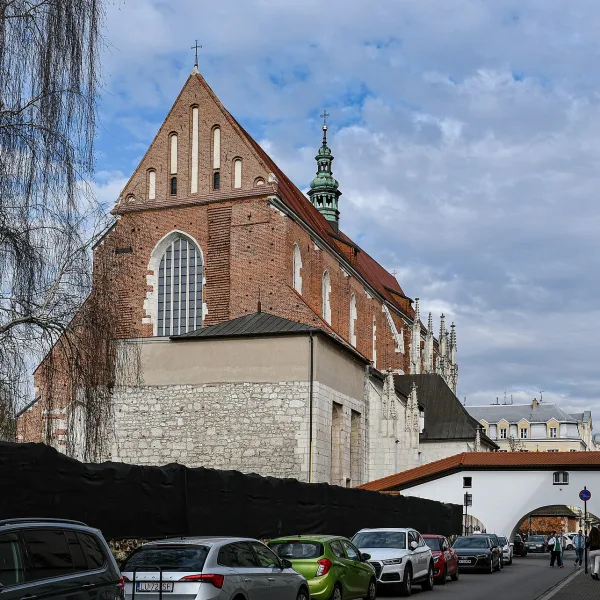
a Gothic Augustinian church founded by Casimir the Great, with a tomb from Gucci's workshop
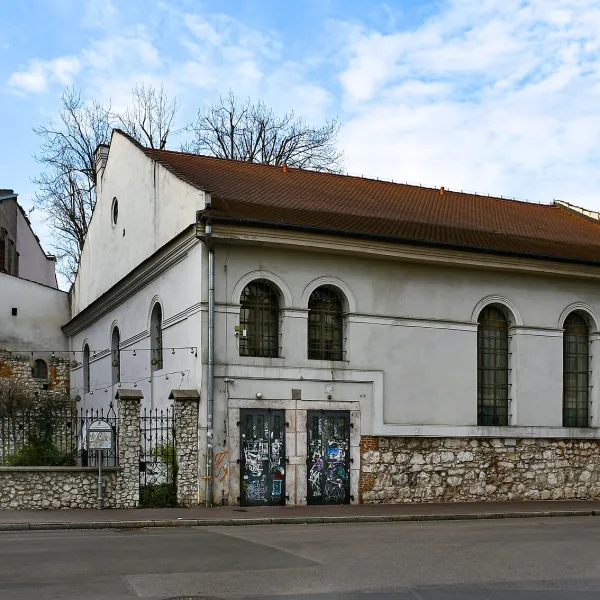
a Baroque synagogue built in 1635-1643, with a ceiling from 1925 and a zodiac cycle
a Gothic church of the Order of the Holy Spirit with a vault resting on one pillar and a Renaissance confessional
the only continuously operating Cistercian monastery in Poland, founded in 1234
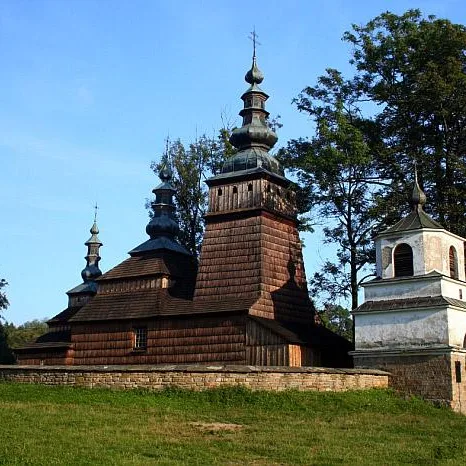
a Lemko tserkva from 1653 with an 18th-century iconostasis, inscribed on the UNESCO list in 2013
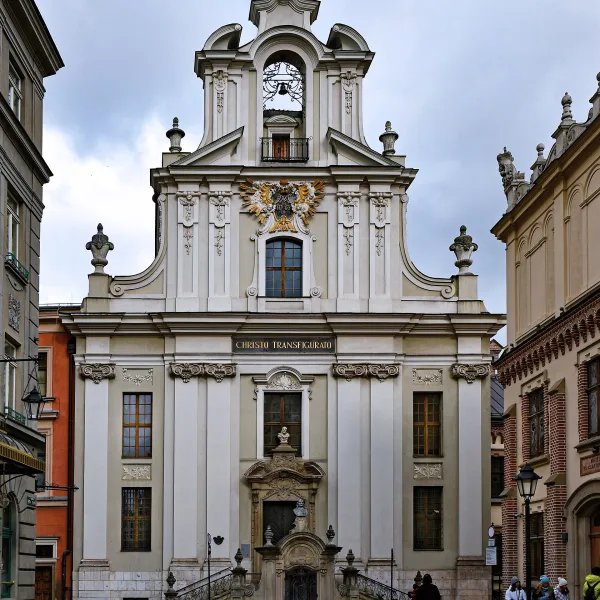
a Rococo Piarist church with a façade by Placidi and illusionistic polychromes from 1733
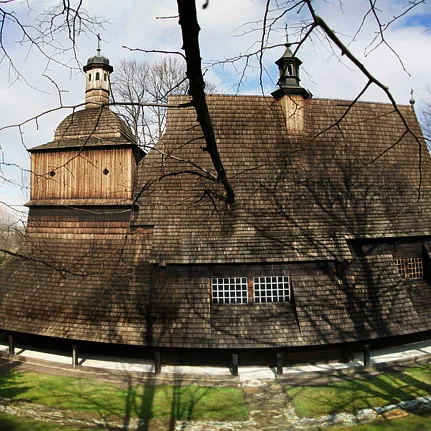
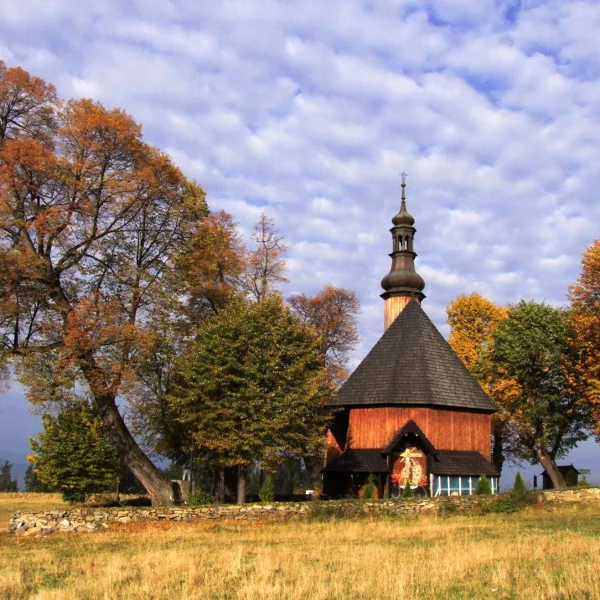
a wooden Gothic church from the early 16th century, inscribed on the UNESCO list in 2003
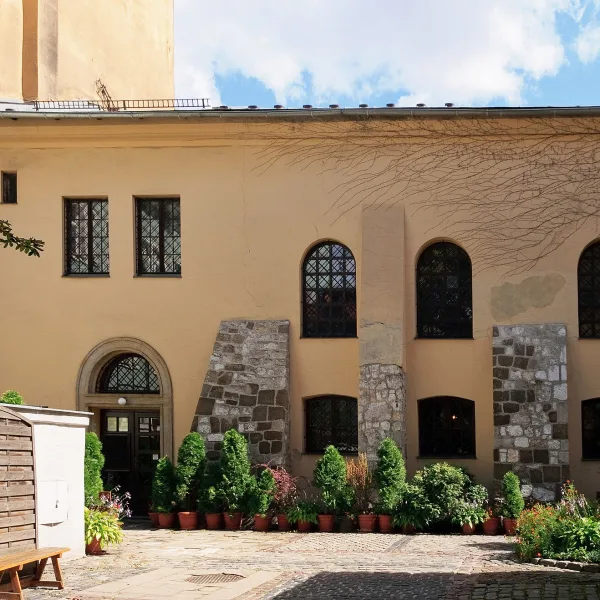
a synagogue from 1620 in Kazimierz, rebuilt after the war, today with a bookshop
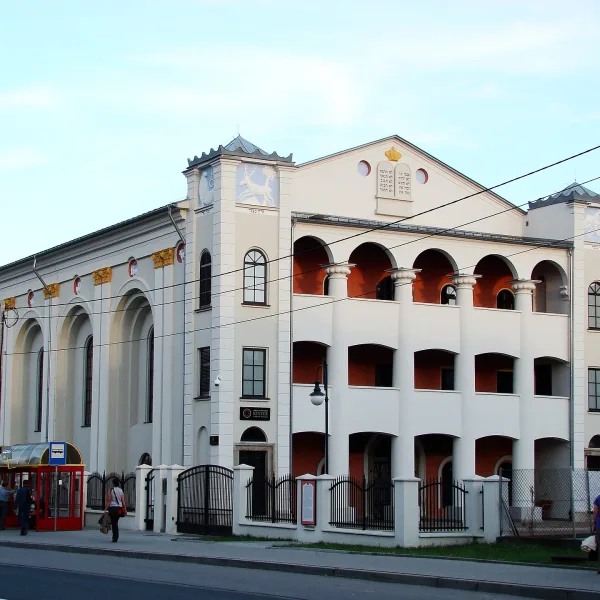
the largest surviving synagogue in Lesser Poland, with rich polychromes inside
Baroque church and Camaldolese hermitage on Srebrna Góra in Wolski Forest, with three towers
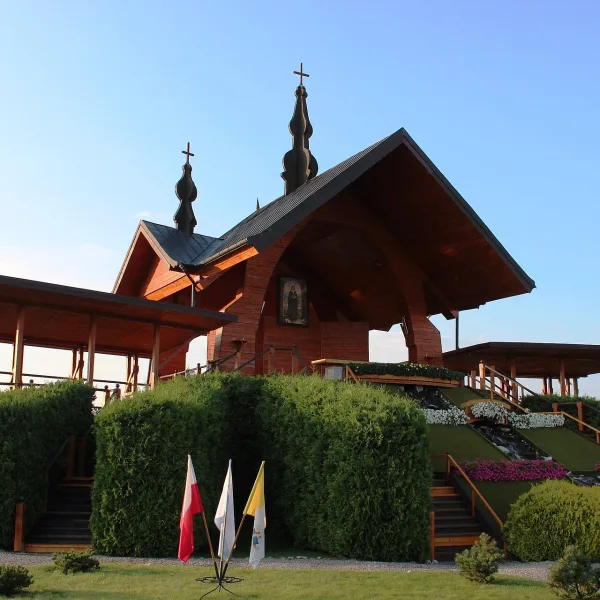
wooden altar structure of 1999 with a John Paul II memorial room and granite columns
Baroque basilica with the image of Our Lady of Tuchów and an indulgence festival in July
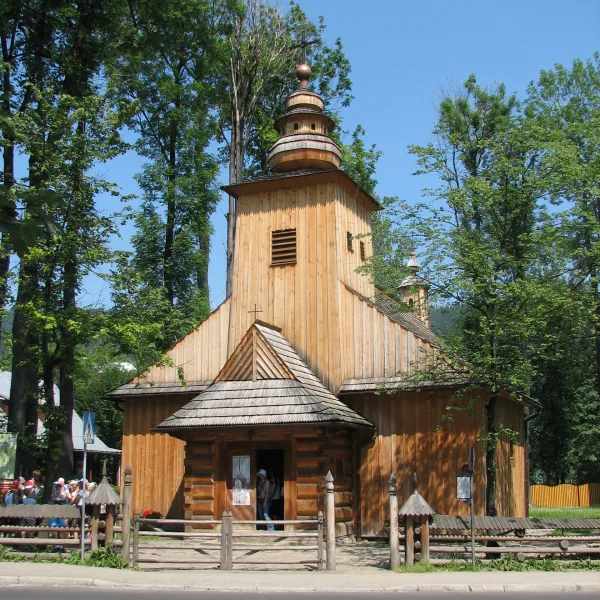
larch “old little church” of 1847 by the Cemetery of the Meritorious
wooden church of 1757 with soboty and polychromes from the early 20th century
Baroque Norbertine church of the 17th century, a Greek Catholic tserkva since 1808
Pauline shrine on Bachledówka hill, where Cardinal Wyszyński held retreats
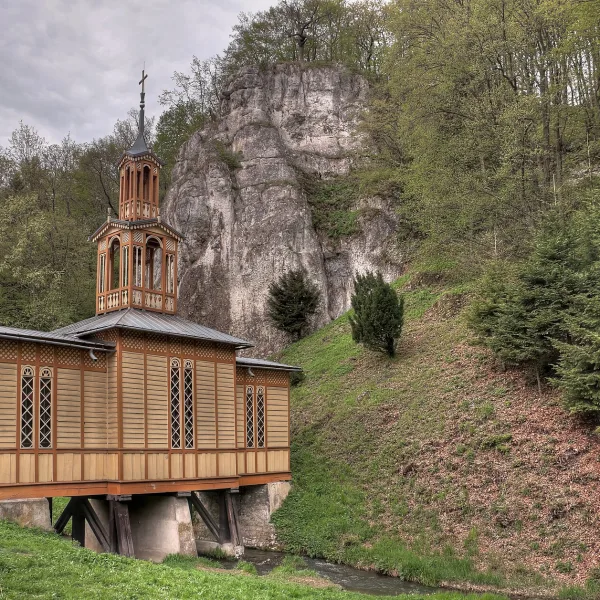
wooden chapel from 1901 built astride the Prądnik stream
brick church of the Vincentians from 1892-1894, Neo-Romanesque and Neo-Gothic, with an organ by Rieger